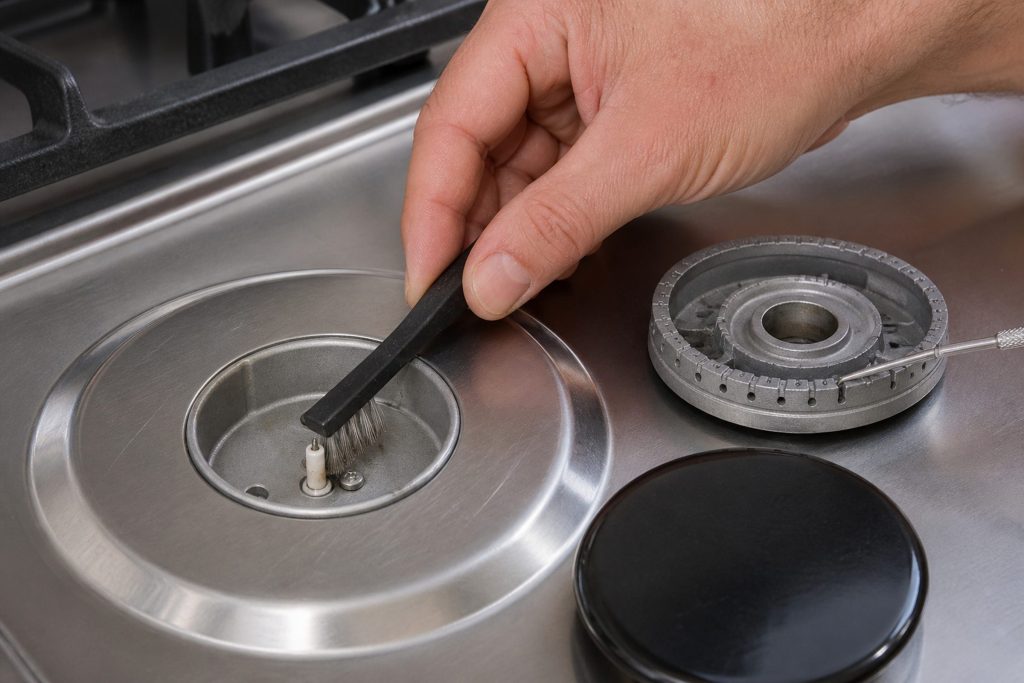
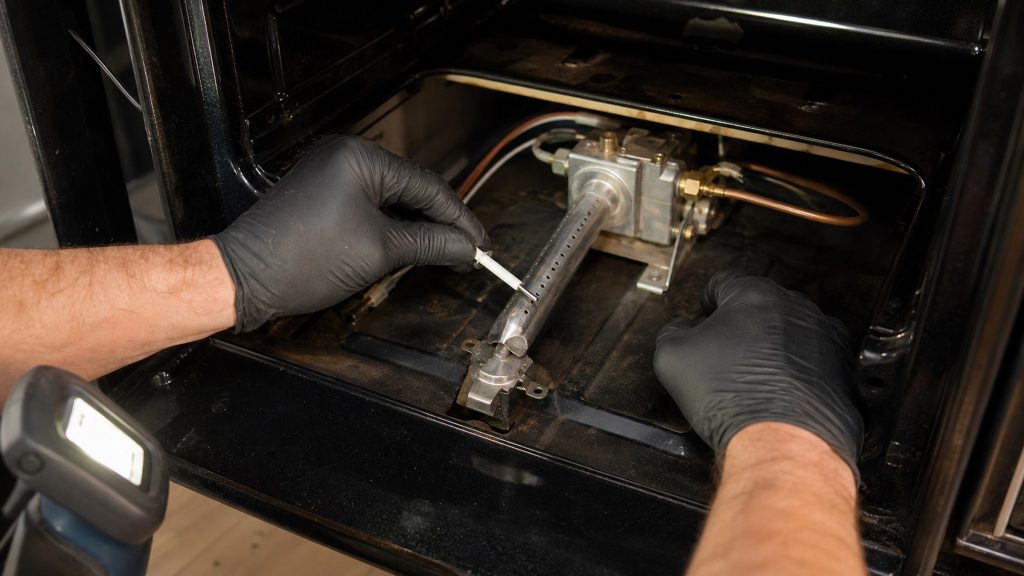
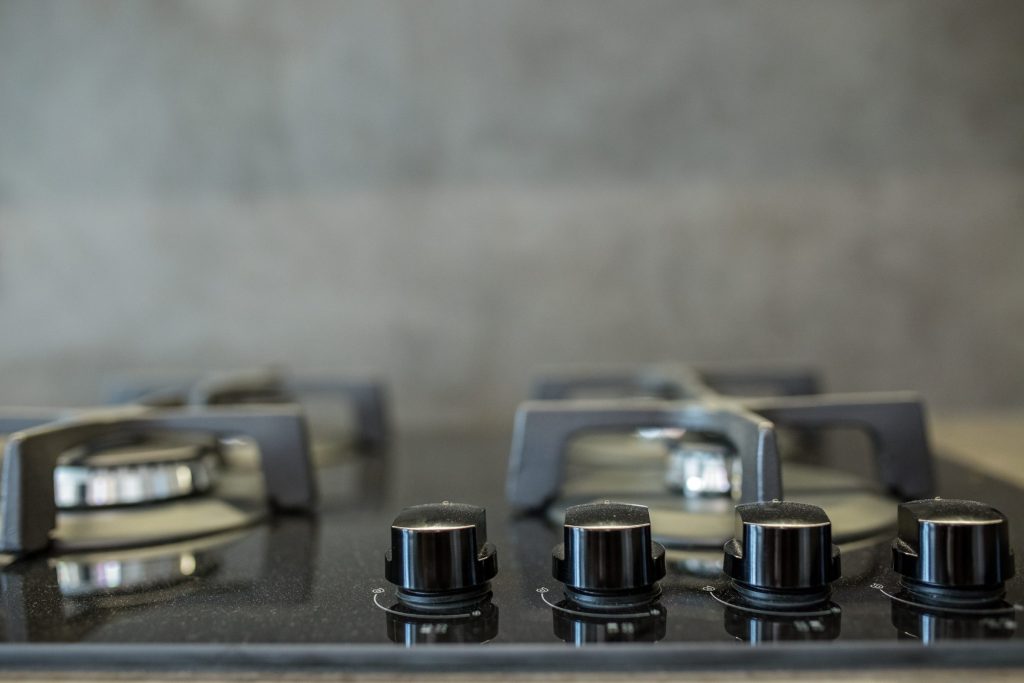
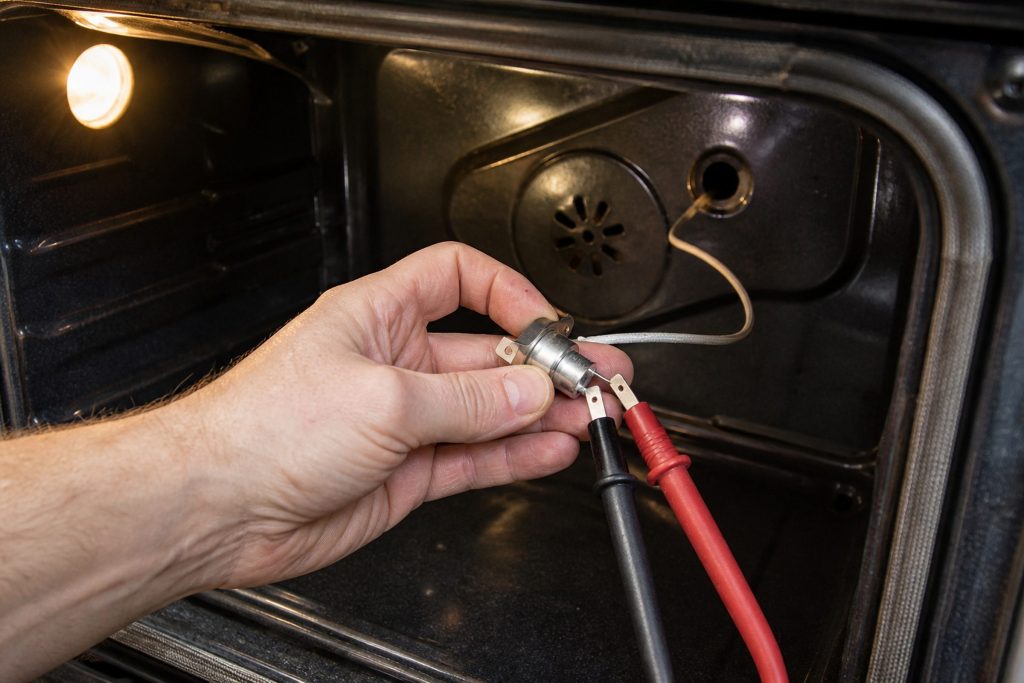
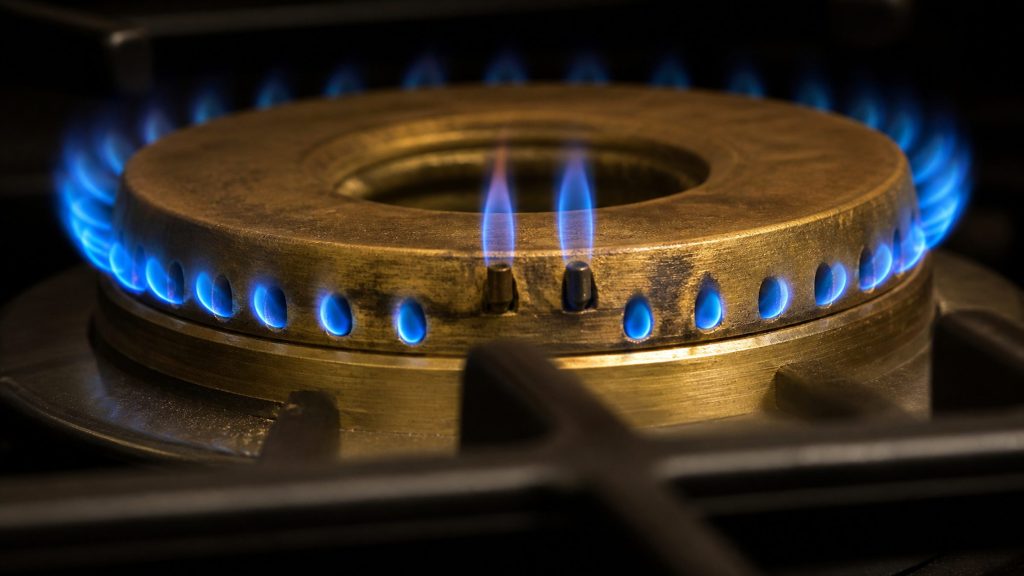
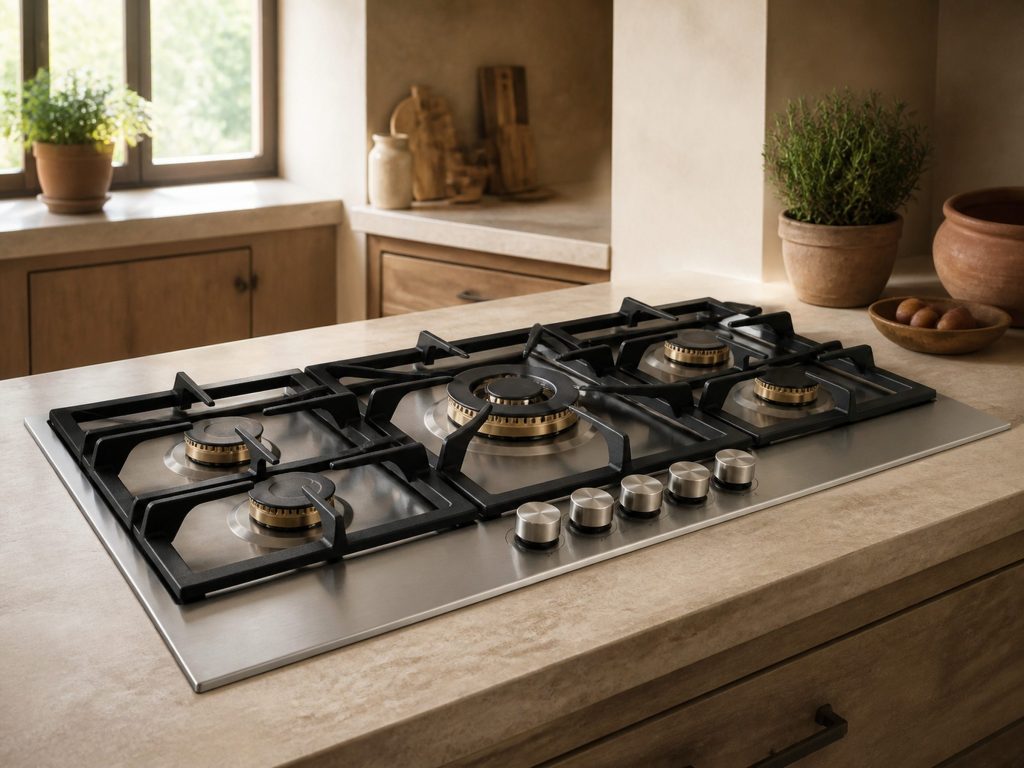
This maker is known for gas, and that single fact runs through every job on this page. Thirty-two of the cooking appliances in the current catalog burn gas against twenty-eight that induce, and a gas problem is nearly always a cheap component and a careful hour: an ignitor, a burner cap sitting proud, a blocked port, a valve, a thermocouple. Several rows here are set at the low end of the market band for exactly that reason, because the commonest version of the call ends with a burner cleaned properly rather than a part fitted.
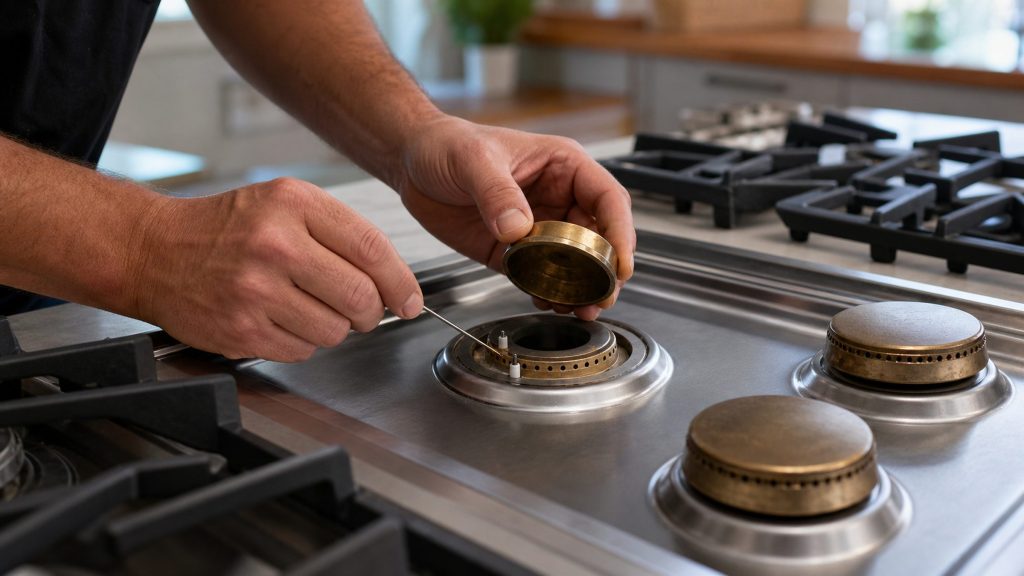
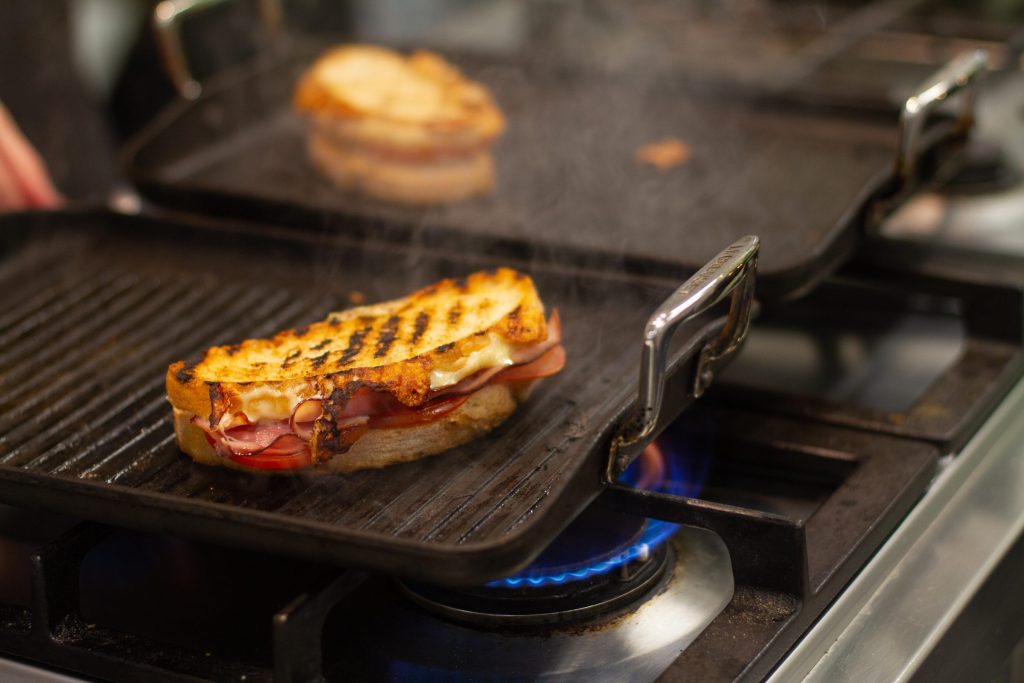
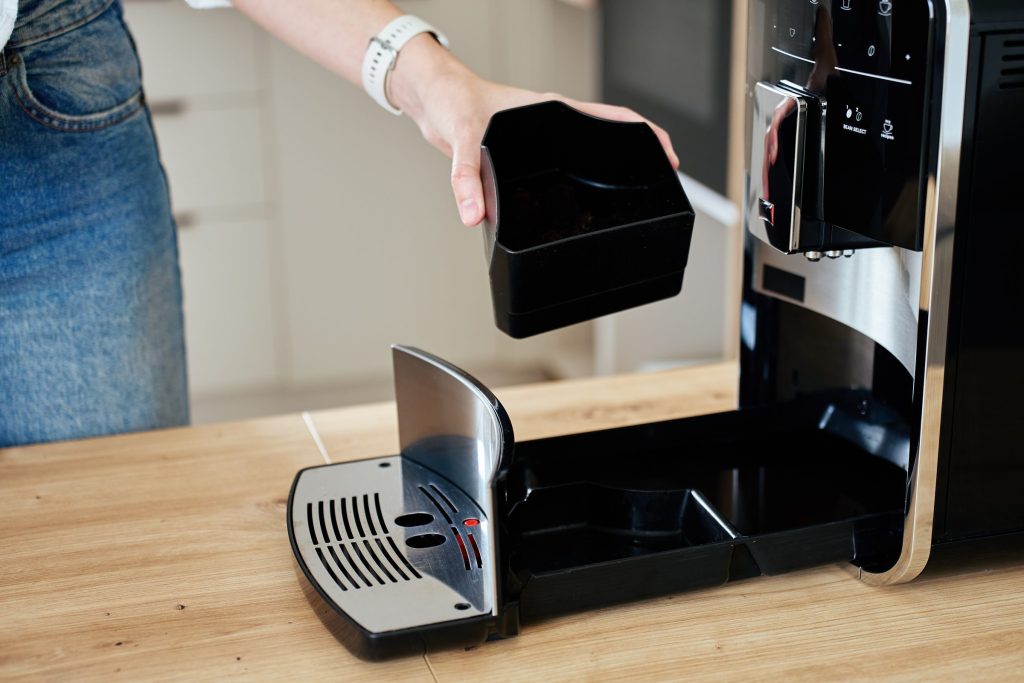
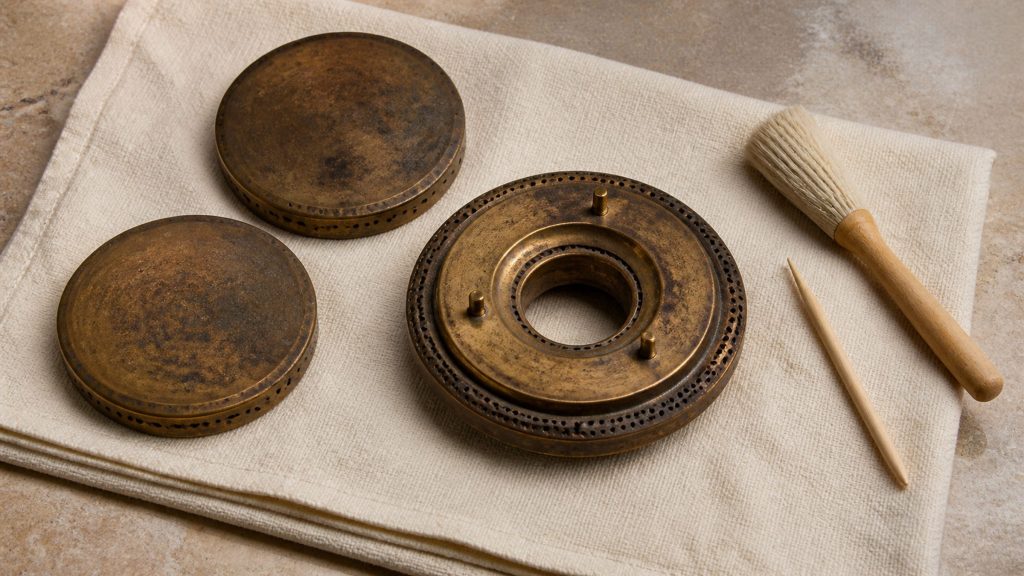
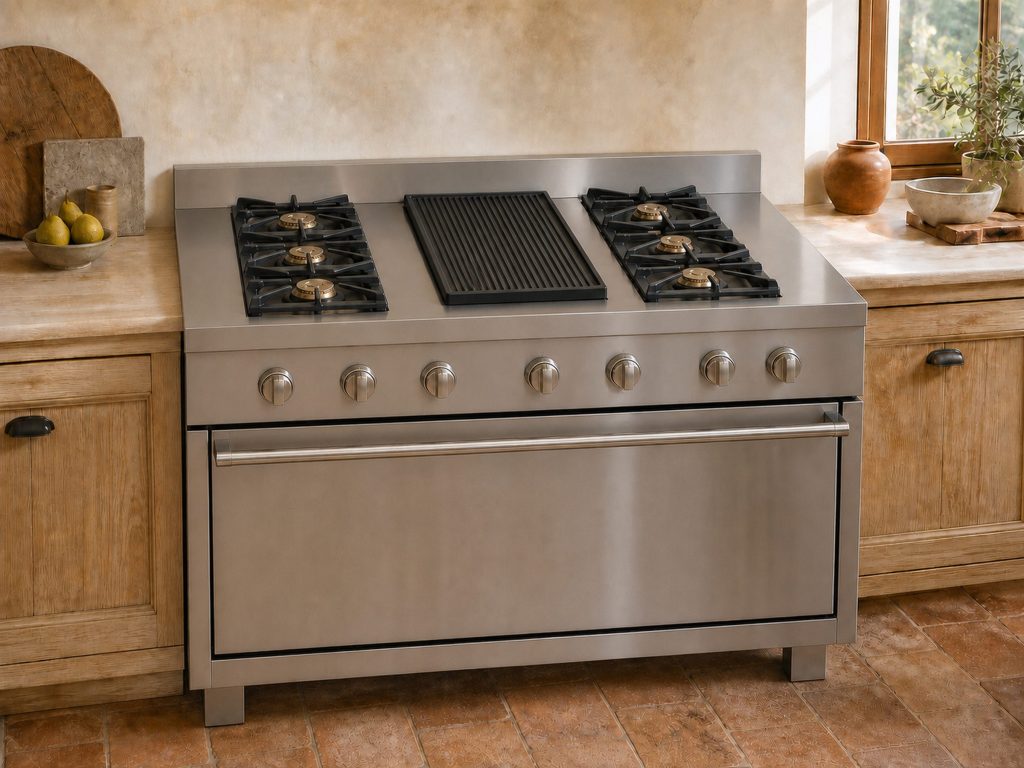
Three subjects on this list belong to this maker and to no other site on this fleet. Brass burners, on ten ranges and ten cooktops, which are serviced rather than replaced. The cast-iron griddle and grill, on eighteen appliances, with its own burner and its own valve under a plate that has to come out first. And a single built-in coffee machine — one model, said out loud on its page instead of dressed up as a category.
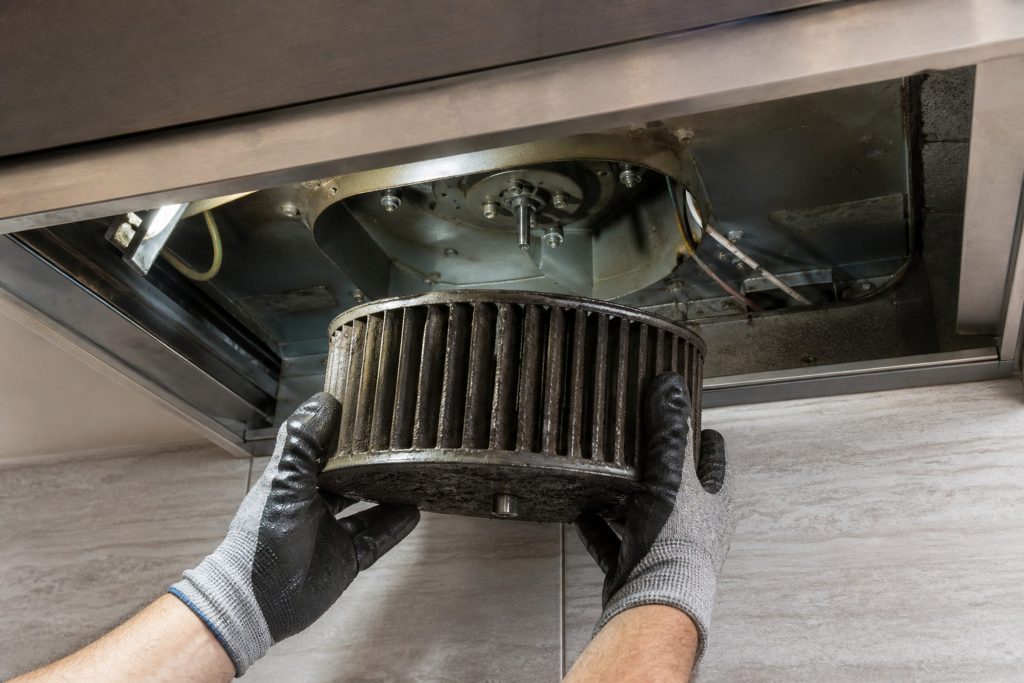
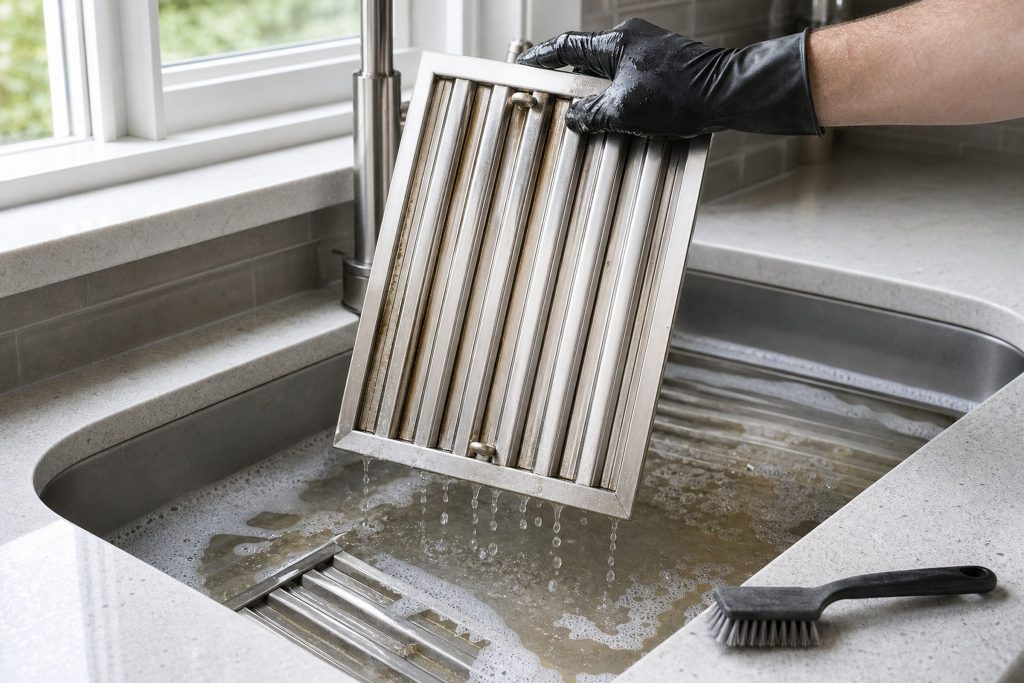
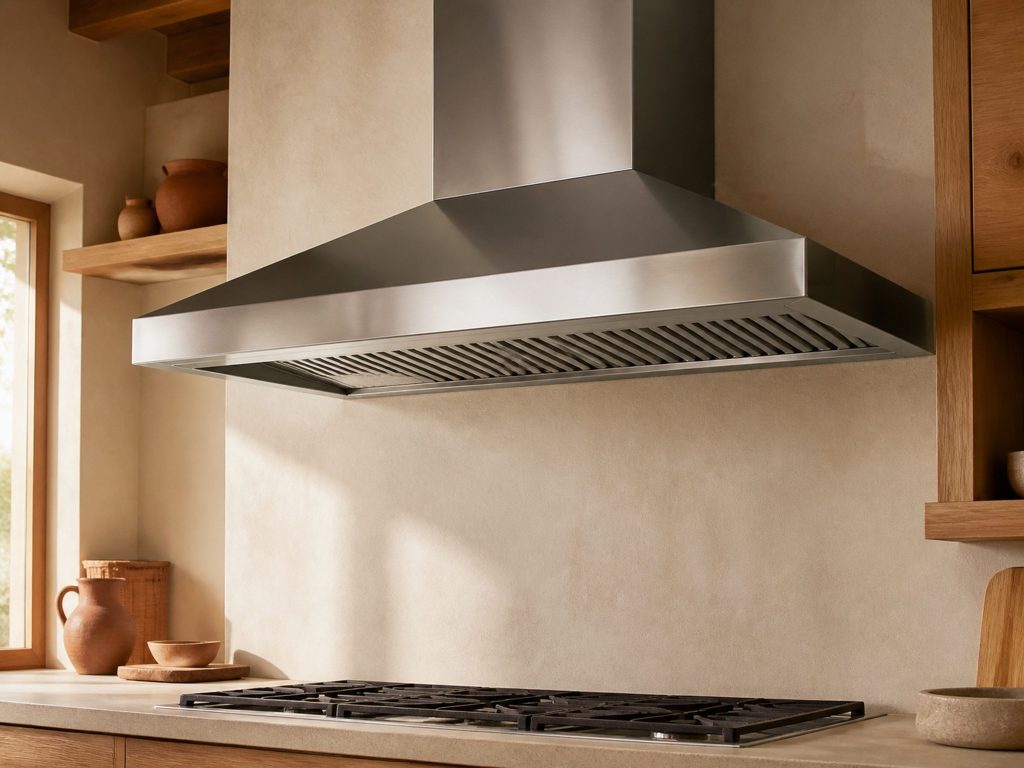
Ventilation is a fifth of the catalog and almost none of it is the appliance. Thirty-seven hoods, and a hood that pulls badly is usually the duct, the run length, the make-up air or a filter long before it is the motor. That is why the airflow page is one of the two cheapest on this site and says plainly that a real share of these visits end with nothing fitted.
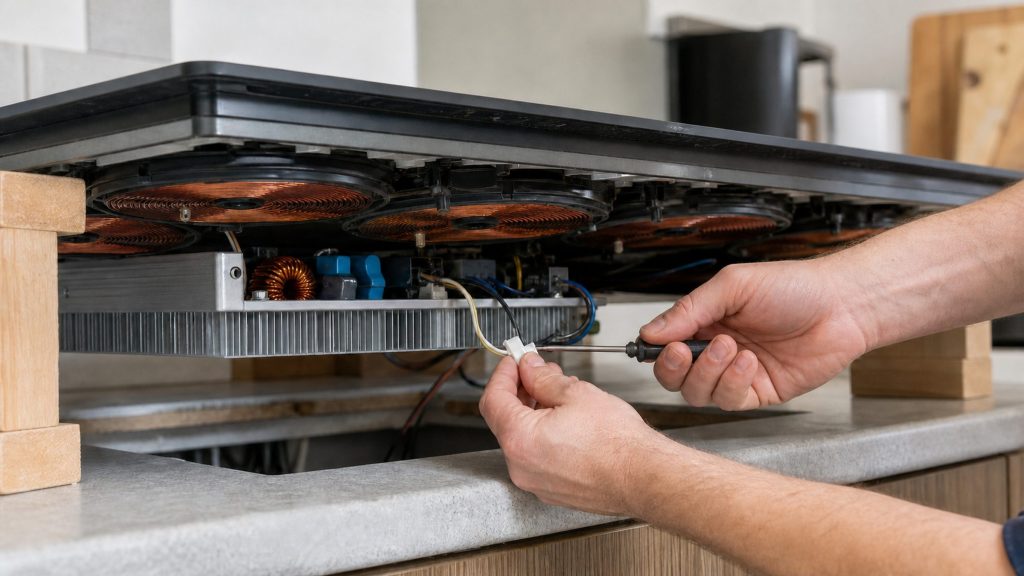
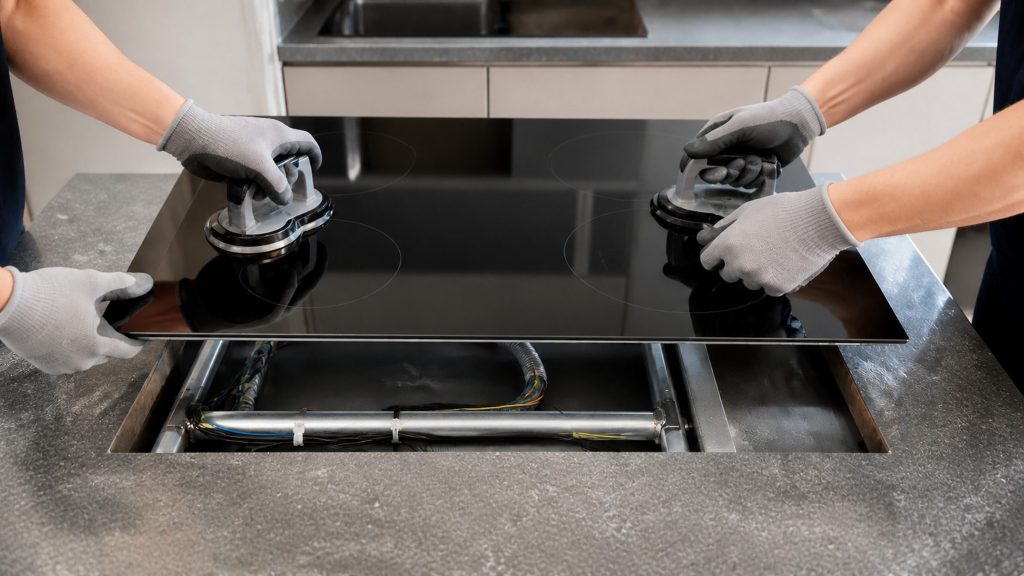
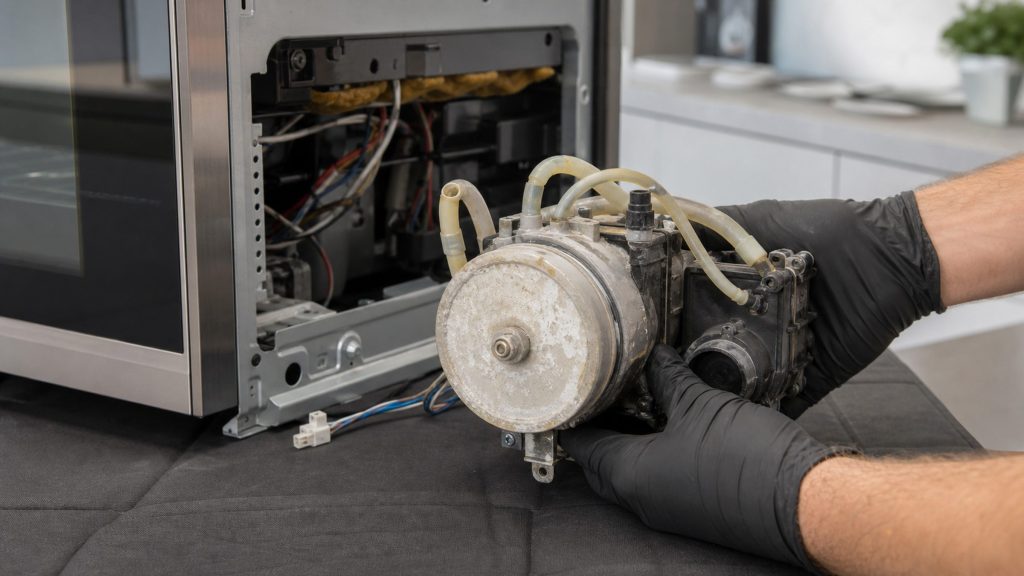
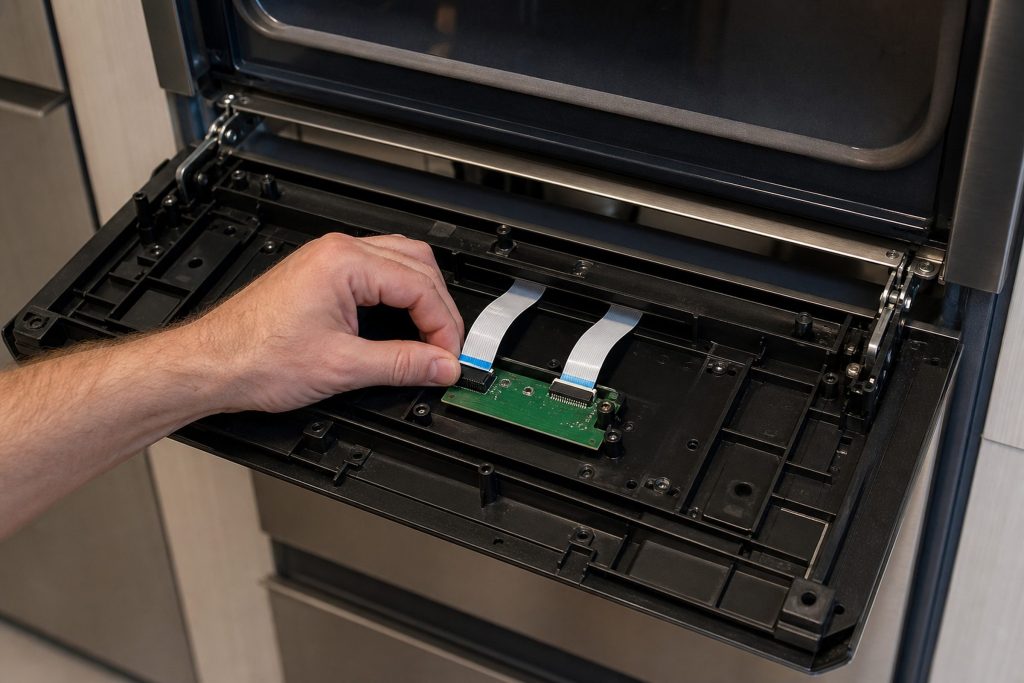
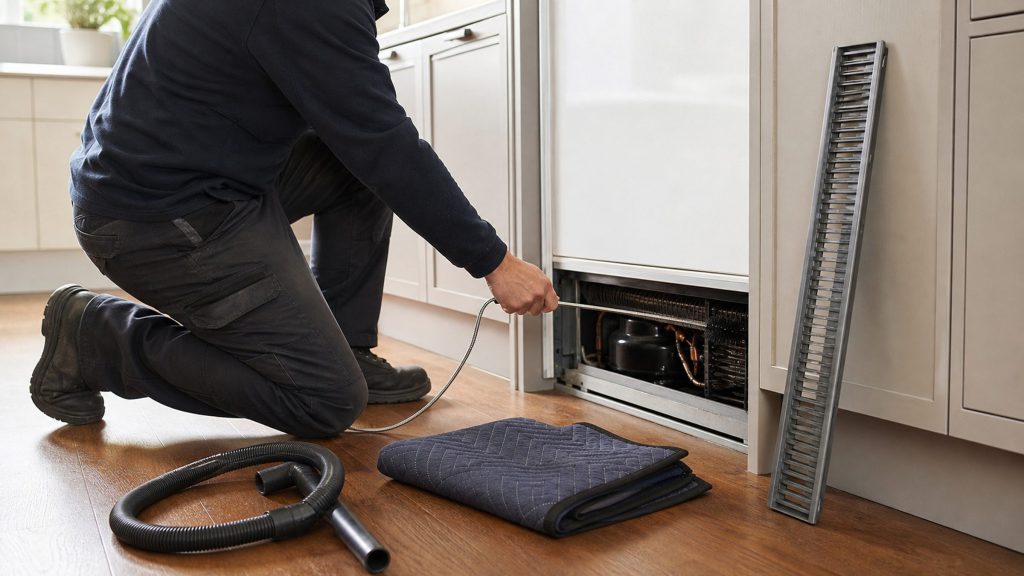
The climate is part of the work here too, and not as a figure of speech. Salt and dust on a condenser a few blocks from the water. An induction board in a sealed island with nowhere to send its heat. Grease and humidity in a hood duct that runs a long way to an outside wall. Mineral in the water, which is what eventually stops a steam oven and a coffee machine. A storm season that resets controls and leaves machines looking dead when they are only waiting. Those are the things we actually see across Miami-Dade, Broward and Palm Beach, and several of them are cheaper to prevent than to repair.