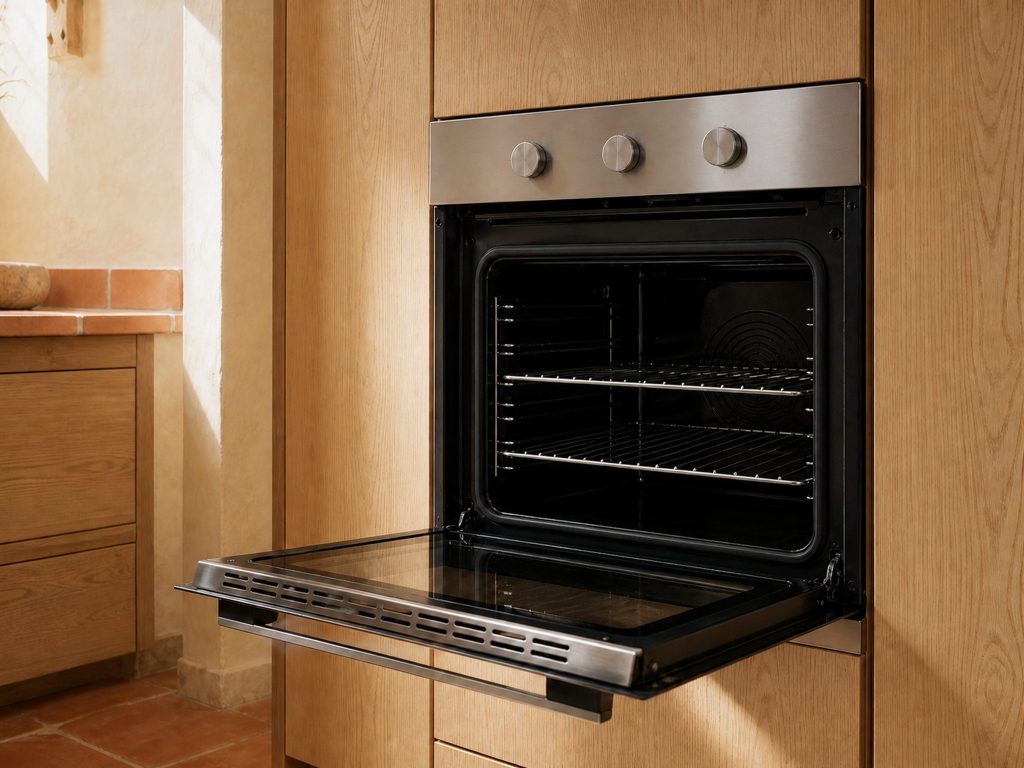
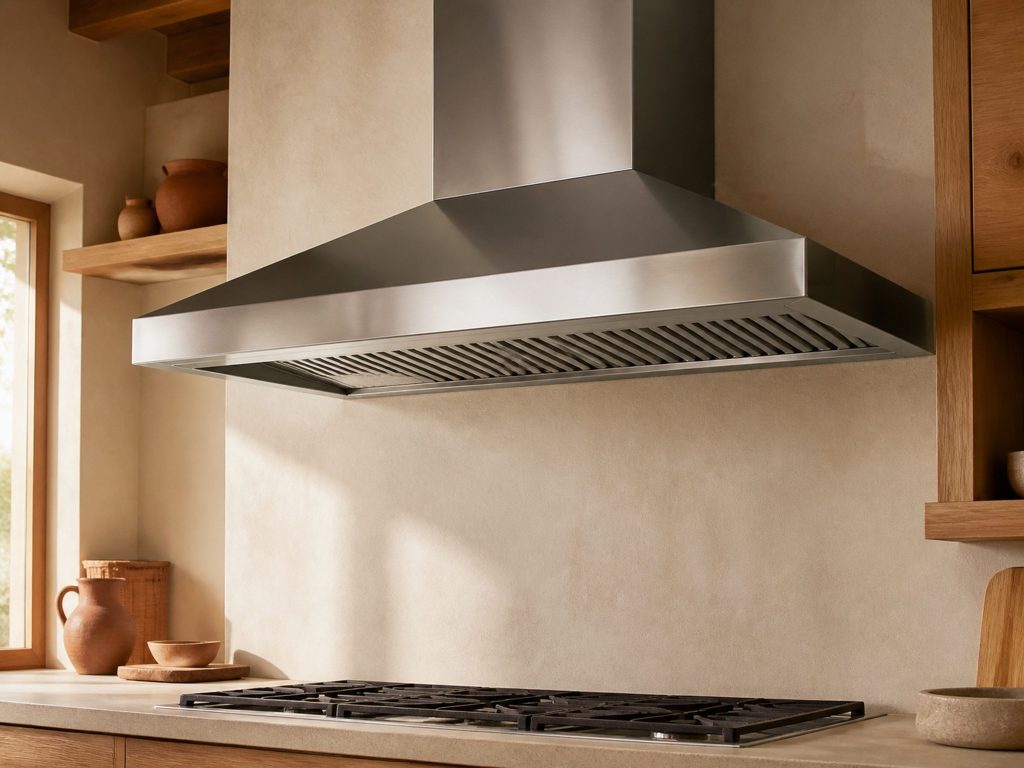
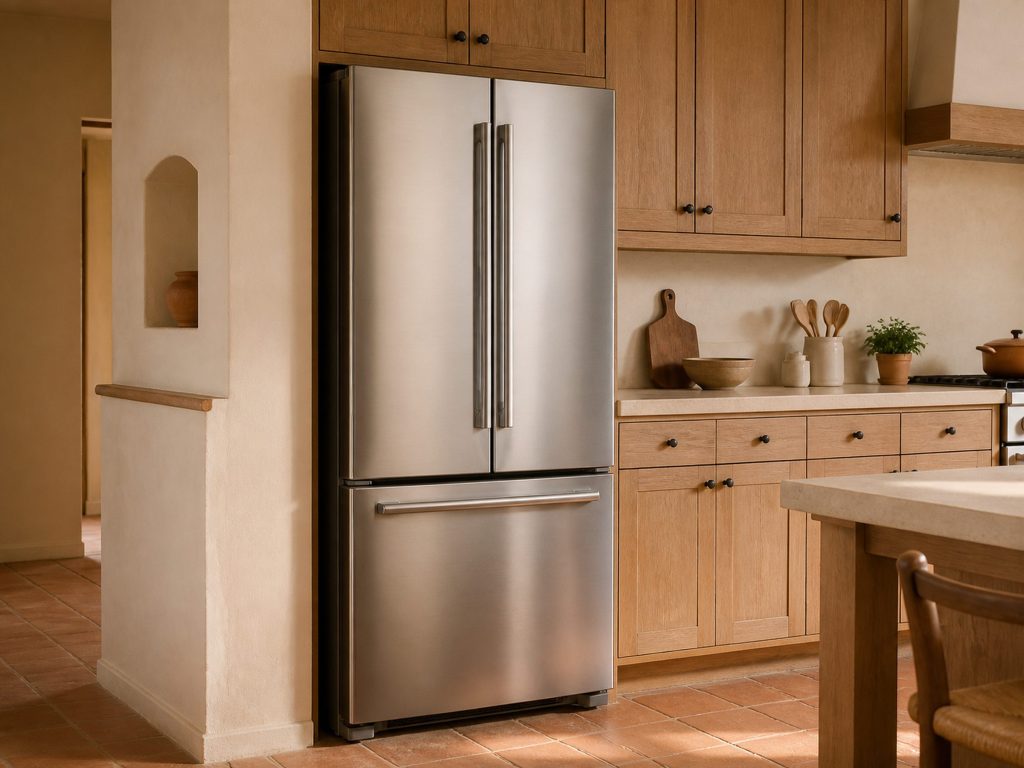
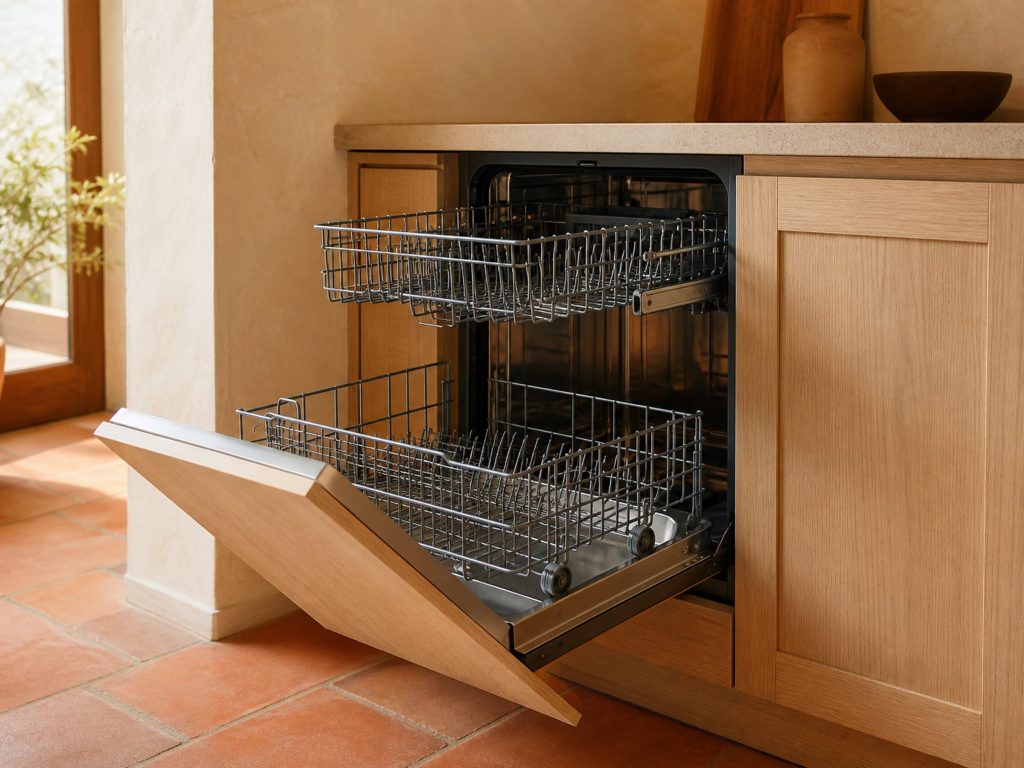
Free checks first
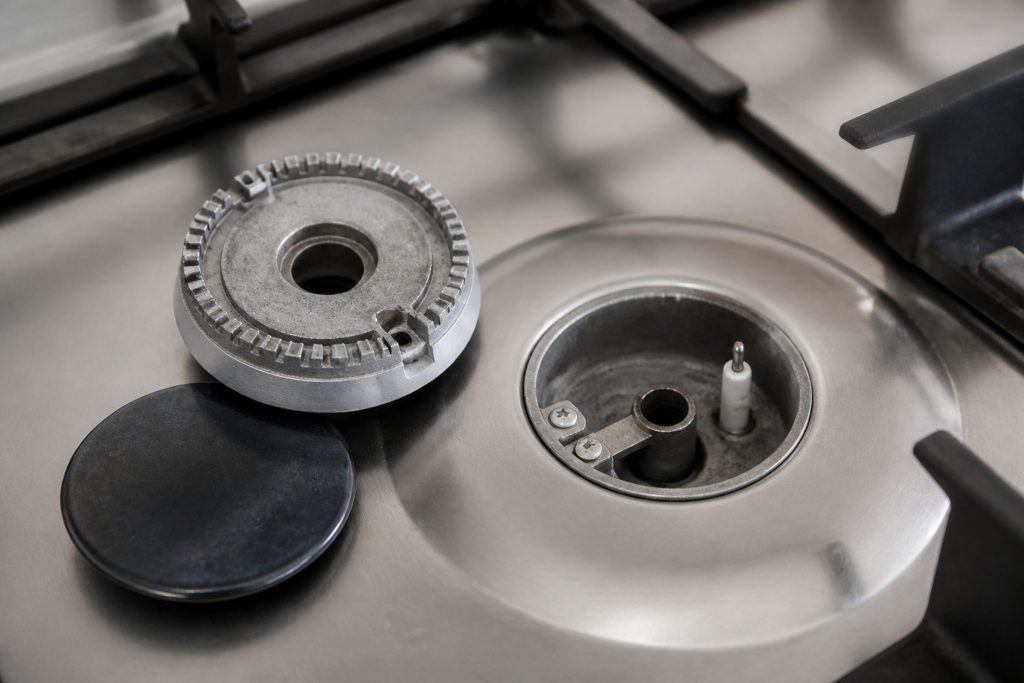
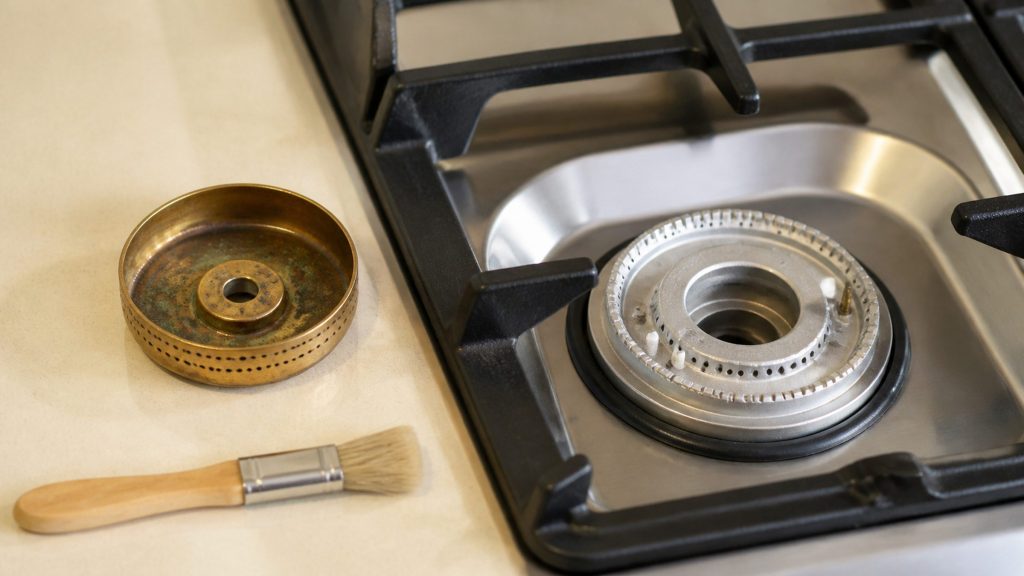
Every page opens with what is worth ten minutes of your own time, before any part is named. On this make that is unusually productive: burner caps, ports, filters, thermometers and a genuine power cycle between them resolve a meaningful share of the calls that come in. We would rather lose a visit than sell one that was not needed.
Then what it usually is
Five causes per page, ordered by how often each is the answer rather than by how much each costs — which frequently means the cheapest possibility is listed first and the expensive one is listed last. Each cause links to the repair it becomes, so you can see the figure before anybody arrives.
Then what to check
Four observations that separate those causes. These are written to be done without tools where that is possible, because an owner who can answer them has narrowed the diagnosis further than a phone call otherwise would.
Codes, where they exist
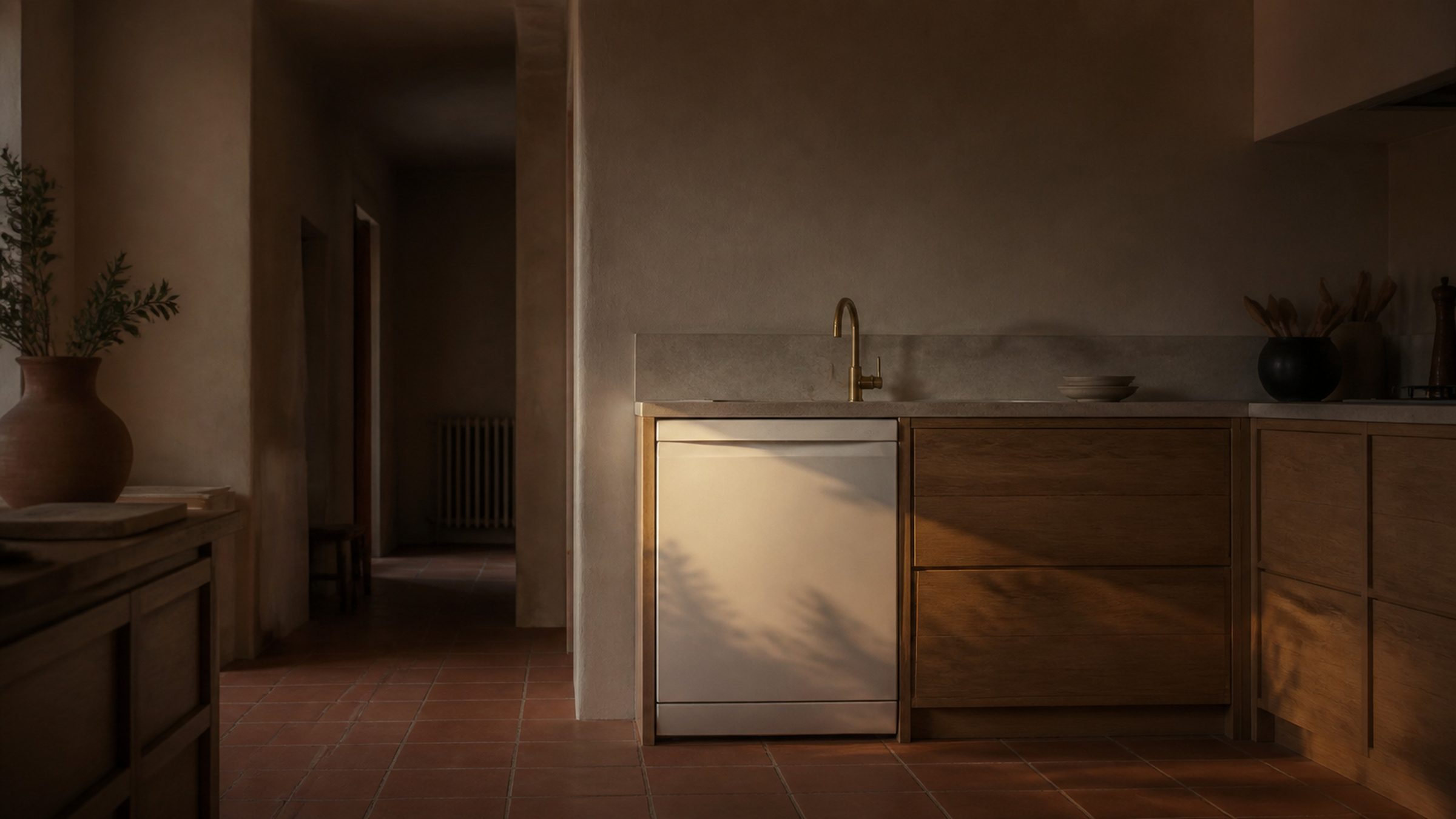
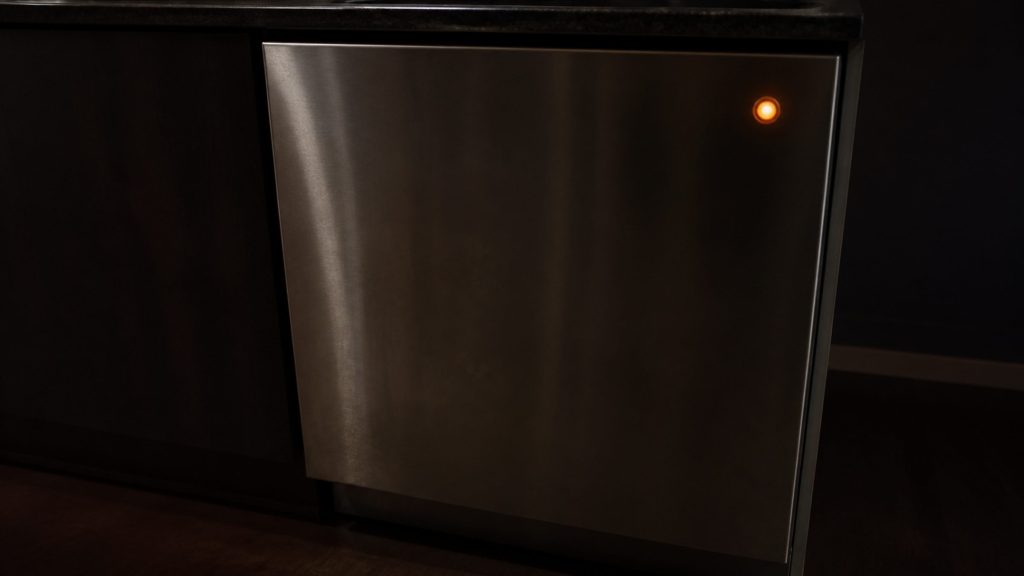
The dishwashers publish a full table — F1 through F9, plus FF and HI. Part of the refrigeration publishes E1, E2, E5, E6, E7, EH, EO and EE. Those appear on the pages they belong to and nowhere else. Everything else here — every range, every gas oven, every hood, and the induction tops as well — publishes nothing, and we do not invent codes to fill the gap. A sibling fleet once published about 38 “codes” that were really symptoms, and it is the reason this rule exists in writing.