The number is the machine. The series often is not
This maker groups its appliances into Professional, Master, Heritage and Modern series, and it is tempting to treat that as a specification level the way other makers do. Here it frequently is not. Seventy-four of the hundred and eighty model numbers in the current US catalog are published under two or three series at once — the same number, the same title, listed in more than one place — because the series is largely a design language rather than a different machine. For a repair that means the series name on the showroom tag tells us very little, and the number on the rating plate tells us everything. It is also why no figure on this site moves with the series.
Where the plate is, appliance by appliance
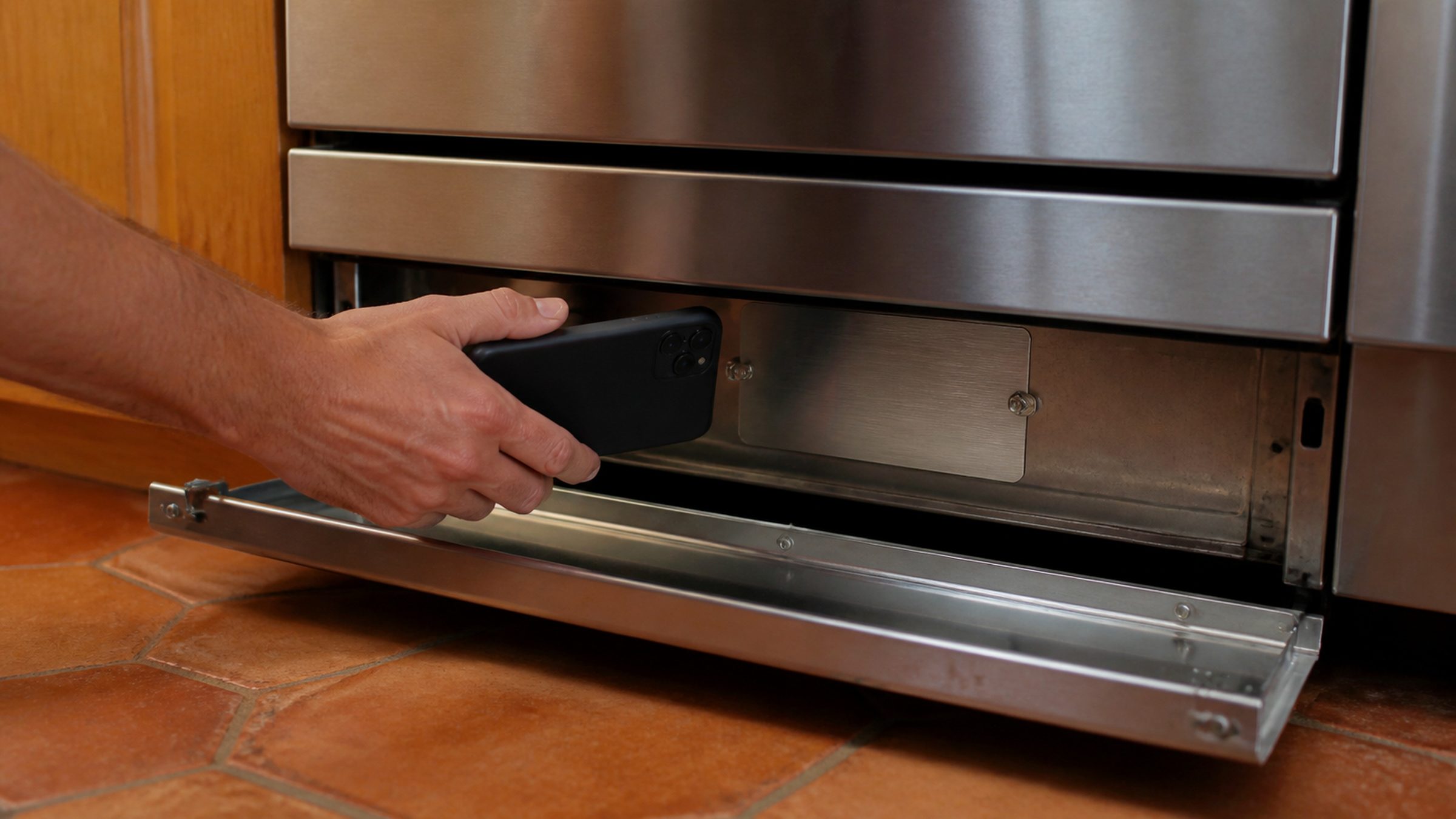
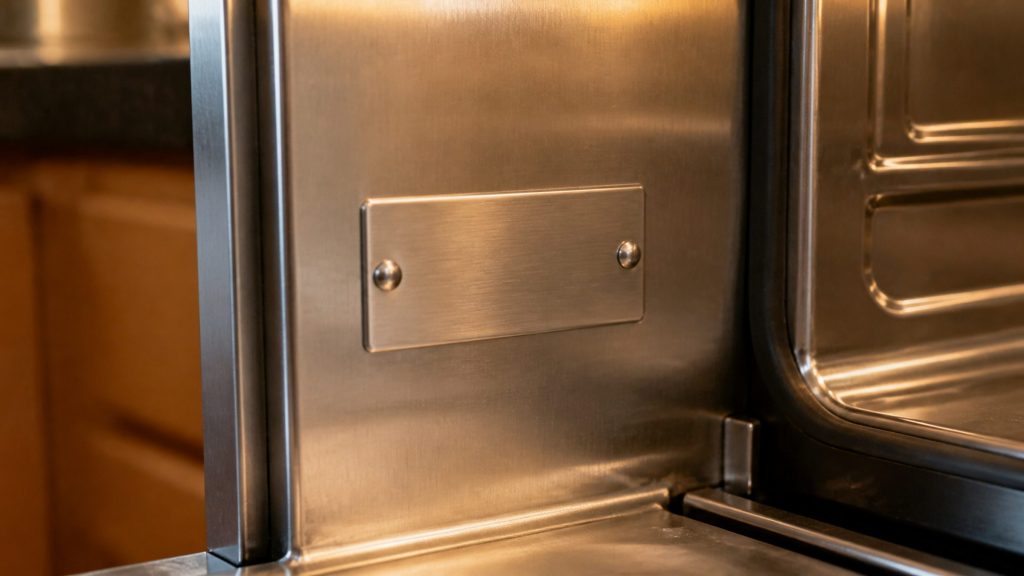
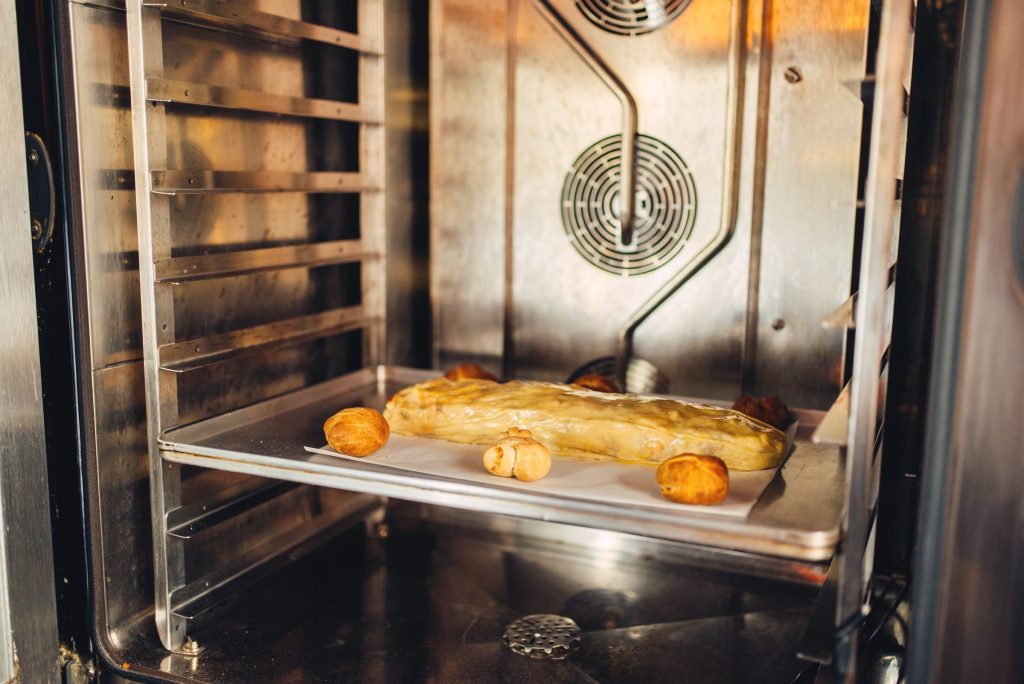
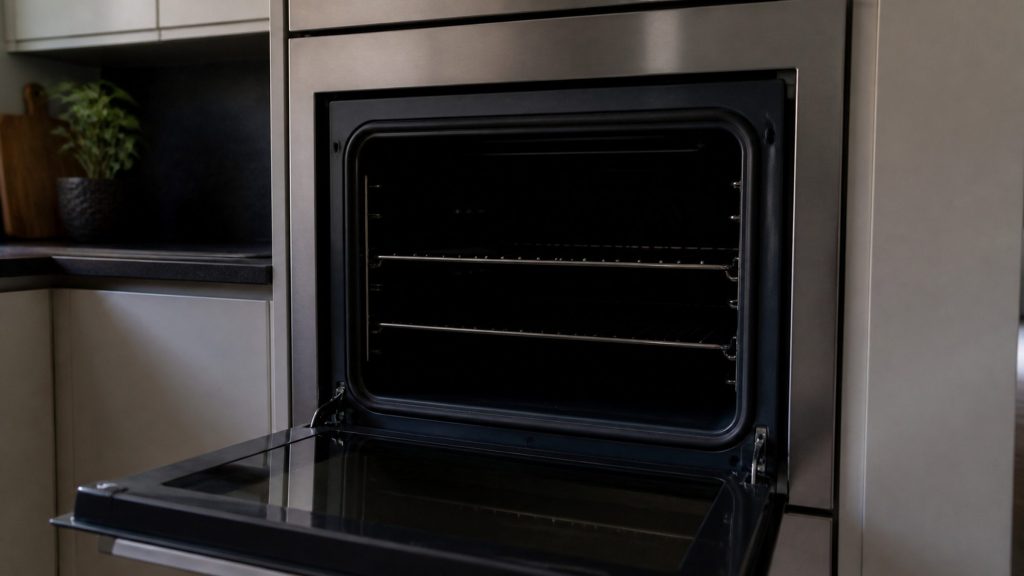
It is never anywhere convenient. On a range it is usually behind the kick panel at the floor, which means kneeling and a phone torch. On a wall oven it is inside the door frame, visible with the door open. On a cooktop or rangetop it is on the underside, which means a phone held up into the cabinet below. On refrigeration it is on the interior wall of the cabinet. On a hood it is behind the filters. A photograph of it beats reading it out, because these numbers contain letters and digits that sound alike on a telephone.
What the catalog is actually made of
Thirty-seven ranges and thirty-seven hoods lead it — this maker expects the two to be bought together, and it is why ventilation is a fifth of everything it sells. Then thirty-four cooktops and rangetops, thirty refrigerators, eighteen wall ovens, eight dishwashers, five freezer columns, four wine cellars, four microwaves, two warming drawers and a single built-in coffee machine. Cooking and ventilation are the overwhelming majority, which is the shape of the company rather than an accident of the catalog.
Why a model number changes what a repair costs
Three ways, and none of them is the badge. It decides whether the machine is gas, induction or dual-fuel, which is the largest single split in this line and points a diagnosis in completely different directions. It decides whether the appliance is built into cabinetry or stands free, which is planned time rather than a surprise. And it decides parts availability — common gas components are widely available and frequently not model-specific at all, while a control board for a particular machine is ordered against that number and checked before anything is promised.
The two numbers that are not a model number
The serial number beside it dates the appliance and is worth photographing at the same time. And a number ending in something like /26 or /23 is a revision marker rather than a different machine — it usually matters to a parts lookup and rarely to a diagnosis.