Appliance
Bertazzoni wall ovens
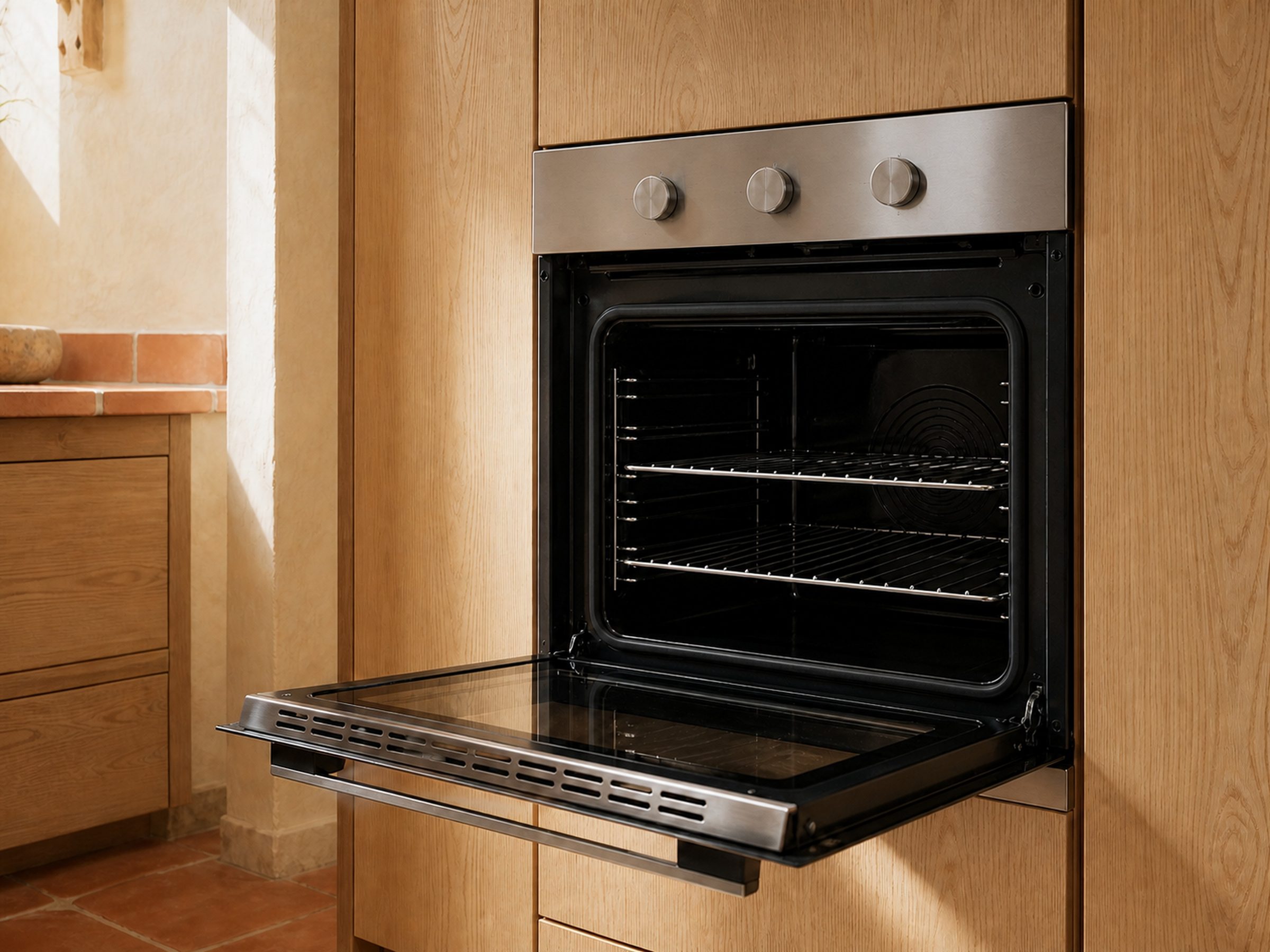
Eighteen built-in ovens, and they are not all the same machine. Five are speed ovens — a microwave and a convection oven sharing one cavity — five cook with steam, eight self-clean, and three carry the maker's own guided cooking. Two are doubles. What they have in common is that they are built into cabinetry, which decides how a repair starts: the oven comes forward before anything else happens.
- 7 symptoms we are called out to
- From $95 diagnostic, credited to the repair
- 59 cities and neighborhoods covered
- OEM parts available on order
The short version
What this equipment is, for a repair
Configurations
Single · Double · Speed oven · Steam · Self-clean · 24" · 30"
Access
Planned before the visit, not discovered on arrival
Parts
OEM, available on order
Diagnostic
From $95, credited to the repair
What goes wrong with it
Symptoms we are called out to on Bertazzoni wall ovens
Each one covers the likely causes in the order they are worth checking, and what to do in five minutes before booking anything.
-
Which mode fails tells you the part Oven not heating
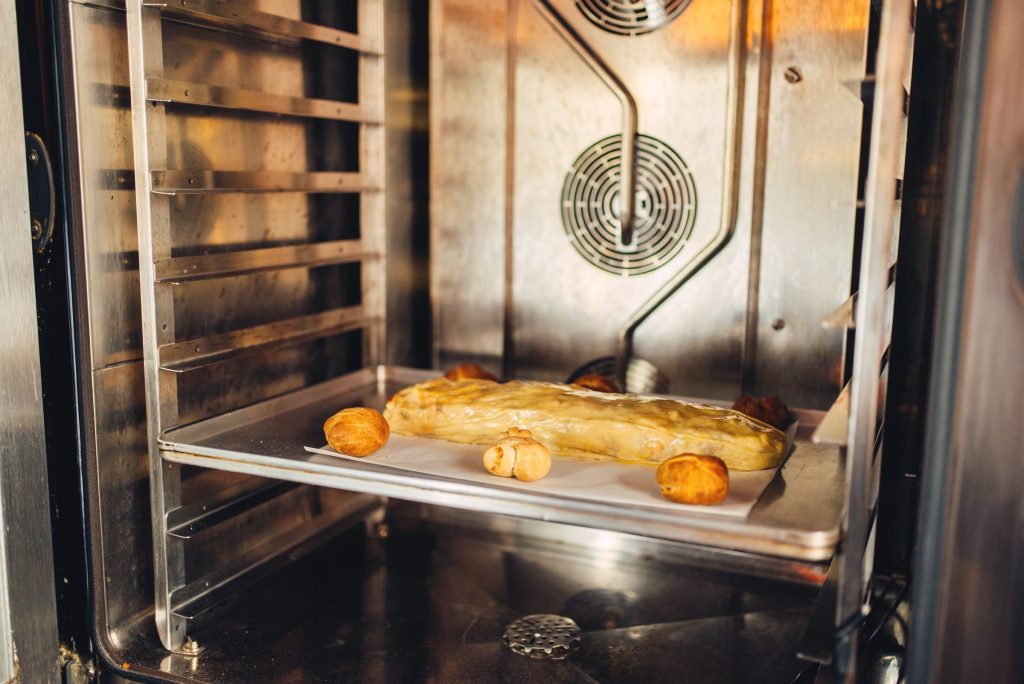
An oven that sets a temperature and stays cold, or heats on one mode and not another. There is no code to read on this make, and there does not need to be: trying each mode before you call halves the diagnosis for nothing.
- Sets a temperature and stays cold
- Broils but will not bake
- A gas oven that glows and never lights
-
Obedient, and aiming at the wrong number Oven running hot, cold or uneven
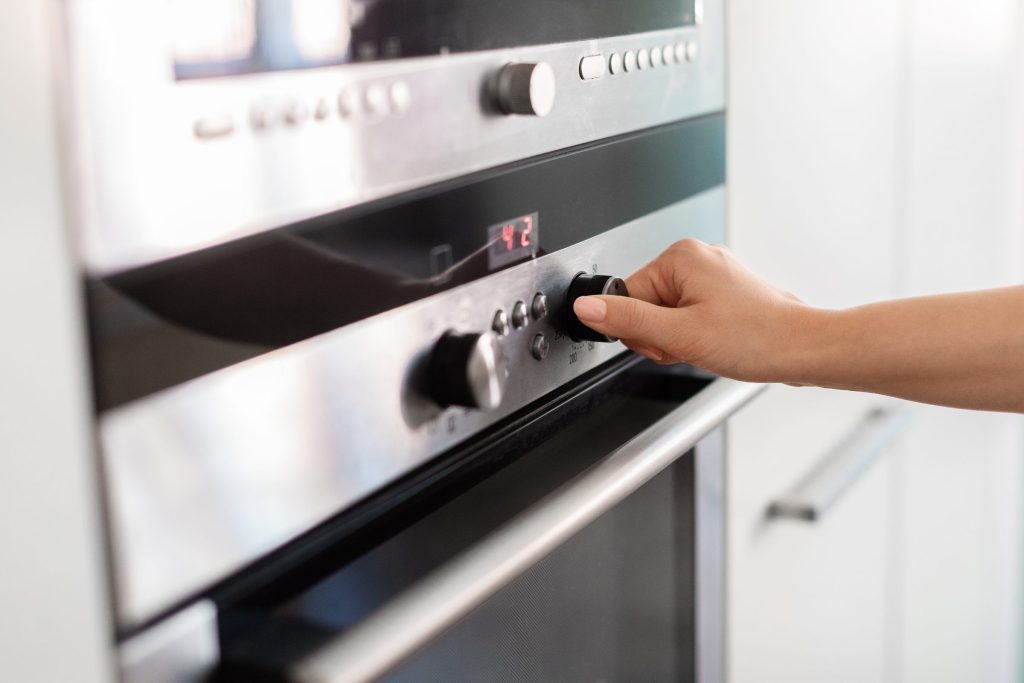
An oven that heats perfectly to a temperature that is not the one you set, or that browns on one side and undercooks on the other. Almost always a measurement problem rather than a heating one — and on this make it is measured with a thermometer, because there is nothing to read.
- Everything browning too fast or too slowly
- One side or one shelf consistently darker
- Baking that changed without anything else changing
-
It glows, and that is not the same as working Gas oven igniter not working
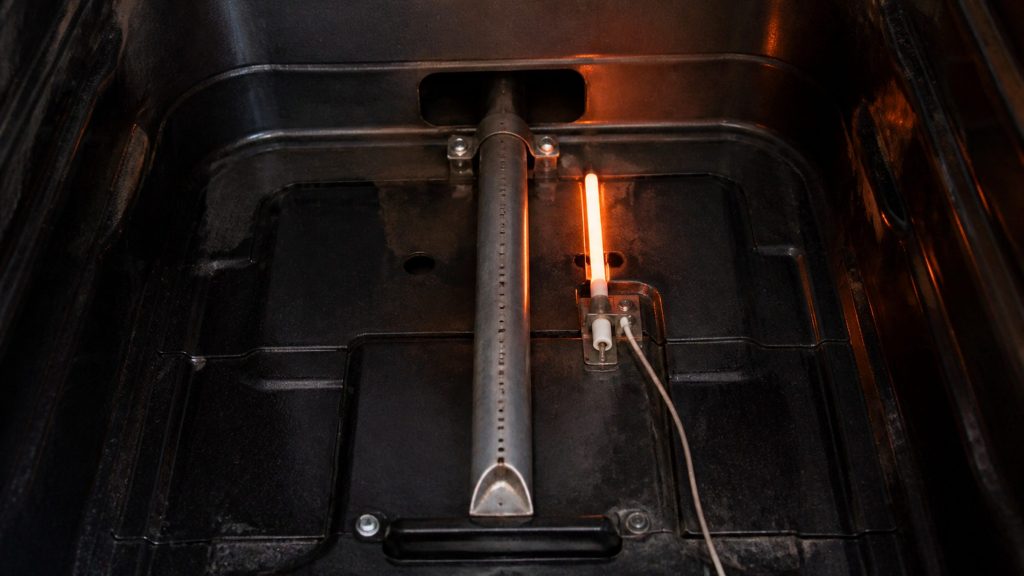
Eleven of the ranges in this line are all gas, which means the oven is a burner too. An oven that glows and never lights is the most misdiagnosed repair on a gas range, and the reason is that the igniter is also the switch.
- Glows orange and no flame follows
- Lights sometimes, usually when the kitchen is warm
- Takes longer and longer to catch
-
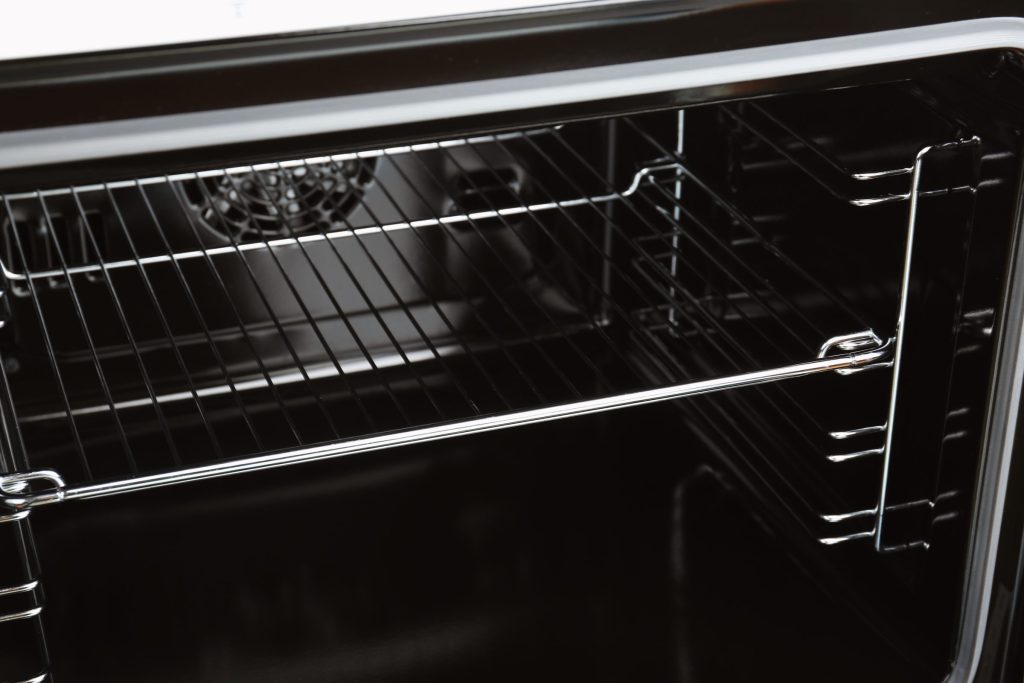
Two fans, and only one of them cooks Oven fan not working
There are two fans in most of these ovens and they do completely different jobs. The convection fan moves air inside the cavity and is half the cooking; the cooling fan protects the controls and runs after the oven is switched off. Knowing which one has stopped is most of the diagnosis.
- Convection results gone uneven or slow
- A silent oven that used to hum
- A fan that runs on long after cooking, or not at all
-
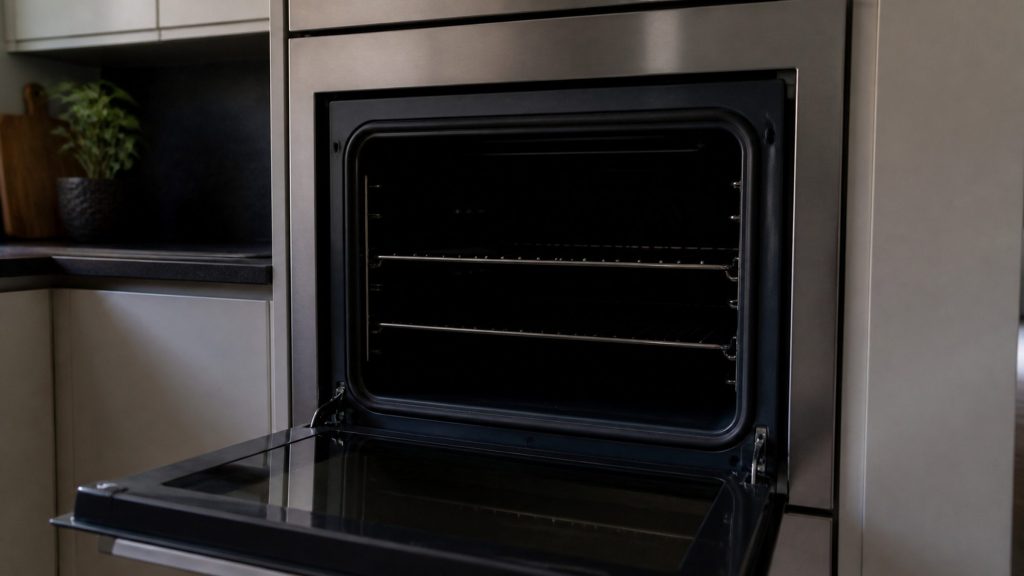
Small, and worth doing properly Oven light not working
The smallest complaint on the site and one people put up with for years. Usually a bulb, occasionally a switch, and there is one thing about changing it that is worth knowing before you try — because the wrong bulb in an oven fails in weeks and can break in the socket.
- Dark cavity with everything else working
- A light that flickers or works only when cold
- A bulb replaced recently that has already gone
-
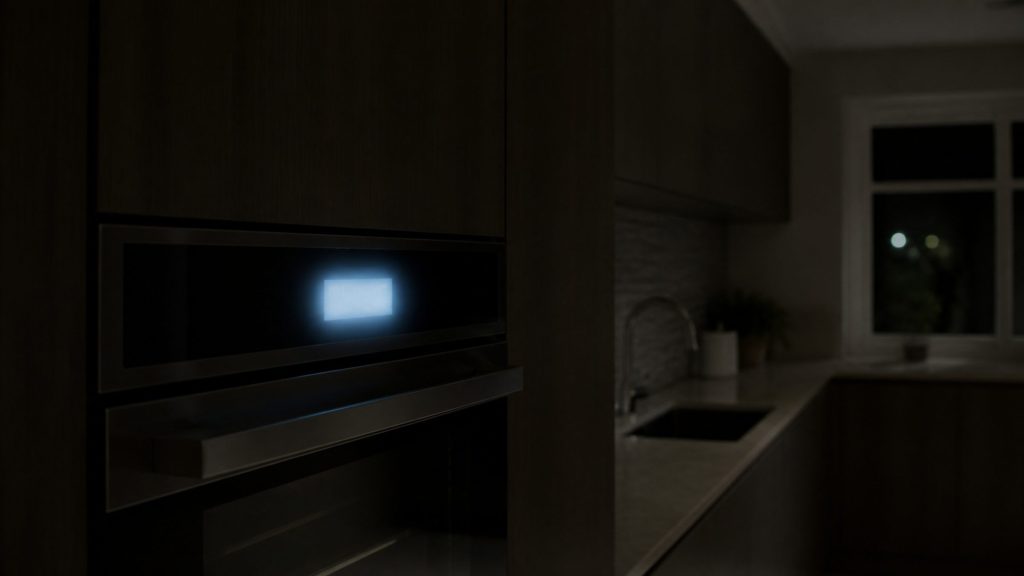
Two boards, and only one is expensive Oven display not working
A display gone blank, half-lit, or showing segments that make no sense. Before anybody quotes a control board it is worth knowing that most of these ovens have two, and that the one behind the display is usually the cheaper of the pair.
- Blank display over an oven that still heats
- Segments missing or stuck
- A clock that resets itself
What we do on it
Repairs we carry out on Bertazzoni wall ovens
Starting figures for this equipment in South Florida. The exact cost is confirmed after an on-site diagnostic — and this is not the whole list of what can go wrong, so call if your problem is not here.
-
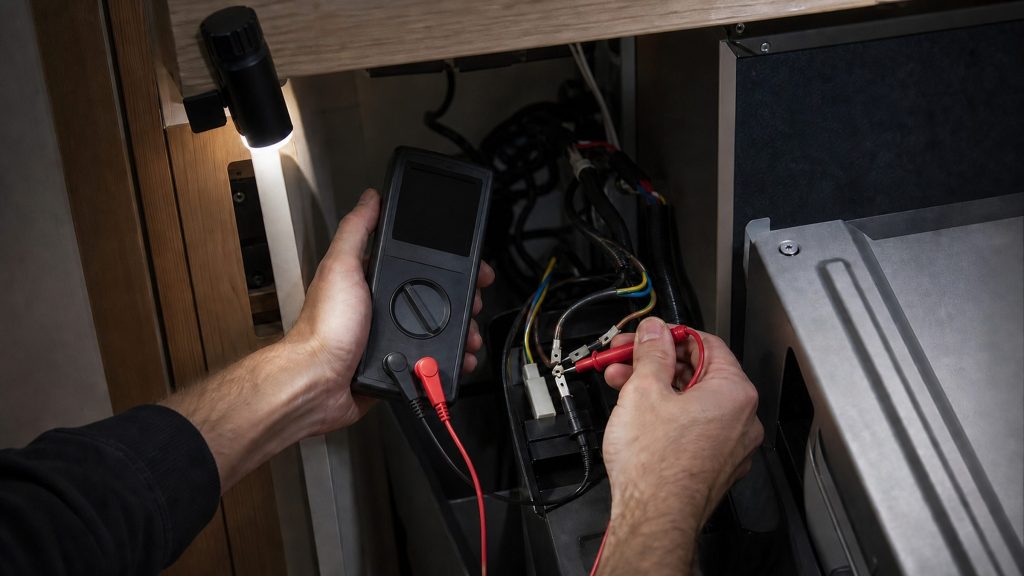
from $95 Diagnostic visit
We work out what is actually wrong before anybody quotes a part. On this make that usually means measuring rather than reading, because most of these appliances report nothing at all when they stop. The fee is credited toward the work when you go ahead.
- Measured rather than guessed — resistance, current, temperature, airflow
- The free causes checked first, before any part is named
- Credited toward the repair
-
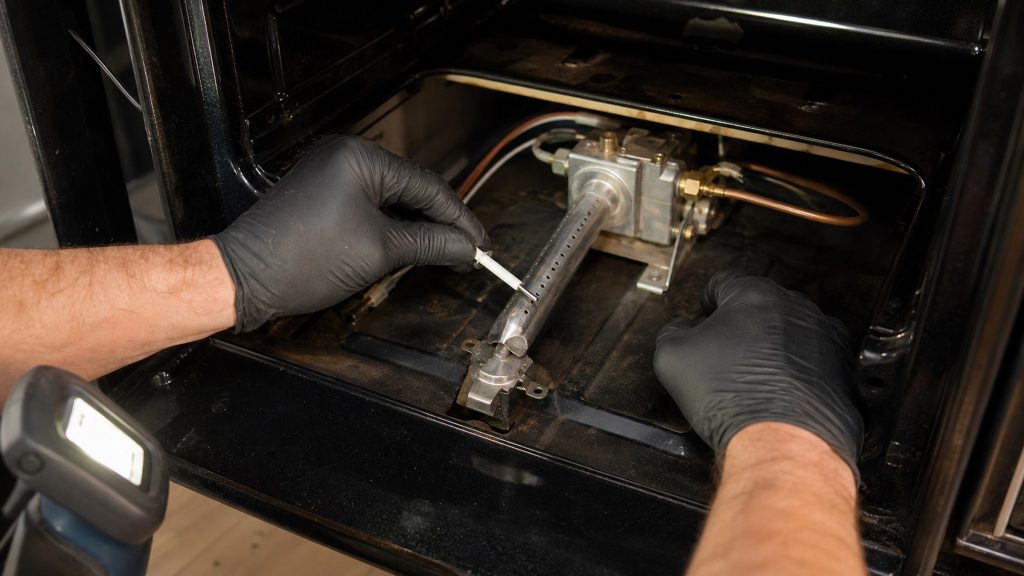
from $195 Gas oven ignition & safety valve repair
Eleven of these ranges are all gas, which means the oven is a burner too. A gas oven that will not heat is almost never the control and almost always the igniter and the safety valve working as a pair — and it is a repair that has to be done in the right order to be done safely.
- Igniter current measured under load, not judged by whether it glows
- The safety valve treated as half of the same circuit
- A full cycle watched from cold before we leave
-
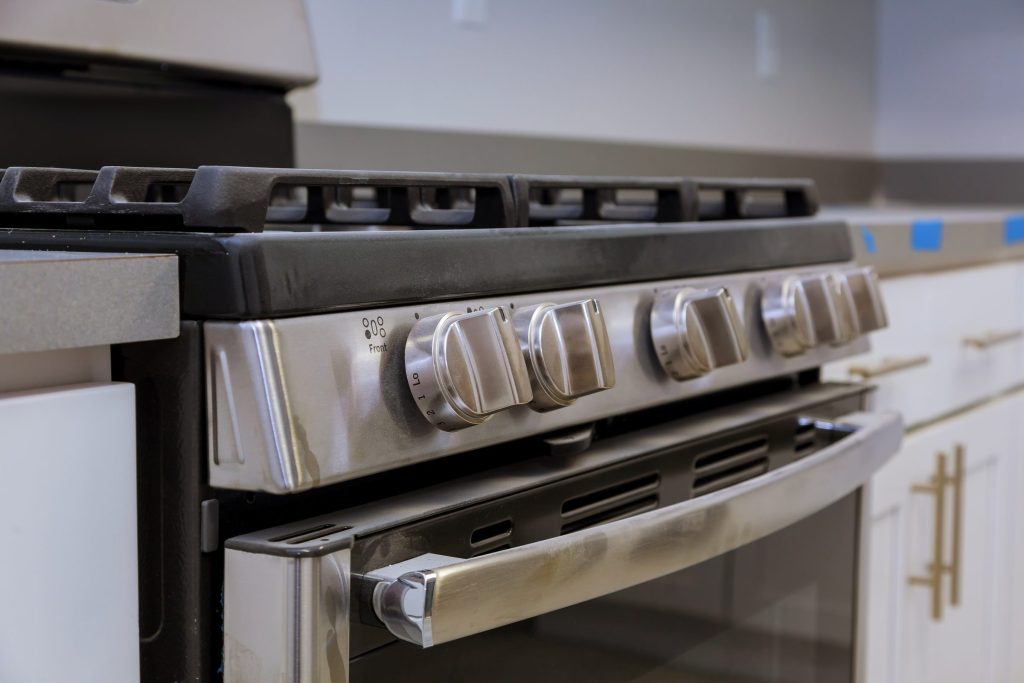
from $185 Dual-fuel oven element & sensor repair
Gas on top, electric underneath — nine of these ranges are built that way, and it is the arrangement most serious cooks ask for. When the oven half misbehaves it is almost always one of three parts, and the one that fails most is also the cheapest.
- The sensor checked first, because it is the usual answer and the cheapest
- Bake, broil and convection measured as three separate circuits
- The door seal tested, because an oven cannot hold what it cannot keep in
-
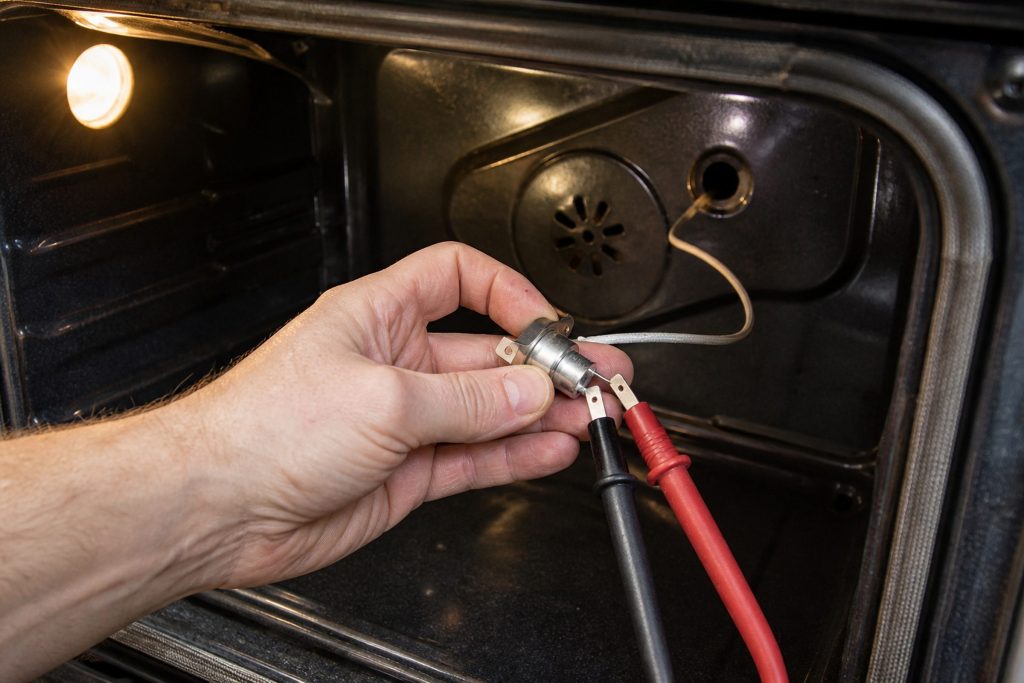
from $185 Oven heating & sensor repair
An oven that will not reach temperature, overshoots it, or takes twice as long as it used to. Three parts account for almost all of it, and the one that fails most often is also the cheapest — which is why nothing here is ordered before the sensor has been measured.
- The sensor measured cold, in a minute, before anything is opened
- Bake, broil and convection tested as three separate circuits
- The door seal checked, because an oven cannot hold what it leaks
-
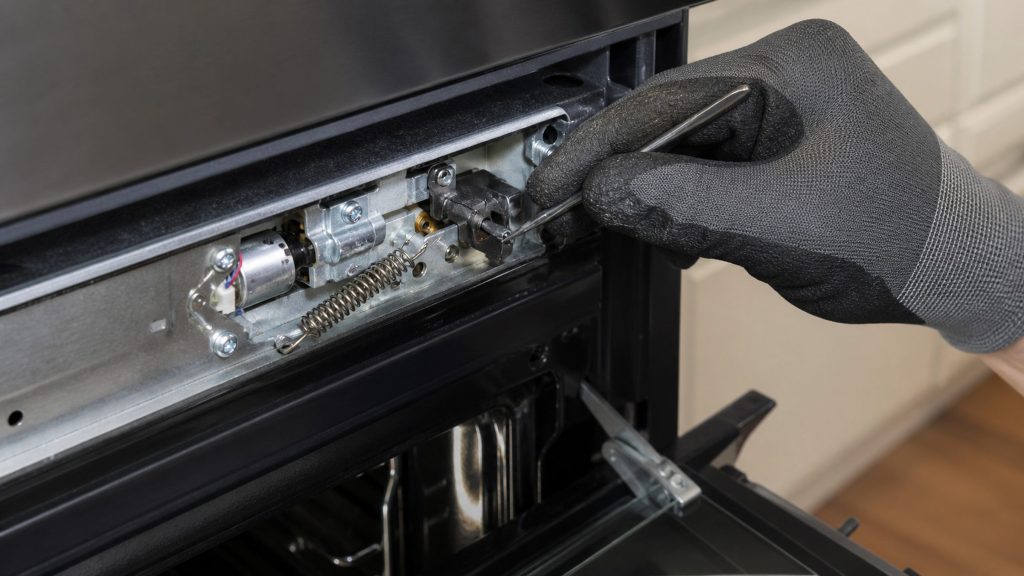
from $165 Oven door & self-clean lock repair
A door that will not close square, hinges that have given up under a heavy door, or a lock that engaged for a clean cycle and never let go. Eight of these ovens self-clean, and the post-clean lock is the single most common reason people call about an oven door.
- Give a locked door time to cool before anything is forced
- Hinges and springs replaced in pairs, because they wear together
- The seal checked at the same time — it is the reason the door matters
-
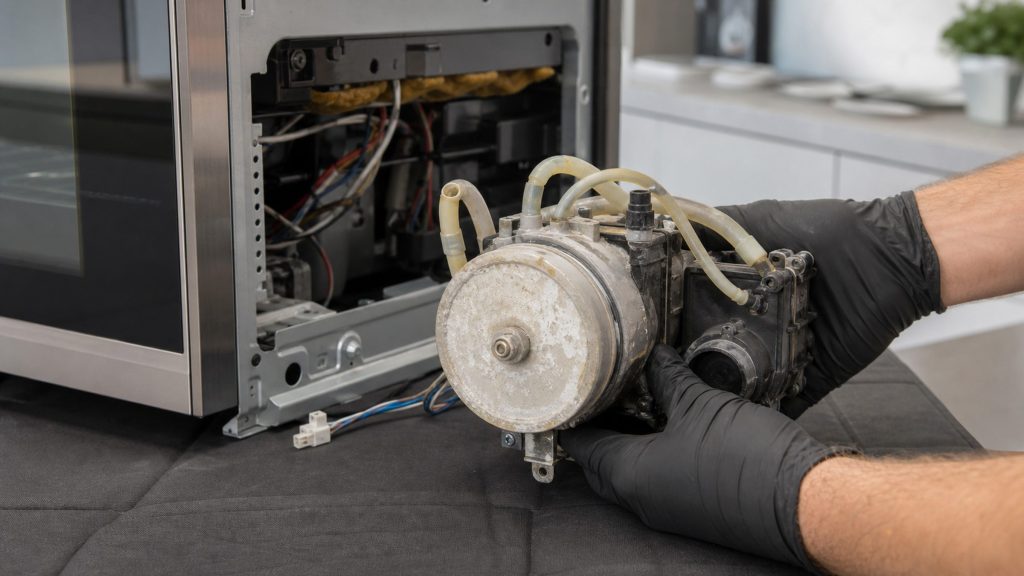
from $225 Steam oven repair
Five of these ovens cook with steam, which means a water path as well as a heating one: a reservoir or a plumbed supply, a pump, a boiler, a level sensor and a drain. In South Florida the thing that goes wrong with all of it is scale, and most steam calls end in a descale rather than a part.
- Descale and water path checked before any component is quoted
- Reservoir and plumbed machines diagnosed differently
- Steam produced and measured before we leave, not assumed
-
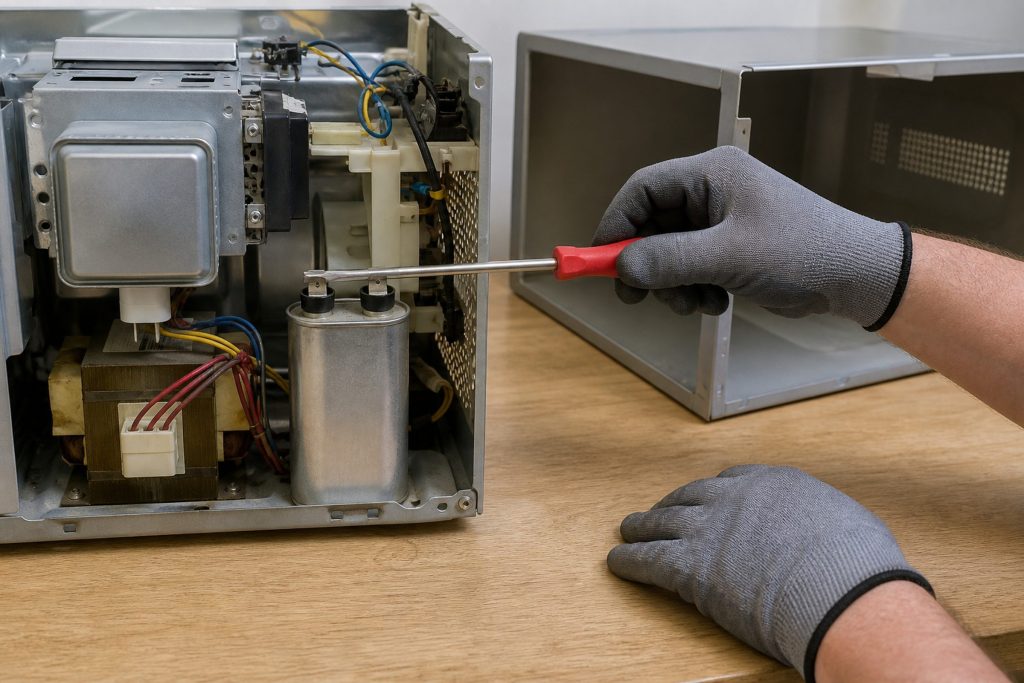
from $205 Speed oven repair
Five of these ovens are speed ovens: a microwave and a convection oven sharing one cavity, so the thing does in fifteen minutes what a conventional oven does in fifty. Two heating systems behind one door, and they fail independently — which makes the diagnosis unusually clean if you know which half has stopped.
- Microwave and convection tested as two separate appliances
- The door interlocks checked, because they stop both halves at once
- No microwave component opened without the capacitor discharged
-
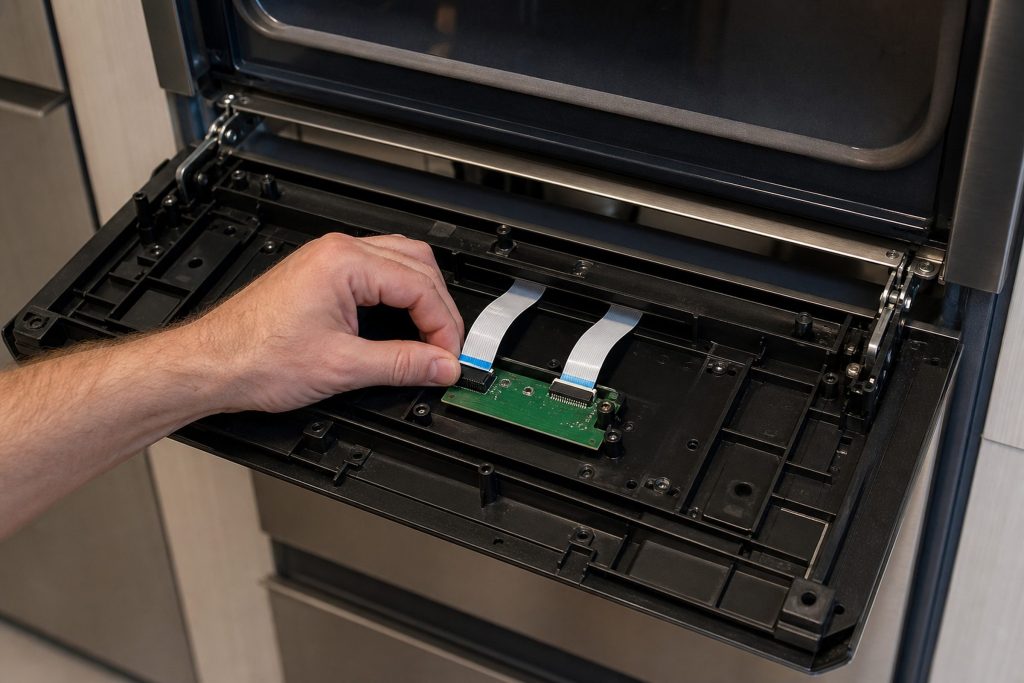
from $215 Oven control & display repair
A display that has gone blank or half-lit, a touch panel that ignores half its pads, a clock that resets itself, an oven that will not accept a program. These are the electronics rather than the cooking, and the first job is to establish which of two boards it is — because they are different parts at different prices.
- The display board and the power board separated before anything is ordered
- Supply and connections checked first, because they mimic a failed board
- The oven programmed and run through a full cycle afterwards
-
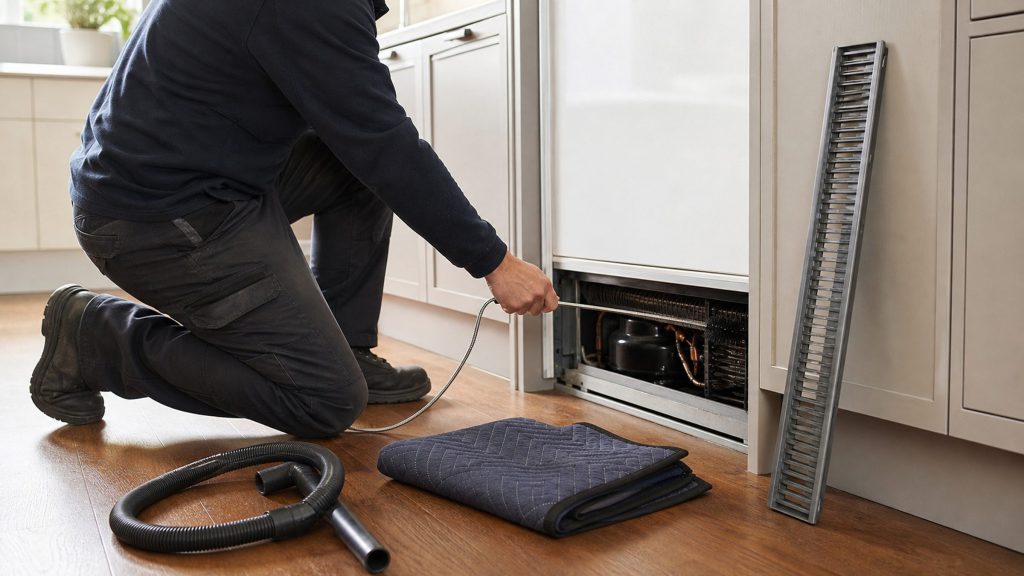
from $135 Appliance maintenance visit
A planned visit rather than an emergency one. On this make it earns its keep in three specific places: brass burners that want cleaning rather than replacing, hood filters and ducting nobody has looked at, and the scale that South Florida water puts into every dishwasher, steam oven and coffee machine in the house.
- Several appliances in one visit, which is where the saving is
- Burners, filters, condensers and scale — the four things that actually shorten a life
- A written note of what is starting to age, before it stops
-
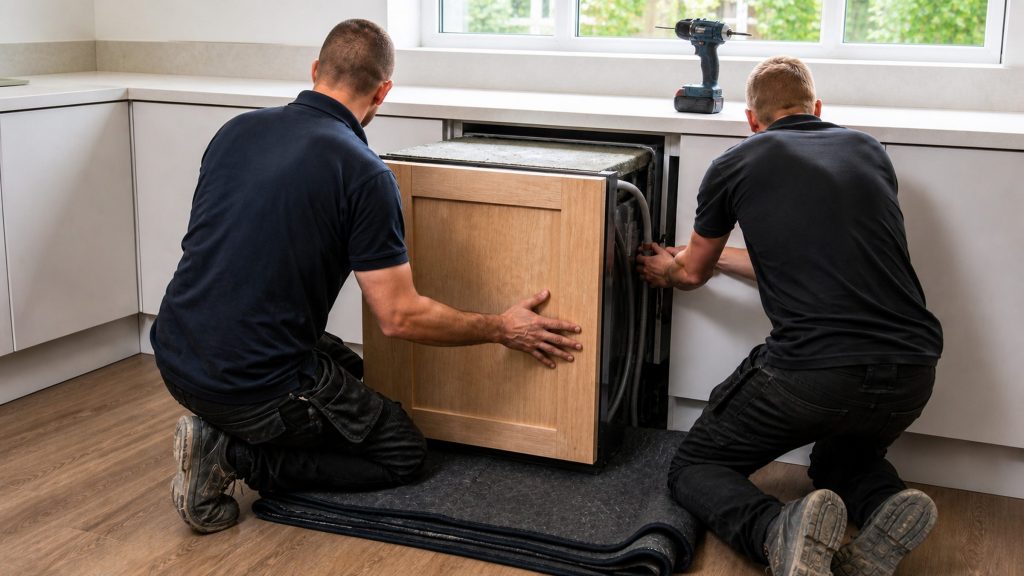
from $175 Appliance installation & refit
Setting a machine back into cabinetry it was taken out of, hanging a custom panel on a column, or putting right an installation that was never quite right. On this make it matters more than most: a great deal of the line is built in, and induction in a sealed island is the commonest self-inflicted failure we see.
- Clearances and ventilation checked against what the appliance actually needs
- Custom panels hung square and aligned to the neighboring cabinetry
- Anti-tip, gas connections and leveling treated as the safety items they are
In more detail
About Bertazzoni wall ovens
Eighteen ovens, four kinds of machine
- Conventional electric, single and double. Elements, a convection fan, a sensor and a control.
- Speed ovens — five of them. Microwave and convection in one cavity, two heating systems behind one door, failing independently.
- Steam — five. A water path as well as a heating one: reservoir or supply, pump, boiler, level sensor, drain. Scale is the local enemy.
- Self-cleaning — eight. Which brings the door latch and the temperature interlock into the picture, and with them the commonest post-clean call there is.
What actually fails
In the order we see it: the temperature sensor, which is cheap and is the reason most ovens run hot or cold; the door seal, which decides whether the oven holds what it reaches; the bake or broil element, which usually announces itself visibly; the convection fan and its element behind the back wall; the latch after a clean cycle; and, on the speed and steam machines, the half of the appliance that is not the conventional oven at all.
Built in, and what that means for the appointment
Every one of these lives in a cabinet. Most repairs beyond a sensor or an element begin by bringing the oven forward, which is ordinary work — unless something has been built around it since. Countertops, trim and filler strips added afterwards are the usual reason a straightforward job needs a second pair of hands, and it is much better to know that on the phone.
What to have ready when you call
The model number from the frame inside the door, whether it is a single, a double, a speed oven or a steam oven, and — for a double — which cavity. If there is a message on the display, the exact wording.
This article is based on:
- Official manufacturer documentation
- Internal repair procedures
- Technician repair history
- Company quality standards
Before you book
Questions about bertazzoni wall ovens
What is a speed oven, and does it need a different repair?
It is one cavity with two ways of heating it — microwave energy and convection — so it can do in fifteen minutes what a conventional oven does in fifty. Five of the eighteen ovens here are speed ovens. It matters for the repair because there are two heating systems behind one door, and they fail independently: an oven that browns perfectly but no longer heats through is the microwave side, and an oven that heats through but will not brown is the convection side. Saying which one has stopped is half the diagnosis.
My oven runs hot. Is that the thermostat?
On a modern oven there is no thermostat in the old sense. There is a temperature sensor — a thin probe at the back of the cavity — and a control that reads it. When an oven runs consistently hot or consistently cold while behaving normally in every other way, the sensor is the first suspect and it is one of the cheaper parts on the appliance. What points elsewhere is an oven that is wrong by different amounts on different days, or one that gets there and then drifts: that is more often the door seal or the element.
The door will not unlock after self-cleaning.
Give it time first. The lock is a temperature interlock, not a timer: it will not release until the cavity is genuinely cool, and a large oven that has run a full clean can take a couple of hours to get there with the door closed. If it is cold to the touch and still locked, that is the latch motor or its switch — a common repair and not an alarming one. What turns it into an expensive one is forcing it, which makes a latch job into a door job.
Is a steam oven worth repairing?
Almost always, and the reason is that most steam-oven calls are not the oven. Five of these ovens cook with steam, and steam means a water path: a reservoir or a plumbed supply, a pump, a boiler, a level sensor and a drain. Scale is what South Florida water does to all of it. A steam function that has weakened is far more often a descale and a pump than a failed appliance, and it is worth having that established before anybody quotes you for a cavity.
Does a built-in oven have to come out to be fixed?
For many repairs, yes, and it is worth knowing that before the visit rather than during it. The controls, the fan, the elements and the wiring are all reached from behind or from the sides, and on a built-in that means sliding the appliance forward out of its cabinet. It is routine work. What slows it down is a countertop, a run of trim or a filler strip added after the oven went in — if anything has been built around yours, say so when you book and we will bring the right hands for it.
Where we do it
Across Miami-Dade, Broward, and Palm Beach
Same terms everywhere we go: an on-site diagnostic first, the price agreed in writing, and the exact figure confirmed once we have seen the unit.
Neighborhoods people ask for by name