BertazzoniRepair Miami

23 conditions, read from the maker's own paper

Bertazzoni error codes.

The dishwashers publish an error table and part of the refrigeration publishes another; every range, every gas oven and all thirty-seven hoods publish nothing at all. So this archive is short, everything in it is real, and where a machine flashes at you instead of numbering itself, that is here too and labeled as what it is.

  • 18 numbered codes the maker prints
  • 5 documented indicators, not codes
  • 69 of the maker's manuals read
  • from $95 diagnostic, credited to the repair

Search the archive

Type what the display is showing

Twenty-three numbers, which is short for a catalog this wide, and letters matter — F1 and FF are different things. Type whatever the panel shows; if there is no display at all, describe what it is doing instead.

Nothing here is invented. Every entry names the manual or the FAQ page it came from, and where this maker publishes no code for a machine, this archive says so rather than filling the gap.

Why this archive is short

Two hundred pages of codes would mean somebody invented them.

Two hundred and eighty-eight product pages on this maker’s own US site were read for the manuals they link to. Sixty-nine distinct manuals came back. Three of them contain a table of codes. Not three per appliance — three in total.

That is not a documentation failure, it is what the equipment is. A gas range diagnoses by flame: how it sits on the port, what color the tip is, whether it holds when you let the knob go. There is nothing for a display to say. So this site puts its weight on the symptom pages, which describe what an appliance is doing, and keeps this archive to what the maker actually prints. Another repair-guide network was once caught publishing about thirty-eight “codes” that were somebody’s guesses dressed as a table, and that is the mistake this page exists to make impossible.

Start from what it is doing instead
An open appliance manual lying flat on a cream worktop, photographed at so steep an angle that the pages read as grey blocks of text and simple line drawings, a pencil resting in the gutter.

Before you clear it

Four things worth doing while the display is still showing something

On a make that reports only occasionally, what is on the panel right now is the whole of the evidence. None of this takes more than a minute, and the number does not survive the next power cycle.

Photograph it

  • The letter matters as much as the number — F1 and FF are different things
  • A photograph beats writing it down, and beats reading it out on the phone

Note what the machine was doing

  • Which program, how far into it, and whether it had run normally before
  • A code with a story attached is worth several times a code on its own

See whether it survives a power cycle

  • Two full minutes at the breaker, not two seconds at the control
  • Whether it comes back, and how quickly, separates a confused control from a real failure

Check the free causes it names

  • Several of these codes point at a tap, a hose filter or a drain rather than at the appliance
  • The page for each one says which, and what to look at first

If the panel is showing nothing

Describe it the way you would on the phone

Twenty-three numbers across ranges, hoods, dishwashers and refrigeration — and a great deal of what goes wrong on this make never produces one. Twenty-six symptom pages start from the thing you noticed rather than from a code, in the words people actually use for it.

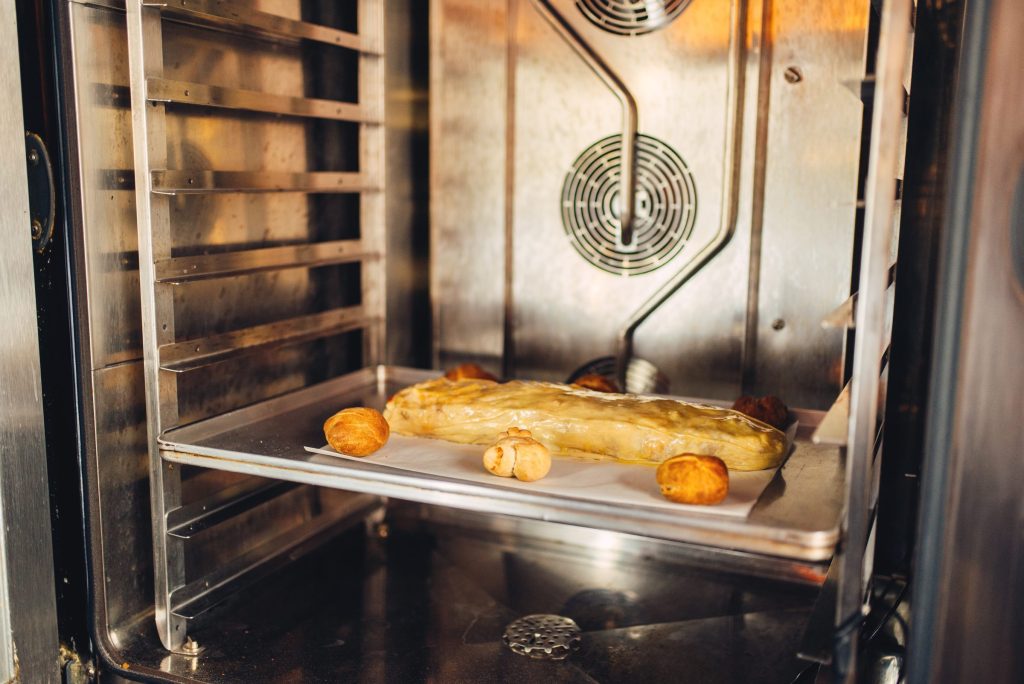
  • Looking into an open oven at a tray of part-baked pastries with the bake element visible at the back
    Which mode fails tells you the part

    Oven not heating

    An oven that sets a temperature and stays cold, or heats on one mode and not another. There is no code to read on this make, and there does not need to be: trying each mode before you call halves the diagnosis for nothing.

    What it usually means
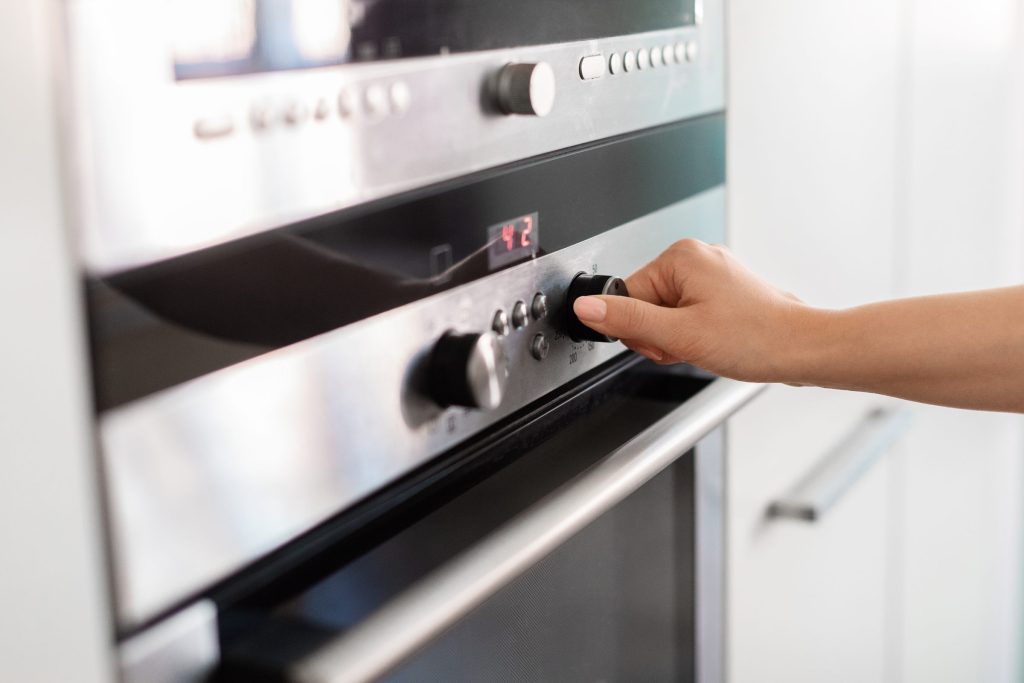
  • A hand turning the temperature knob on a built-in oven while the small display shows a set temperature
    Obedient, and aiming at the wrong number

    Oven running hot, cold or uneven

    An oven that heats perfectly to a temperature that is not the one you set, or that browns on one side and undercooks on the other. Almost always a measurement problem rather than a heating one — and on this make it is measured with a thermometer, because there is nothing to read.

    What it usually means
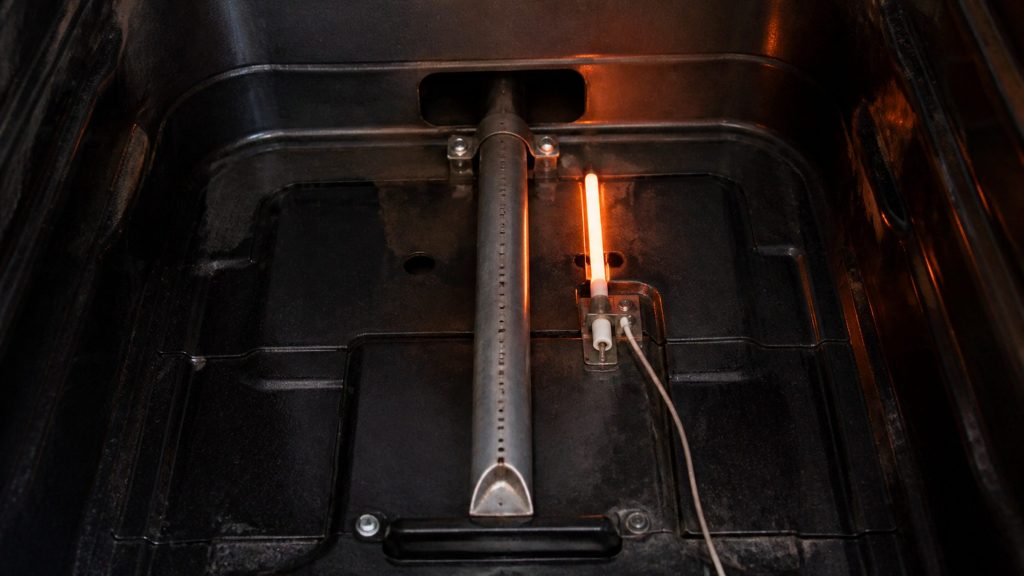
  • Looking into the bottom of a gas oven cavity with the floor panel lifted out, a slim ceramic igniter glowing bright orange beside the bake burner tube, no flame yet.
    It glows, and that is not the same as working

    Gas oven igniter not working

    Eleven of the ranges in this line are all gas, which means the oven is a burner too. An oven that glows and never lights is the most misdiagnosed repair on a gas range, and the reason is that the igniter is also the switch.

    What it usually means
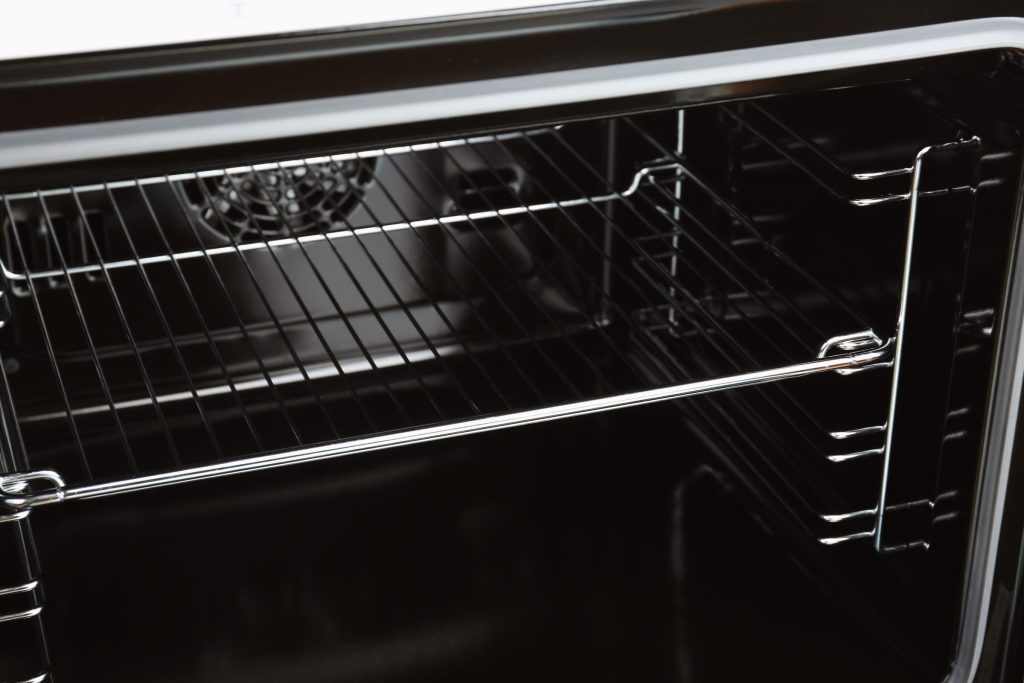
  • The inside of a cold oven with the circular convection fan cover on the rear wall behind empty racks
    Two fans, and only one of them cooks

    Oven fan not working

    There are two fans in most of these ovens and they do completely different jobs. The convection fan moves air inside the cavity and is half the cooking; the cooling fan protects the controls and runs after the oven is switched off. Knowing which one has stopped is most of the diagnosis.

    What it usually means
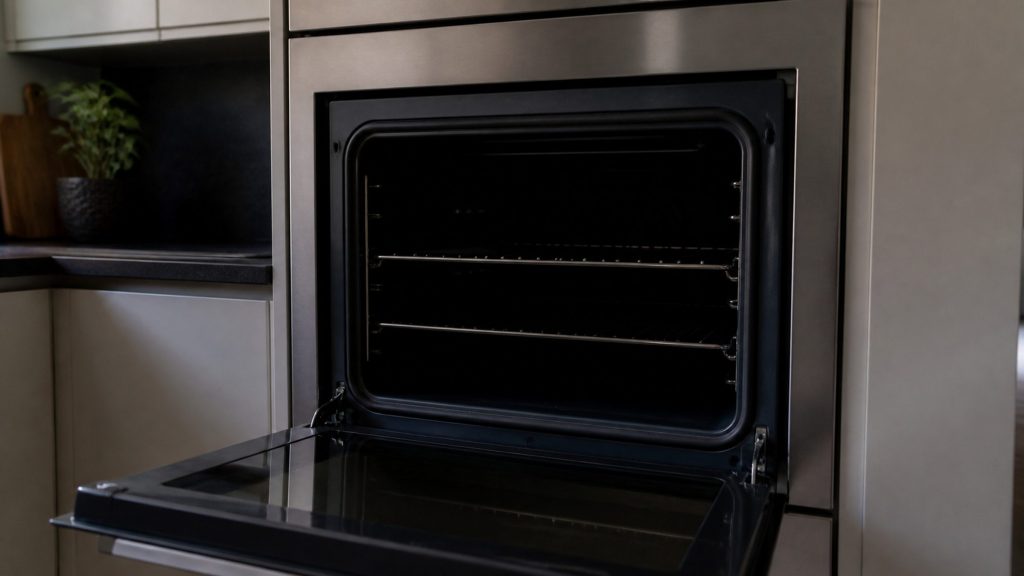
  • An open built-in oven in a dim kitchen with the interior completely dark, the empty racks and cavity lit only by weak room light from outside.
    Small, and worth doing properly

    Oven light not working

    The smallest complaint on the site and one people put up with for years. Usually a bulb, occasionally a switch, and there is one thing about changing it that is worth knowing before you try — because the wrong bulb in an oven fails in weeks and can break in the socket.

    What it usually means
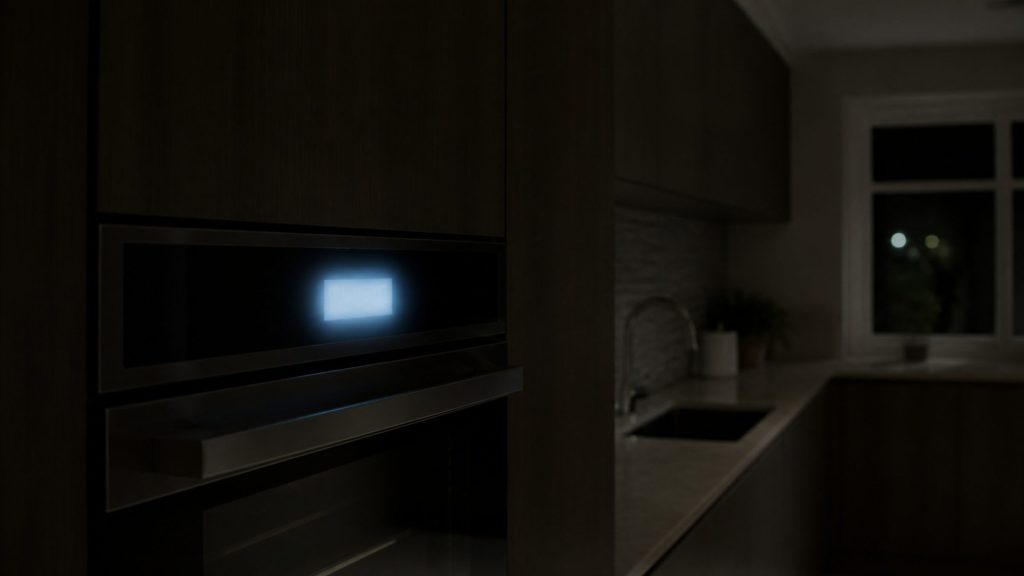
  • A built-in oven in a dark kitchen showing nothing but a small pale patch of light on its display
    Two boards, and only one is expensive

    Oven display not working

    A display gone blank, half-lit, or showing segments that make no sense. Before anybody quotes a control board it is worth knowing that most of these ovens have two, and that the one behind the display is usually the cheaper of the pair.

    What it usually means
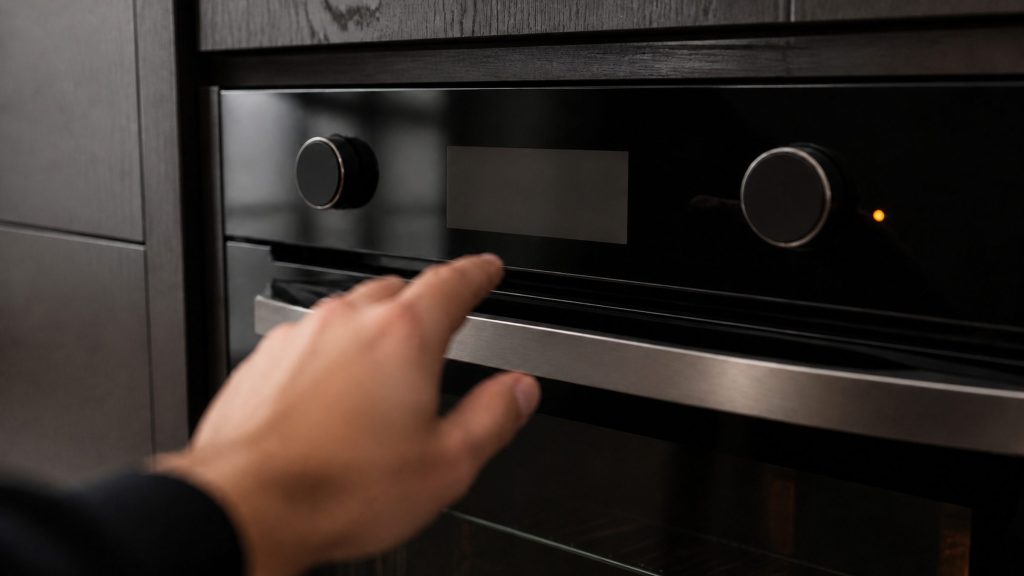
  • A close view of an unbranded oven control fascia in a dark kitchen with a small amber indicator lit and nothing legible on the display, a hand reaching toward it out of focus in the foreground.
    A sound with several meanings

    Oven beeping

    A beep on this make is not a code and does not translate to a number. It can be a timer nobody set, a door interlock, a control that has lost its settings, or an oven that genuinely wants attention — and the difference is in when it happens.

    What it usually means
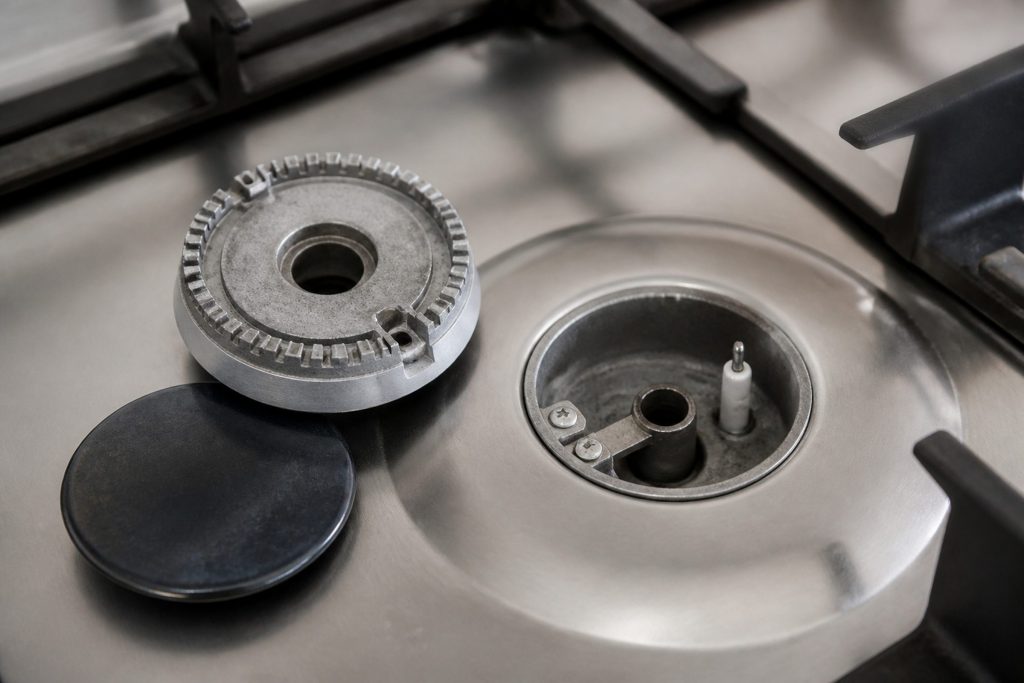
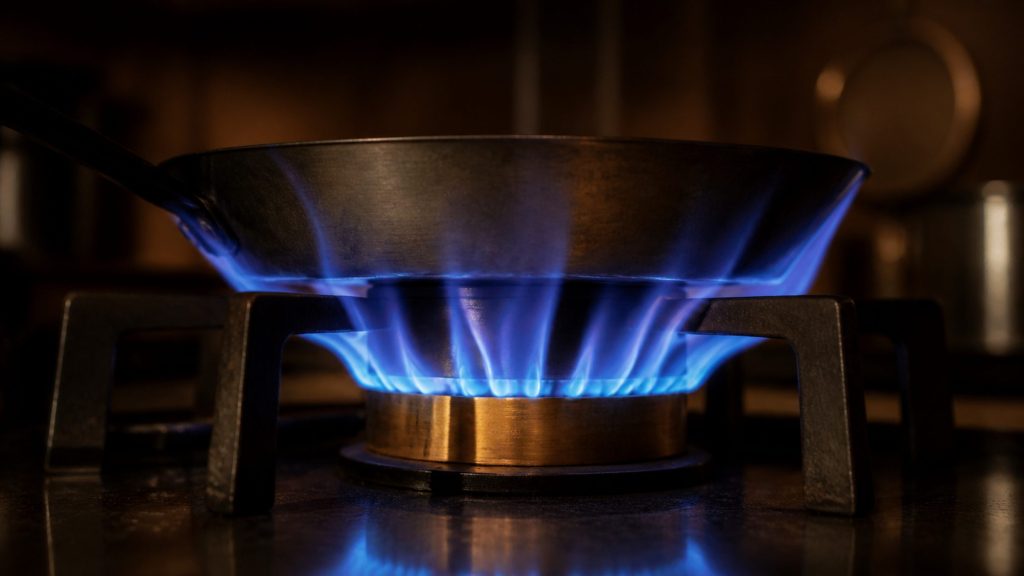
  • A gas burner with its cap and crown lifted off and set on the hob beside the open burner base
    Spark, gas, or seating

    Burner will not light

    It clicks and nothing catches, or one burner lights and the others do not, or there is no click at all. Nineteen of the thirty-four surfaces in this line are gas, and two of the four things that cause this cost nothing to put right.

    What it usually means
  • A close low view of a single brass gas burner running at a high flame under a small pan, the flames too tall for the setting and licking up the pan sides.
    The low flame goes first

    Burner will not hold a simmer

    A burner that is perfect on high and will not stay lit on low, or that goes out when the pan goes on. The simmer is where a marginal burner shows itself first, months before anything obvious happens at full heat — which makes this an early warning rather than a breakdown.

    What it usually means
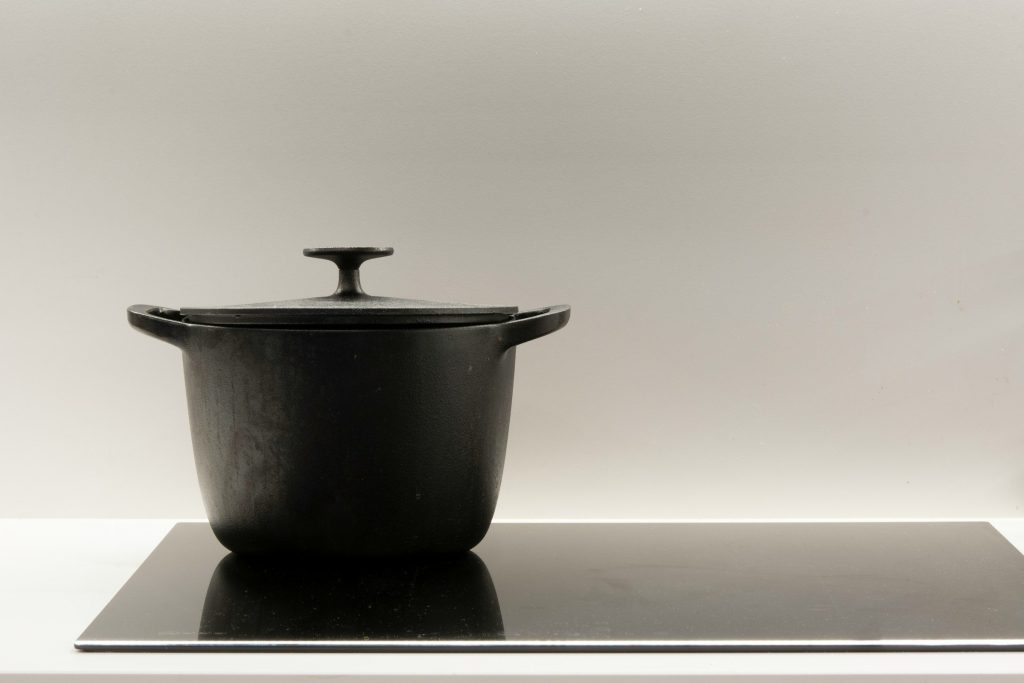
  • A heavy lidded casserole standing on an induction cooktop with the surrounding zones dark
    Usually the cabinet, not the cooktop

    Induction zone cutting out

    One zone stops mid-cook while the rest keep going, or the whole surface shuts down under load and comes back a few minutes later. Twenty-eight machines in this line are induction, and the cabinet under the counter is the answer far more often than the appliance is.

    What it usually means
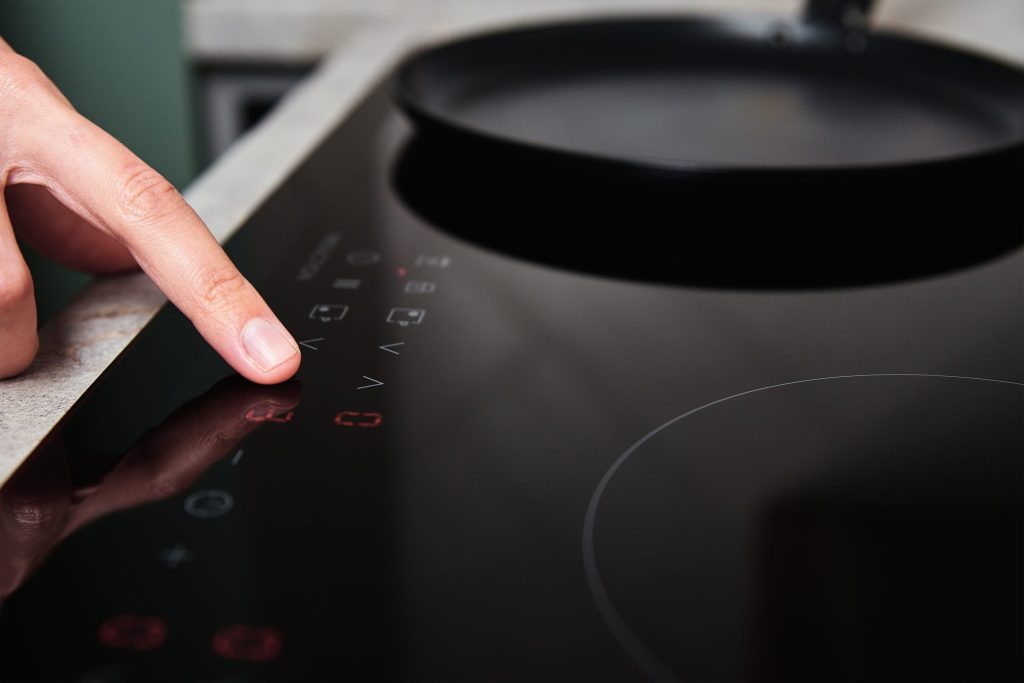
  • A finger pressing a touch control on a dark induction cooktop beside a pan
    Check the lock before the board

    Cooktop controls not responding

    A touch panel that answers some presses and not others, a knob that turns and does nothing, or a surface that ignores everything. A real share of these are a control lock or a wet panel, and both cost nothing to rule out.

    What it usually means
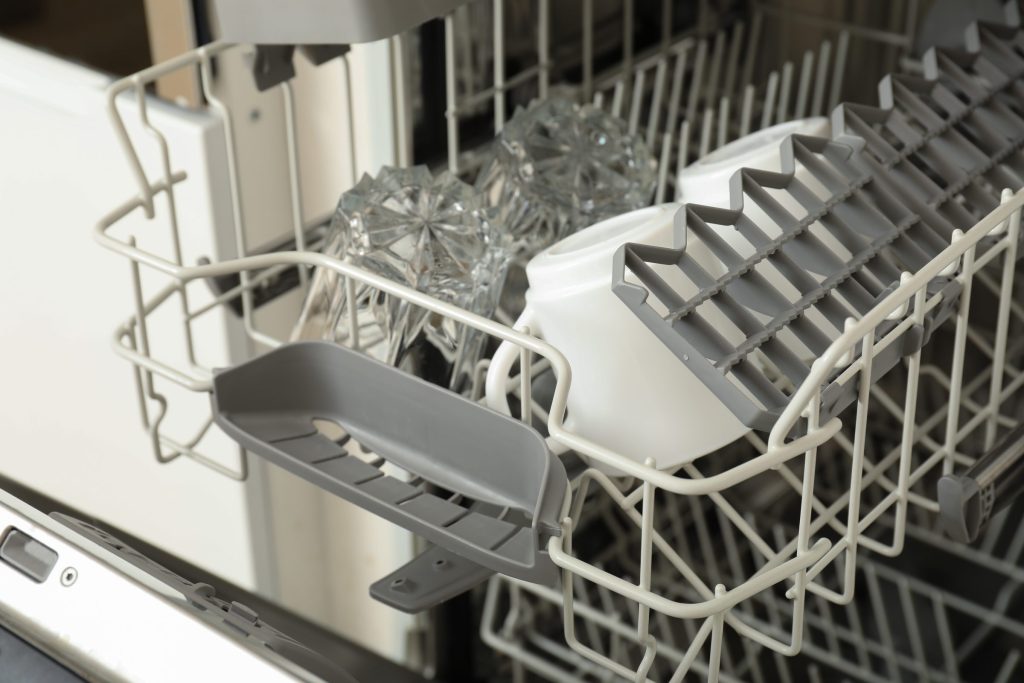
  • The lower basket of an open dishwasher with glasses in it and the tub floor visible below
    The code, then the filter

    Dishwasher not draining

    Water standing over the filter plate at the end of a cycle, or a machine that stops part-way. These dishwashers publish real codes — the only appliance in the line that does — and the answer is very often something you can see with the filter in your hand.

    What it usually means

If there is no code and no light

That is normal here, and it is not a dead end.

Most of this equipment has nothing to show you. What it has instead is behavior — a burner that lights and dies, an oven that browns on one side, a hood that sounds right and clears nothing — and that is a diagnosis, not a shrug. Tell us what it does and when it started.

About the codes

The questions this archive is asked

Where is the Bertazzoni error code list for my range?

There is not one, and that is the honest answer rather than an evasion. This maker publishes no code table for any range, rangetop, gas oven or hood in its current catalog — we read every manual its product pages link to in order to be sure. If a site is showing you a confident table of range codes for this make, somebody wrote it rather than found it.

Which appliances here do publish codes?

The dishwashers, which print F1 through F9 plus FF and HI, and part of the refrigeration, which prints E1, E2, E5, E6, E7, EH, EO and EE. Those are the two families where a number on the display genuinely shortens a repair.

My hood lights are flashing. Is that an error?

Almost certainly it is the filter alarm rather than a problem. Three hood families do it three different ways on this make — a flashing display item, a key that flashes at one rate for grease filters and a faster rate for charcoal, or a saturation alarm cleared from the speed-three key. Each of those has its own page here.

Should I clear the code before calling?

Write it down first, and photograph the display if you can. On an intermittent problem the code is often the only evidence there is, and clearing it erases the thing that would have told a technician where to start.

Does a code tell you which part to bring?

It narrows it, usefully, and it is not a part number. A dishwasher F5 says the pressure system rather than the pump; a refrigeration E1 says the sensing rather than the cooling. That is the difference between an accurate visit and a return trip, which is worth a great deal, but the measurement still happens on site.

In more detail

How to read a Bertazzoni display in Miami

Start with the machine, not the number. The two code sets on this make share a shape and mean entirely different things: the dishwashers use F followed by a digit, the refrigeration uses E followed by a digit or a letter, and there is no relationship between them beyond the alphabet. Every page in this archive names the appliance in its own title for that reason.

On the dishwashers the table is genuinely useful and the maker’s own instructions and ours agree. FF is water not arriving and the inlet hose filter is the first thing to clean. F2 is water not leaving, and the filter housing and the sump are where a large share of those calls end — both are removable by hand and neither needs a technician. F1 and F3 are the two that mean stop: an overflow and a machine filling when it should not, and the right response to either is to close the tap rather than to run another cycle. HI is not about the dishwasher at all — it is the electricity supply reaching it.

On the refrigeration the E-numbers are sensing problems, and the maker’s own note beside the table is worth repeating: the appliance will usually go on cooling and freezing while showing one. That makes them urgent in a different way — not “the food is at risk tonight” but “this machine has lost the ability to measure itself and will drift”. dr is not a problem at all: it is a door that has been open too long, and a machine showing it with the door apparently shut is describing an alignment problem rather than a sensor.

Everything else in this kitchen signals. The hoods flash when their filters are saturated, and each family does it differently enough that the pattern matters more than the fact. The water filters count days rather than measuring anything, which is why the counter has to be reset by hand after a change. And the gas equipment — the ranges this maker is known for, the gas ovens, the rangetops — says nothing whatsoever, forever. That is the shape of this make, and a site that pretended otherwise would be easier to write and worse to trust.
Tell us what it is showing, or what it is doing.

Either one is a starting point. You will have the scope and the price in writing before anything is opened.

This article is based on:

  • Official manufacturer documentation
  • Internal repair procedures
  • Technician repair history
  • Company quality standards
Call (305) 985-4136