
Safety & Risks
What Happens When Refrigerant Leaks From a Refrigerator
The safety answer first, because it is the one people are asking: the charge in a domestic refrigerator is small, and in a normal kitchen a leak from one is not a health emergency. Modern machines commonly use isobutane, which is flammable in quantity but present in tiny amounts, and the sensible response to a suspected leak is ventilation and no naked flames rather than evacuation. The practical answer is more useful. A sealed system is exactly that — sealed. It does not consume refrigerant, it does not need topping up, and it has no service ports for that purpose by design. So if a machine is low on refrigerant, it is leaking, and adding more buys a few months while leaving the problem untouched. Anybody offering to gas up your refrigerator without finding the leak is selling you a return visit. A real repair means recovering what is left, locating and fixing the leak, evacuating the system properly and recharging it by weight, and it is regulated work. On this site it starts at from $650, and on some machines the honest answer is that it is not worth doing.
The full guide
What happens when freon leaks from refrigerator? Less than you fear, and more than a top-up can fix
Two questions hide inside this one. The safety question is the one people type. The useful question is the one underneath it.
The safety answer
The charge in a domestic refrigerator is small — tens of grams, not kilograms.
Many current machines use isobutane, which is flammable in quantity. In the quantity a refrigerator holds, in a normal kitchen, a leak is not a health emergency. The sensible response is:
- ventilate the room;
- no naked flames while you do;
- do not run the appliance;
- book it.
It is not a reason to leave the house, and anybody telling you otherwise is either confusing it with a gas supply leak or selling something.
The answer that actually saves money
A sealed system does not consume refrigerant.
That sentence is the whole point of this page. The system is a closed loop — compressor, condenser, capillary, evaporator, back to the compressor — welded shut at the factory. Nothing is used up. There is no service interval. On most domestic machines there is not even a port to add gas through, because there is no legitimate reason to.
So: if it is low, it is leaking.
Which means adding more refrigerant is not a repair. It is a delay with a price on it. The machine cools for a few weeks or months, the gas escapes through the same hole, and you are back where you started — usually with a system that now has moisture or air in it as well, which makes the real repair harder.
If somebody offers to "gas up" your refrigerator without finding the leak, that is the moment to ask a second question.
What a real repair involves
Four steps, and they are why the figure is what it is:
- Recover what refrigerant is left. It is not vented to atmosphere.
- Find and repair the leak. Joints, the evaporator, a line passing through the cabinet. On coastal installations, corrosion is a genuine cause.
- Evacuate the system — pull it down to remove air and moisture, because both ruin a system that has been opened.
- Recharge by weight, to the figure on the appliance's own plate.
This is regulated work. It requires certification and equipment. On this site it starts at from $650, and it is the only repair here where we will argue against doing it.
The leak that cannot be repaired
A leak inside a foamed cabinet wall — where the tubing runs through the insulation — frequently cannot be reached at all.
You will be told that plainly rather than sold an attempt. It is the point at which the machine's value decides the answer, and on a small freestanding appliance the answer is usually replacement.
How to tell this apart from a defrost problem
They present similarly and they cost very differently, so it is worth knowing the rough test.
Defrost problem: the freezer still freezes, the refrigerator goes warm, and manually defrosting the machine for twenty-four hours makes it work again — for a few days.
Sealed system: the compressor runs constantly, neither compartment gets properly cold, and the condenser (behind or beneath the machine) stays cool when it should be warm. Manual defrosting changes nothing.
The first is a heater, a sensor or a fan, at from $185. The second is this page.
The cheapest thing you can do about any of it
Clean the condenser. Twice a year on this coast, more if you are near the water or have pets.
A condenser loaded with salt and dust makes the compressor work harder and hotter for years, and heat is what ages a sealed system. It is the least glamorous maintenance in the kitchen and it is the one that prevents the most expensive repair on this site.
If it turns out to be a repair
What this leads to, and what it costs
Every job on this site is priced the same way: an on-site diagnostic first, the figure agreed in writing before anybody starts.
-
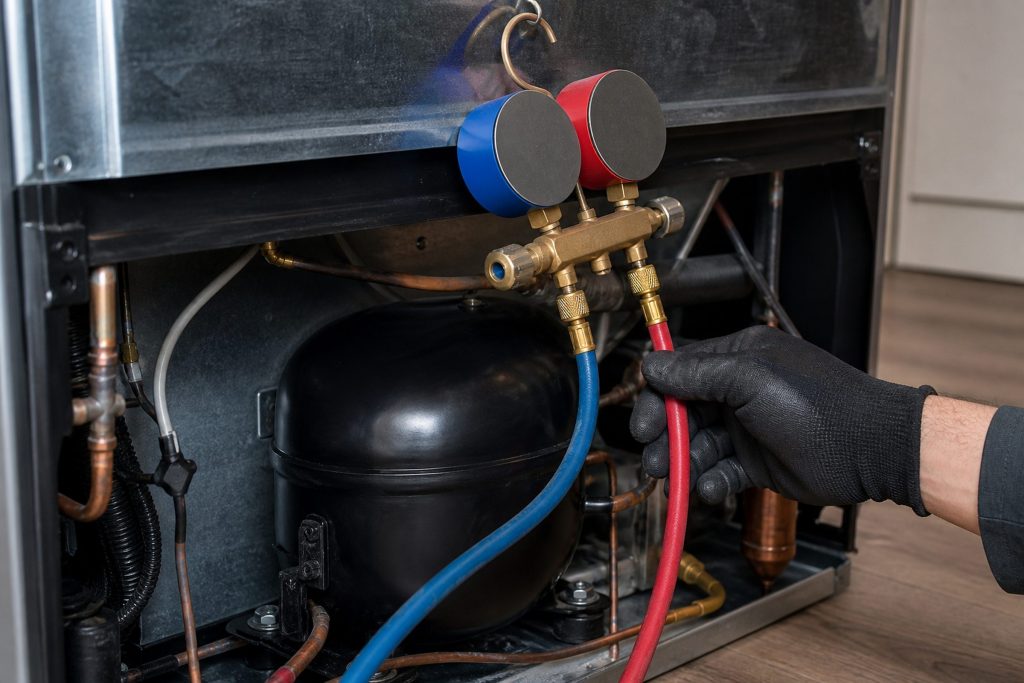
from $650 Refrigerator sealed system repair
Compressor, condenser, evaporator and the refrigerant between them. The expensive end of refrigeration, and the one job on this site where we will tell you plainly when a machine is not worth it — because on a freestanding unit it sometimes is not, and on a built-in column it almost always is.
- Only quoted after airflow and defrost have been ruled out
- A straight answer about whether the machine is worth the work
- Recovered, repaired, evacuated and weighed in — not topped up
-

Cold made, or cold not moved Refrigerator not cooling
The fresh food side warm while the freezer is cold, or both drifting together. Almost none of this is the compressor everybody fears — it is far more often a fan, a damper or a defrost cycle that is not completing.
- Fridge warm and freezer cold
- Both compartments drifting up together
- Running constantly and still not holding

Questions people ask about this
Is a refrigerant leak dangerous in the house?
In practical terms, no. The charge in a domestic machine is measured in tens of grams, not kilograms, and it disperses. Ventilate the room, avoid naked flames while you do, and do not use the appliance. What it is not is a reason to leave the house.
Can you just top it up?
No, and anybody who offers is not doing you a favor. A sealed system does not use refrigerant — if it is low it is leaking. Adding gas without finding the leak gives you a few months of cooling and the same repair to pay for again, usually with a contaminated system by then.
How do I know it is the sealed system and not defrost?
Often you cannot from the outside, which is what the diagnostic is for. The rough guide: a machine that recovers for a few days after being manually defrosted has a defrost problem; one that runs constantly, never gets cold and has a condenser that stays cool is pointing at the sealed system.
Where do leaks usually happen?
At joints, at the evaporator, and where a line passes through the cabinet. On coastal installations corrosion is a real cause. A leak inside a foamed cabinet wall is the bad case — it frequently cannot be repaired at all, and you will be told that rather than sold an attempt.
Is it worth repairing?
On a built-in column with matched cabinet panels, almost always — replacing one means matching an opening, a panel and a handle kit, and the appliance is rarely the whole cost. On a small freestanding machine it frequently is not. That conversation happens before the work, in plain numbers.
Why is it so expensive compared with everything else?
Because it is the only regulated repair on this site. Refrigerant is recovered rather than released, the system is opened, repaired, evacuated properly and recharged by weight, and that needs certification, equipment and time. It is also on a machine that usually has to come out of cabinetry.
Safety & Risks
More guides like this one
-
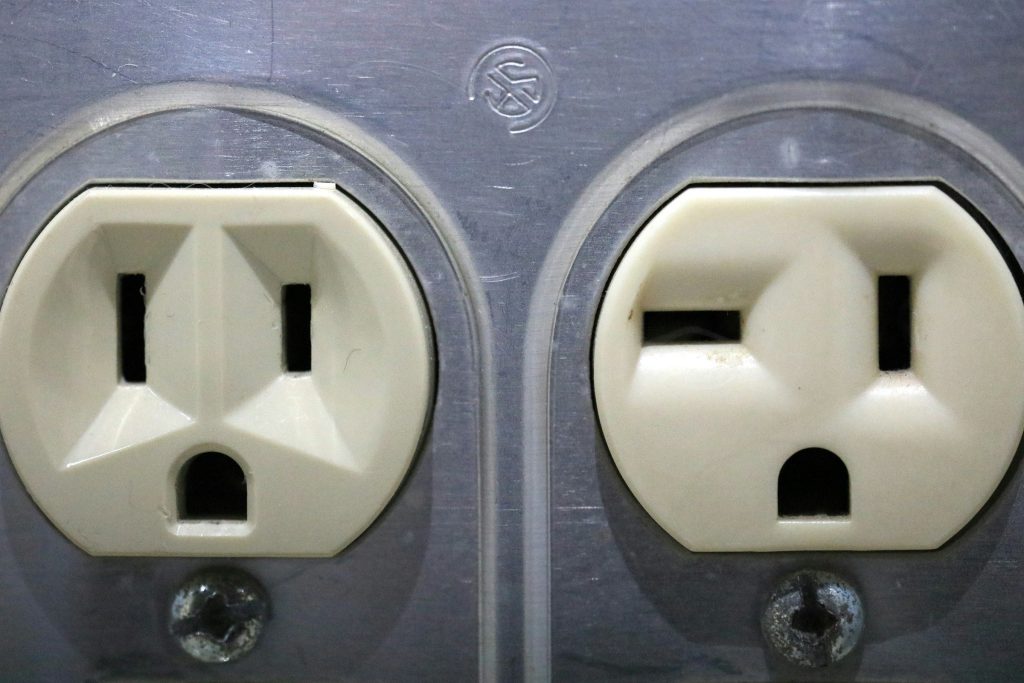
Oven Smells Like Burning Plastic: Which Smell Means Stop
Five different smells, five different causes, and only two of them mean switch it off at the breaker. A page that treats them all the same is no use to anybody.
Read more -
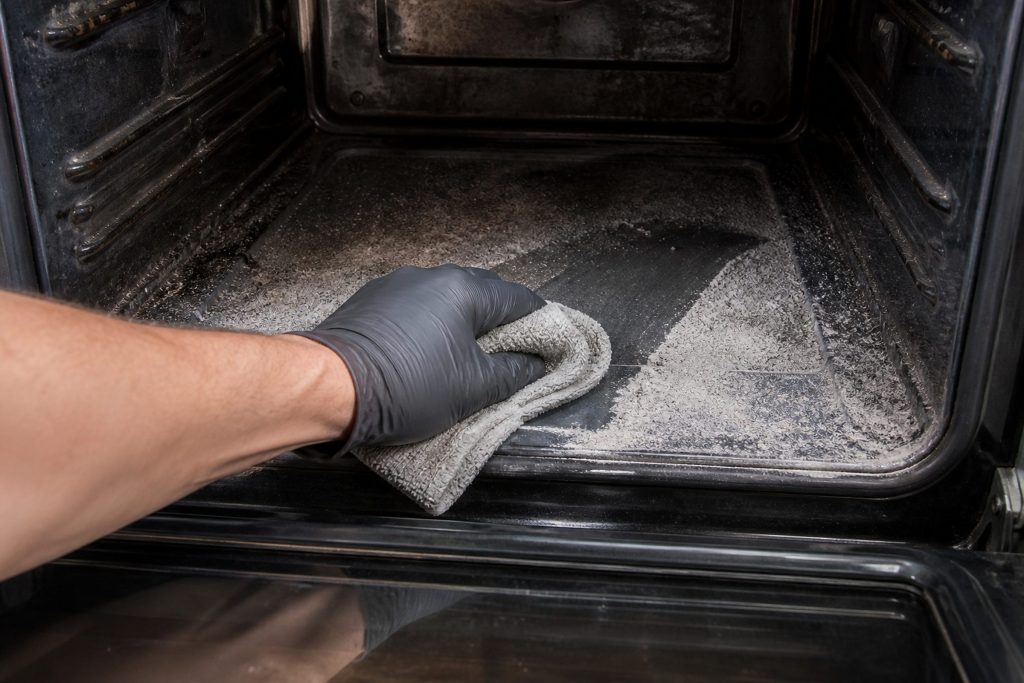
A Grease Fire Inside the Oven: What to Do and What Not to Open
Specifically the oven rather than the cooktop, because the correct action is the opposite one. The cavity is already a sealed box. Short page, because somebody reading it has minutes.
Read more -

Mold on a Refrigerator Door Seal: Cleaning It Without Ruining the Seal
A humidity problem this city produces year-round, and the advice everywhere else uses bleach — which hardens the rubber and turns a cleaning job into a gasket.
Read more
Tell us the model number and what it is doing.
This article is based on:
- Official manufacturer documentation
- Internal repair procedures
- Technician repair history
- Company quality standards