Maintenance & Prevention
Cleaning Bertazzoni Oven Door Glass — and the Way Round It Goes Back
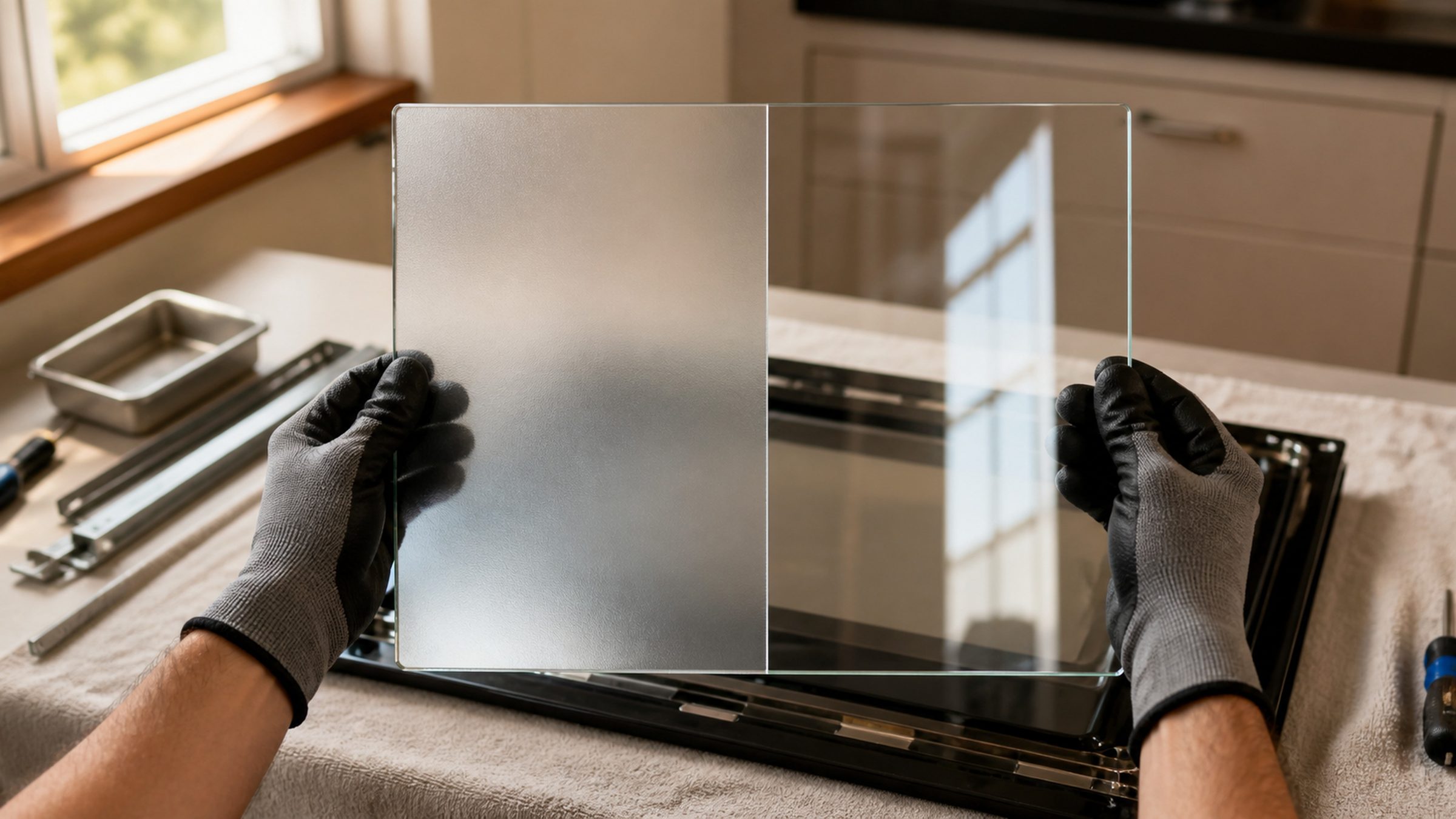
Clean it with hot water, a mild detergent and a soft cloth, and if you take the glass out, put it back shiny side out. That second part is the whole reason this page exists. The maker states it plainly: the glass has a special heat treatment on the side that faces the oven, and it is there to reflect heat back into the cavity. Installed the wrong way round, that treated surface faces the room, the pane absorbs heat instead of reflecting it, and it shatters. The glass is tempered, so when it goes it breaks into small rounded pieces rather than shards, which is a mercy rather than a reason to be relaxed about it. Mark the orientation before anything comes out — a piece of tape on the outer face is enough. For ordinary cleaning between the panes, most of what people are trying to reach is drips that ran down the inside of the outer pane, and on many machines a thin cloth over a flexible blade slid down the gap gets it without dismantling anything.
The full guide
How to clean Bertazzoni oven glass: gently, and put it back the right way round
The cleaning part is easy. The orientation part is the reason this page exists.
Shiny side out. Always.
The maker publishes this and almost no owner has read it.
The oven glass has a special heat treatment on the side that faces the cavity. Its job is to reflect heat back into the oven rather than let it pass through the door.
Put the pane back the wrong way round — treated side facing the room — and it absorbs that heat instead of reflecting it. Glass that absorbs heat it was not designed to absorb eventually shatters.
The glass is tempered, so when it goes it breaks into small rounded pieces rather than long shards. That is a genuine safety feature and it is not a reason to be casual: you have still lost the pane, and there is still glass across the kitchen floor.
Before anything comes out of the door, put a piece of tape on the outer face. That is the entire precaution and it takes five seconds.
The matte or opaque side goes toward the oven. The shiny side faces you.
The cleaning itself
Hot water, a mild detergent, a soft cloth. For burnt-on residue, a damp cloth left in place for twenty minutes does more than scrubbing and does not touch the coating.
Glass cleaner on the outer face only, sprayed onto the cloth rather than at the door, so nothing runs down into the gap between the panes.
Nothing abrasive, and nothing with a blade on the cavity side. There is a coating there and it is not decorative.
Reaching between the panes without dismantling anything
Most of what people are chasing between the panes is not baked-on soil. It is drips that ran down the inside of the outer pane — usually from something that boiled over onto the door channel and wicked in.
On many of these doors there is a narrow gap along the bottom. A microfiber cloth wrapped over a thin flexible blade, slid down and drawn side to side, reaches most of it. It is not elegant and it works.
If you cannot reach it that way, the honest answer is that the door has to come apart, and that is a job with a heavy door, spring-loaded hinges and a pane you must not put back backwards.
The haze that is not dirt
Worth knowing before you attack it.
The treated coating looks like a faint even haze. If what you are seeing is uniform across the whole pane and does not change no matter what you do, that is the coating doing its job — and scrubbing at it is the one way to genuinely damage it.
Residue is patchy, has edges, and softens with a hot damp cloth. Coating is even and does not.
If you do take the door off
Two things, and then a recommendation.
The oven must be completely cool. Not warm.
The hinges are under spring tension and the door is heavier than it looks. Follow the manual's procedure for your model rather than a general one, because the hinge lock varies.
And the recommendation: if the reason you are taking the door apart is that the oven is not holding temperature, look at the seal before the glass. A gasket that has hardened lets heat out steadily and it looks like nothing at all, and it is one of the cheaper repairs in the kitchen.
If it turns out to be a repair
What this leads to, and what it costs
Every job on this site is priced the same way: an on-site diagnostic first, the figure agreed in writing before anybody starts.
-
from $165 Oven door & self-clean lock repair
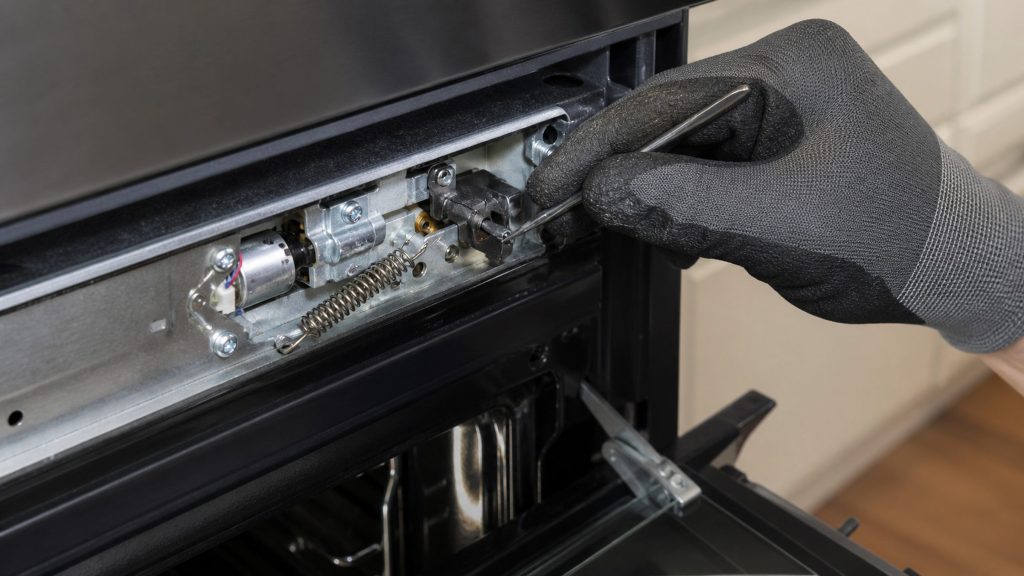
A door that will not close square, hinges that have given up under a heavy door, or a lock that engaged for a clean cycle and never let go. Eight of these ovens self-clean, and the post-clean lock is the single most common reason people call about an oven door.
- Give a locked door time to cool before anything is forced
- Hinges and springs replaced in pairs, because they wear together
- The seal checked at the same time — it is the reason the door matters
-
Single · Double · Speed oven · Steam · Self-clean · 24" · 30" Wall ovens
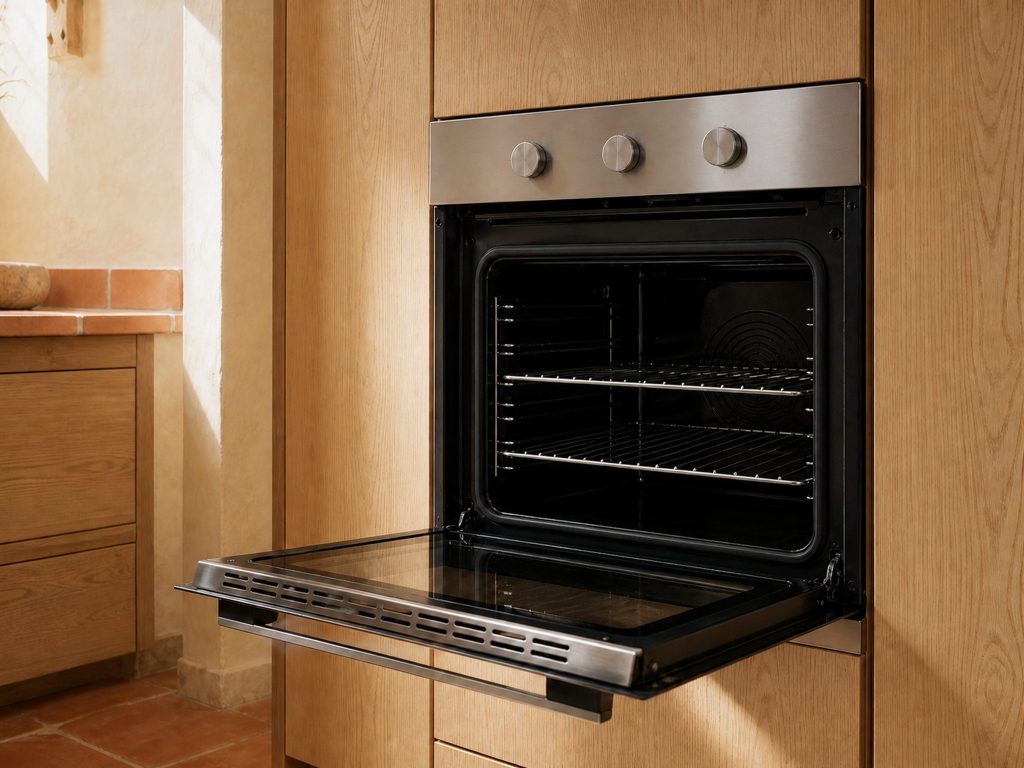
Eighteen built-in ovens, and they are not all the same machine. Five are speed ovens — a microwave and a convection oven sharing one cavity — five cook with steam, eight self-clean, and three carry the maker's own guided cooking. Two are doubles. What they have in common is that they are built into cabinetry, which decides how a repair starts: the oven comes forward before anything else happens.
- An oven that will not reach temperature, or overshoots it
- A door that locks after a clean cycle and stays locked
- A speed oven that heats on convection but no longer on microwave
Questions people ask about this
Which side of the oven glass faces in?
The matte or opaque side faces the cavity; the shiny side faces the room. The maker is explicit about it, because the treatment on the cavity side is what reflects heat back into the oven. Fitted the other way round, the pane absorbs that heat and eventually breaks.
What happens if it does break?
The glass is tempered, so it breaks into small rounded pieces rather than long shards. That is a real safety feature and it is not a reason to treat the orientation casually — you still lose the pane, and you still have glass through the kitchen.
How do I clean between the panes without taking the door apart?
On many of these there is a narrow gap at the bottom of the door. A microfiber cloth wrapped over a thin flexible blade, slid down and drawn across, reaches most of what is actually there — which is usually drips that ran down the inside of the outer pane rather than baked-on soil.
Can I use glass cleaner?
On the outer face, sparingly and on the cloth rather than sprayed at the door, so nothing runs into the gap. On the cavity side, hot water and a mild detergent is better: ammonia-based cleaners and the coatings inside an oven are not good company.
There is a haze on the inside that will not come off.
Two possibilities. Burnt-on residue, which softens with a hot damp cloth left on it for twenty minutes rather than with pressure. Or the treated coating itself, which looks like haze and is meant to — if it is even across the whole pane and does not change with cleaning, leave it alone.
Should I take the door off to do this?
Only if you are confident with the hinge mechanism, and never with the oven warm. Oven doors are heavier than they look and the hinges are under spring tension. It is one of the more common ways people hurt themselves doing a job that was going to be inexpensive.
Maintenance & Prevention
More guides like this one
-
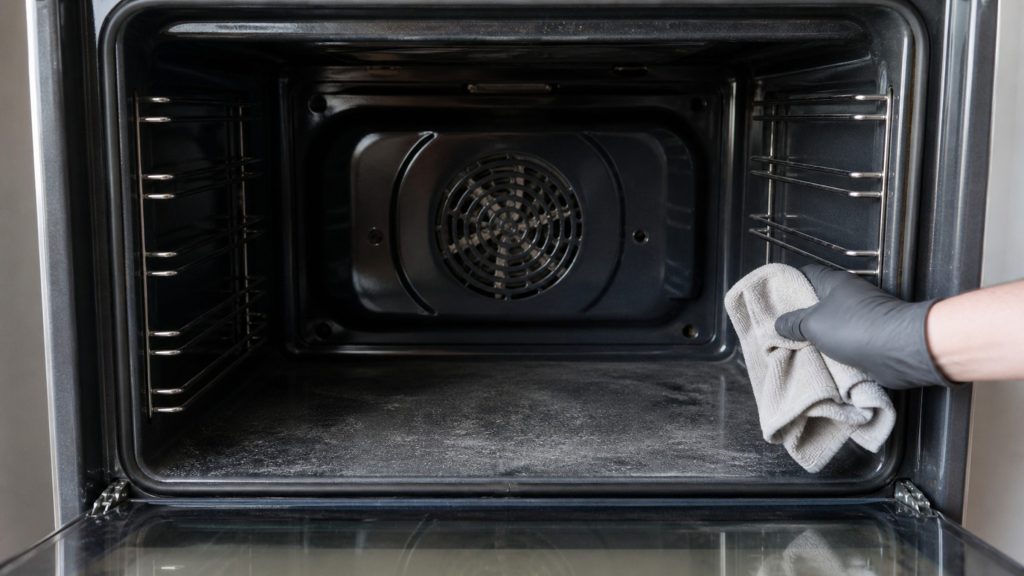
Cleaning a Bertazzoni Oven Without Costing Yourself a Repair
Cleaning products and the self-clean cycle are the two commonest owner-caused failures on this equipment. Here is what to use, what to keep away, and what a clean cycle does to the rest of the appliance.
Read more -
Clearing a Refrigerator Drain Hole Before It Becomes a Puddle
Water inside the cabinet and water on the floor are the same problem seen from two places, and the fix is ten minutes with warm water rather than a service call.
Read more -
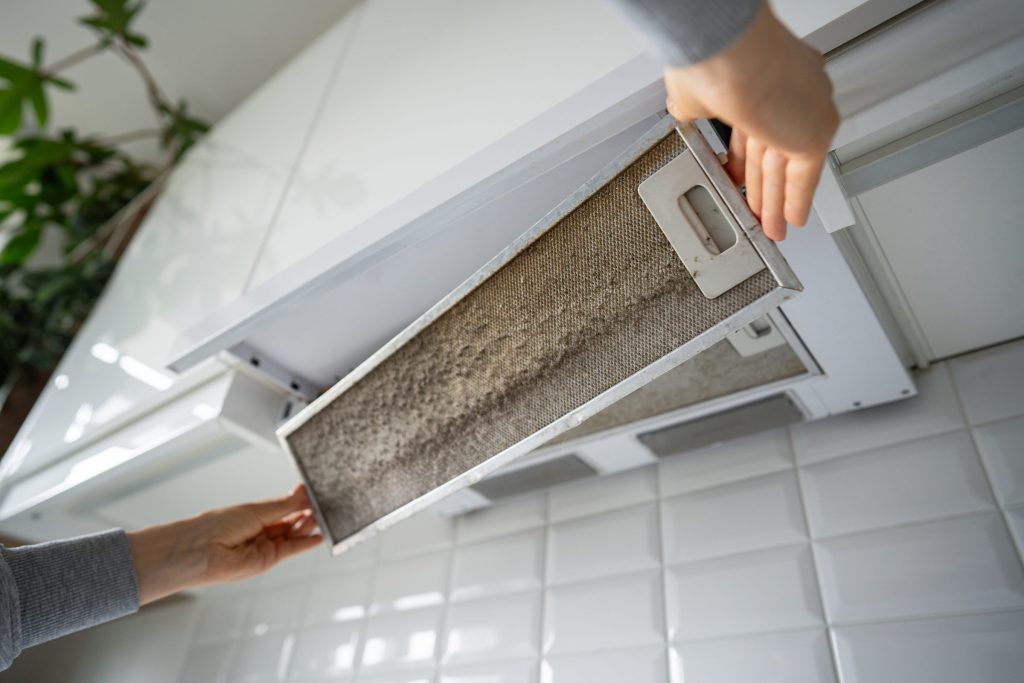
How Often to Clean a Range Hood Filter, and How the Hood Tells You
This maker signals filter saturation three different ways across three hood families, and on one of them the flash rate is what distinguishes grease from charcoal. Nobody else can write this page.
Read more
Tell us the model number and what it is doing.
This article is based on:
- Official manufacturer documentation
- Internal repair procedures
- Technician repair history
- Company quality standards