Maintenance & Prevention
Clearing a Refrigerator Drain Hole Before It Becomes a Puddle
Find the small opening at the bottom of the rear wall inside the compartment, clear it with warm water rather than with anything rigid, and check the pan underneath afterwards. Every frost-free refrigerator defrosts itself on a cycle, and the melt water from that has to go somewhere: down the back wall, into a drain hole, along a tube, and into a shallow pan near the compressor where the heat of the machine evaporates it. When the hole or the tube blocks, that water has nowhere to go and shows up in one of two places — a shallow pool under the crisper drawers, or water on the kitchen floor once the pool overflows the liner. Both are the same problem. Warm water poured slowly into the hole is usually enough, and where it is not, a length of soft tubing or a pipe cleaner worked gently down clears it. What not to use is anything rigid or sharp: the tube behind that hole is thin, it is not repairable in place, and puncturing it turns a ten-minute job into a real one. In this climate the drain silts up faster than elsewhere because the machine defrosts more often.
The full guide
How to clean refrigerator drain hole: warm water, and nothing rigid
Water under the crisper drawers and water on the kitchen floor are usually the same problem, seen at two different stages.
Where the water is supposed to go
Every frost-free refrigerator defrosts itself on a cycle. It has to: the evaporator behind the freezer wall collects frost, and frost blocks the airflow that moves cold around the cabinet.
So a heater runs periodically, the frost melts, and that melt water follows a path:
down the rear wall → into a drain hole → along a tube → into a shallow pan near the compressor, where the heat of the running machine evaporates it away.
Nothing about that path is glamorous, and all of it is invisible until it stops working.
What a blockage looks like
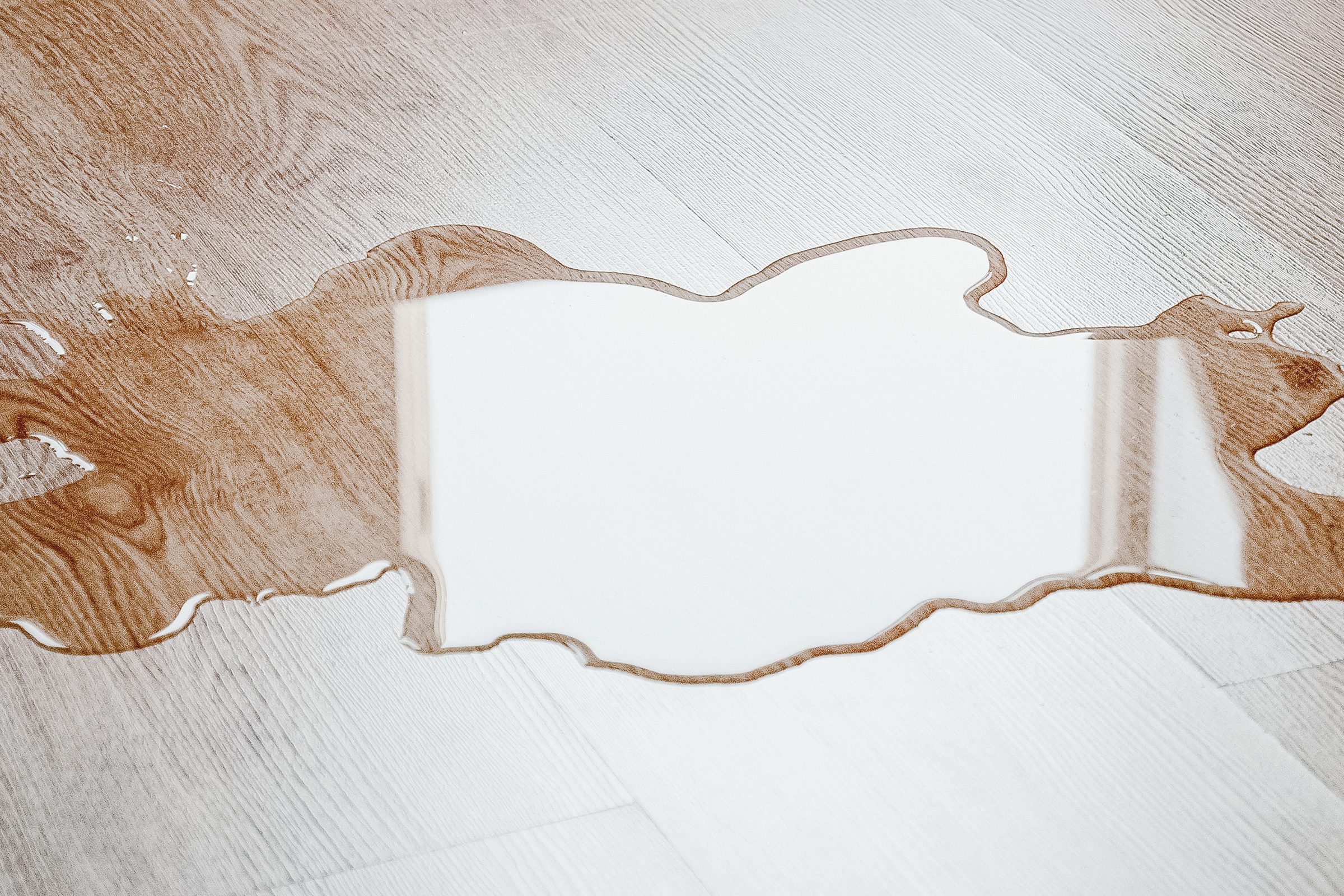
Stage one: a shallow pool under the crisper drawers. Often blamed on a leaking container.
Stage two: the pool reaches the front edge of the liner and runs out under the door onto the floor.
Same problem. The second is just the first, later.
Why it happens faster here
South Florida gets more of these than anywhere cooler, for a straightforward reason.
Every time the door opens, humid air comes in. That moisture ends up as frost on the evaporator, which means the machine defrosts more often, which means more water passes down that drain every week — carrying more of what it picks up on the way.
Add food particles and mineral in the water, and a drain silts up in a year or two rather than a decade.
Clearing it
- Take out the crisper drawers and find the hole — bottom of the rear wall, often in a shallow molded channel, sometimes under a small cover or a rubber flap.
- Mop out the standing water, so you can see what is happening and so you will know later whether it has come back.
- Pour warm water in slowly. Warm, not hot. If it drains away, that was the job.
- If it does not, work a length of soft tubing or a pipe cleaner down gently.
- Check the pan underneath an hour later — a shallow tray near the compressor at the back or beneath the machine. Damp is right.
Nothing rigid. No skewers, no straightened coat hangers, no screwdrivers. The tube behind that hole is thin-walled, it runs where you cannot reach, and it is not repairable in place. Puncturing it turns a ten-minute job into a real repair.
And no drain cleaner. It has no business inside a food compartment and it will attack the tube.
What this is not
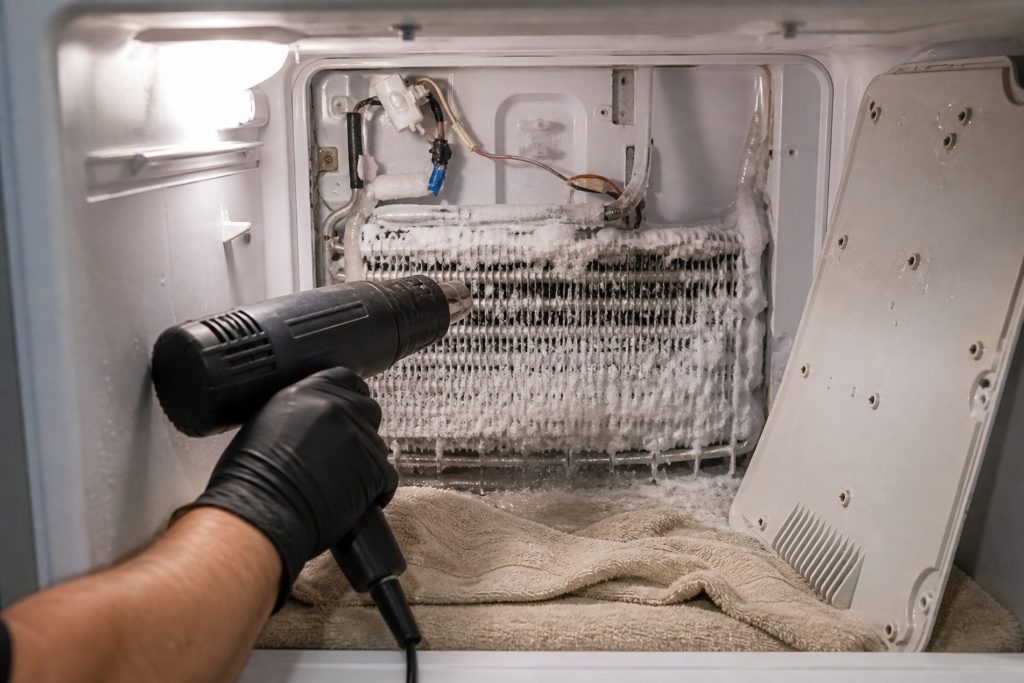
Ice on the back wall instead of water is a different and more expensive problem. Frost building up points at the defrost system — a heater, a sensor, or the control that runs them — rather than at the drain. A blocked drain gives you liquid water in the wrong place; a failed defrost gives you ice in the right one.
Water at the front only, with the inside dry, may be the evaporation pan overflowing or a supply line to the ice maker or dispenser. Check inside the cabinet first; that settles it most of the time.
How often
Once a year is plenty for most kitchens, and it sits naturally alongside cleaning the condenser — which on this coast wants doing twice.
If you have already had one blockage, do it every six months for a while. A drain that has silted once tends to repeat until it has been properly cleared.
If it turns out to be a repair
What this leads to, and what it costs
Every job on this site is priced the same way: an on-site diagnostic first, the figure agreed in writing before anybody starts.
-
from $185 Refrigerator cooling & defrost repair
The fresh food side warm while the freezer is cold, frost building where it should not, or a machine running constantly and still not holding. Almost none of this is the compressor, which is the part everyone fears — it is far more often a fan, a damper or a defrost circuit.
- Airflow separated from cooling before any sealed-system talk
- The defrost circuit tested as heater, thermostat and control
- Condenser and seals checked first, because both are free
-
Freestanding · Built-in · Columns · French door · Bottom mount · Panel ready Refrigerators
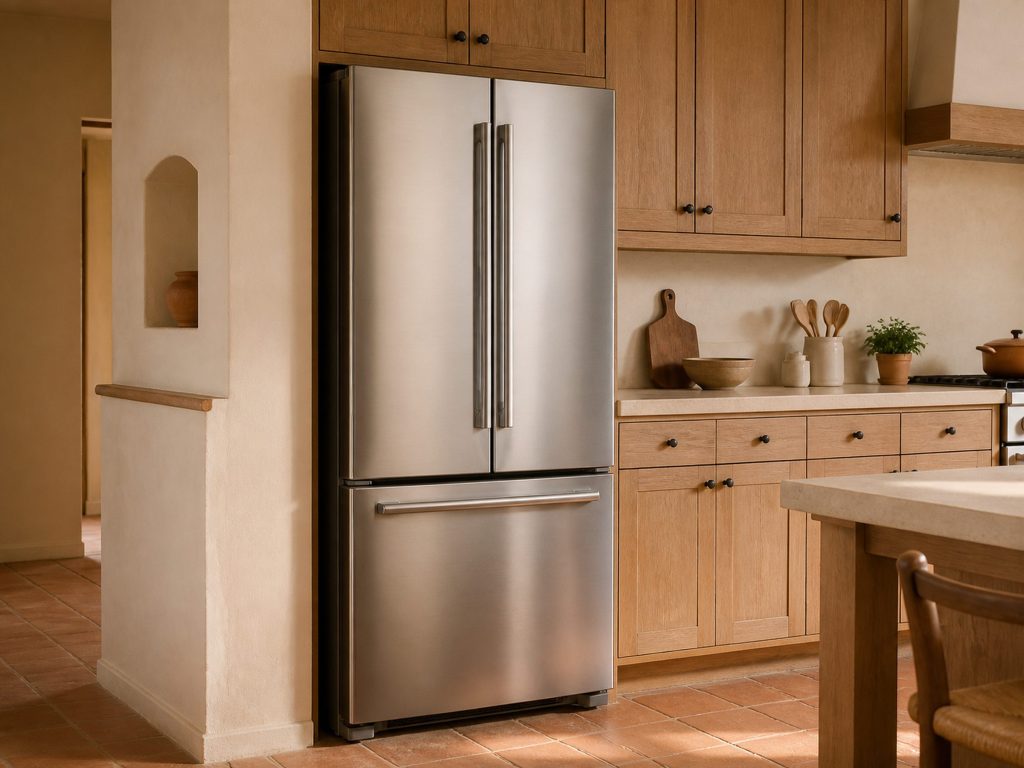
Thirty refrigerators, and they divide sharply: seventeen freestanding machines that can be pulled out into the room, eleven built-in, and five columns that live behind your own cabinet fronts. Twelve are French door, thirteen bottom mount. Which of those you have decides almost everything about how the visit goes — a column comes apart before it can be diagnosed, and a freestanding bottom mount does not.
- A refrigerator that is not holding temperature while the freezer is fine
- Water on the floor of the fresh food compartment
- An ice maker that has stopped, or fills and will not release

Questions people ask about this
Where is the drain hole exactly?
At the bottom of the rear wall inside the fresh-food compartment, usually behind or beneath the crisper drawers, often in a shallow channel molded into the liner. On some machines there is a small cover or a rubber flap over it. Take the drawers out and you will find it.
Why does it block?
A mixture of food particles, mineral from the melt water, and in this climate biological growth — the drain is damp, dark and at a temperature that suits it. South Florida machines defrost more often because more humid air enters every time the door opens, so more water passes through the drain and it silts up faster.
Water is on the floor, not in the fridge. Same problem?
Usually yes, and it is the later stage of it. The pool inside the liner grows until it finds the front edge, and then it runs out under the door. Water on the floor can also be the evaporation pan overflowing or a supply line, so check inside the cabinet first — that answers it most of the time.
Can I use bleach or a drain cleaner?
No. Drain cleaner has no business inside a food compartment and will attack the tube. If you want to sanitize after clearing it, warm water with a very mild detergent and then plenty of clean water is enough.
There is ice building up at the back instead of water.
That is a different problem and a more expensive one. Ice on the back wall points at the defrost system — a heater, a sensor or the control — rather than at the drain. A blocked drain gives you liquid water; a failed defrost gives you frost.
How often should this be done?
Once a year is plenty for most kitchens, and it fits naturally alongside cleaning the condenser. If you have had one blockage, do it every six months for a while — a drain that has silted once tends to do it again until it has been properly cleared.
Maintenance & Prevention
More guides like this one
-
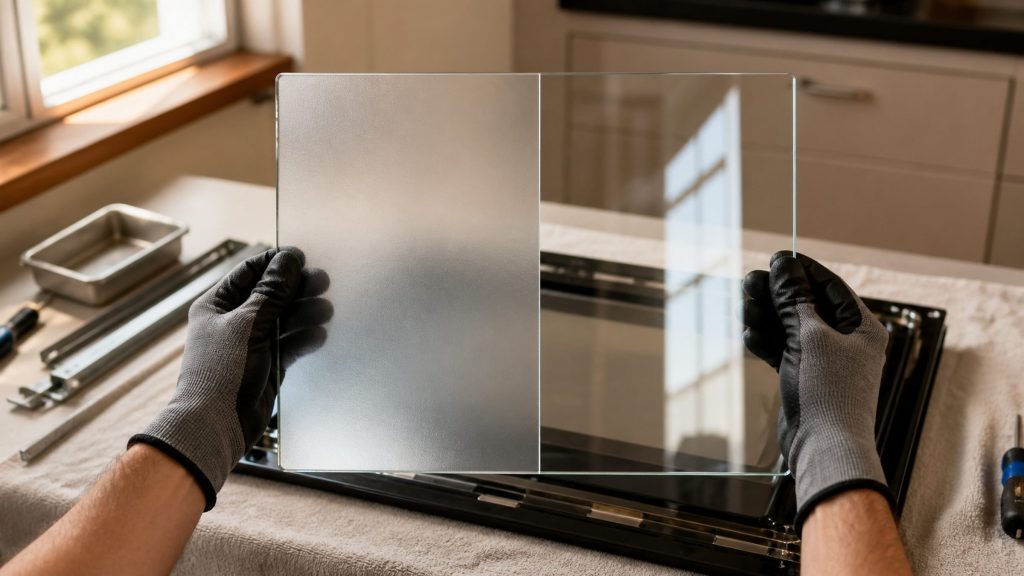
Cleaning Bertazzoni Oven Door Glass — and the Way Round It Goes Back
The maker publishes a warning almost no owner has read: the inner pane is heat-treated on one side and must go back shiny side out, or it absorbs heat and shatters.
Read more -
Cleaning a Bertazzoni Oven Without Costing Yourself a Repair
Cleaning products and the self-clean cycle are the two commonest owner-caused failures on this equipment. Here is what to use, what to keep away, and what a clean cycle does to the rest of the appliance.
Read more -
How Often to Clean a Range Hood Filter, and How the Hood Tells You
This maker signals filter saturation three different ways across three hood families, and on one of them the flash rate is what distinguishes grease from charcoal. Nobody else can write this page.
Read more
Tell us the model number and what it is doing.
This article is based on:
- Official manufacturer documentation
- Internal repair procedures
- Technician repair history
- Company quality standards