Maintenance & Prevention
Cleaning a Bertazzoni Induction Cooktop Without Scratching It
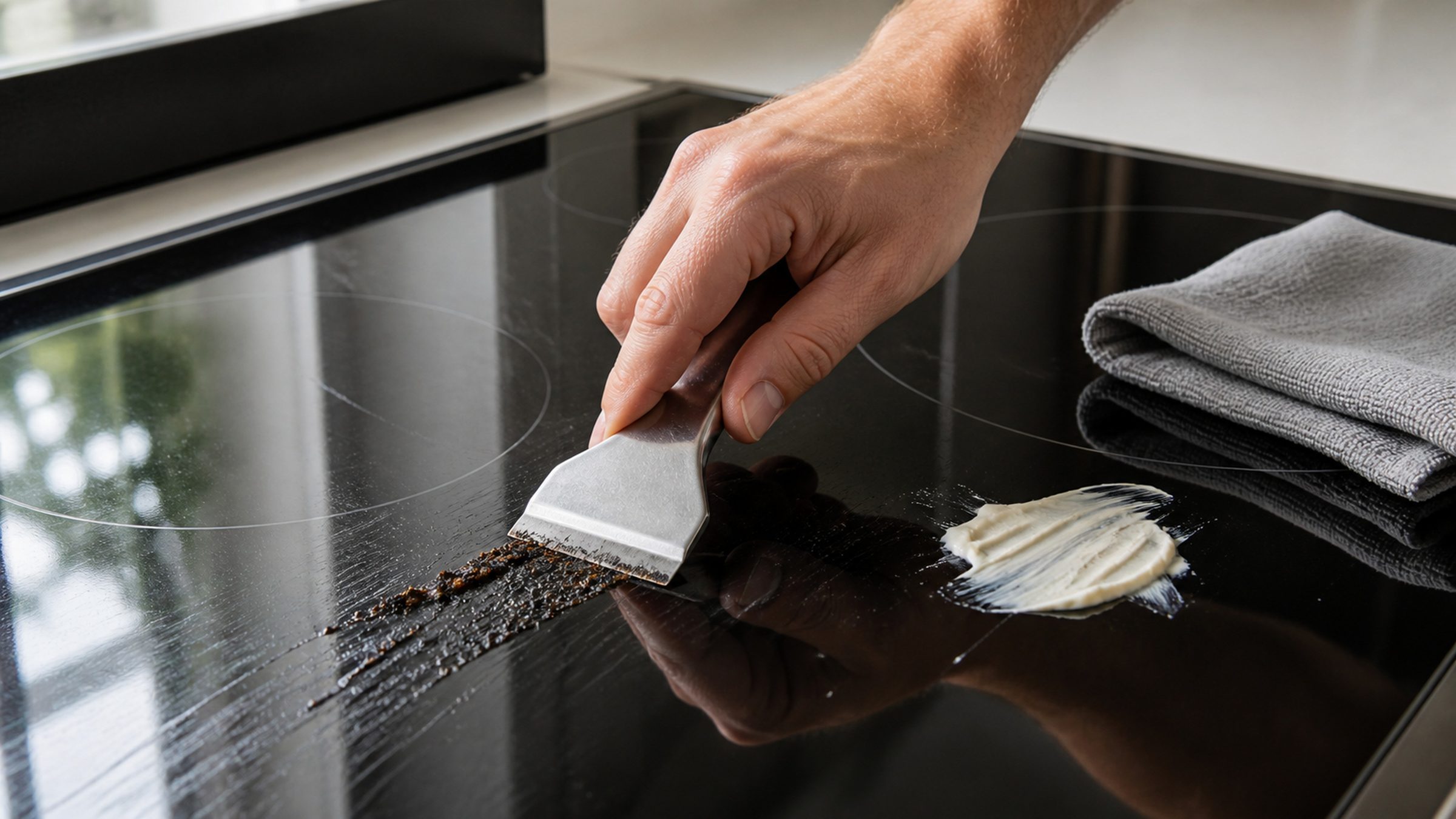
For everyday soil, wait until the surface is cool, then use a dedicated cooktop cream and a soft cloth or paper towel, finishing with a clean dry cloth so nothing is left to bake on next time. The exception matters more than the rule: anything sugary — jam, syrup, a boiled-over sweet sauce, melted plastic — has to come off while the surface is still hot, because sugar cooling on ceramic glass bonds to it and can take a pit out of the surface when it finally lets go. Use a cooktop scraper held at a shallow angle and take it off immediately, with an oven glove and care. For everything else, the scraper is also the safest tool rather than the most aggressive one: held nearly flat it lifts burnt residue without any of the rubbing that a pad does, and rubbing is what scratches. Keep abrasive pads, steel wool, oven cleaner and anything gritty away entirely. A wet surface can also lock the controls on some models, which is not a problem — dry it and they come back.
The full guide
How to clean Bertazzoni induction cooktop: cool surface, cooktop cream — except for sugar
Twenty-eight appliances in this line induce rather than burn, and the surface they all share is a ceramic glass that is tougher than it looks and easier to spoil than people expect.
The exception first, because it is the one that costs money
Anything sugary comes off while the surface is still hot.
Jam, syrup, a boiled-over sweet sauce, and — for the same reason — melted plastic.
Sugar cooling on ceramic glass bonds to it. When it eventually comes off, it can take a small piece of glass with it, leaving a pit. That pit does not go away, it collects soil forever, and it is exactly the kind of surface flaw a later crack starts from.
So: oven glove, cooktop scraper at a shallow angle, off immediately, and do not wait for it to cool.
Almost every general guide to cleaning a glass top says "always let it cool first". For sugar, that advice is wrong.
Everything else: cool, cream, cloth
- Let it cool.
- A dedicated cooktop cream — not a general kitchen spray, not an all-purpose cleaner.
- Soft cloth or paper towel.
- Finish with a clean dry cloth, so nothing is left to bake on next time.
That is the whole routine and it takes two minutes.
The scraper is the gentle tool, not the aggressive one
This surprises people.
What scratches ceramic glass is rubbing something gritty back and forth over a wide area — an abrasive pad, a scouring cream, a cloth with a crumb of burnt food caught in it.
A clean scraper blade held nearly flat lifts burnt residue off in one movement, with no rubbing at all. It is the tool the surface is designed for.
Use a fresh blade, and never one that has been used on anything else.
Keep away entirely
Abrasive pads and scouring creams. They scratch, and a scratched top holds soil worse forever.
Steel wool. Particles, rust, scratches.
Oven cleaner. It attacks the printed zone markings and any trim around the glass, and on a range it will find the brass or anodized parts nearby.
Anything gritty on a cloth. Shake the cloth out first.
The wet panel that locks itself
If the controls stop responding part-way through cleaning: that is water on the touch panel, and it is designed behavior.
Touch controls sense a change in capacitance. A film of water looks like a finger to them — many fingers, at once — so rather than doing something unpredictable the cooktop locks itself out.
Dry the panel. They come back. Nothing is broken.
Pans, which are where scratches actually come from
Not cleaning. Pans.
Sliding rather than lifting, especially cast iron. A base that has gone rough with age. A base that has become concave, which rocks on the zone, concentrates load at two points, and induces less efficiently into the bargain.
Turn a favorite pan over occasionally and put a straight edge across it. A base that does not sit flat is doing two kinds of damage at once.
The marks that will not come off
White rings and cloudiness are usually mineral from hard water rather than burnt food, and cooktop cream lifts them where a general cleaner will not. South Florida water leaves plenty of it.
A mark that is under the glass rather than on it — a printed zone marking that has worn, or discoloration in the coating — nothing will touch, and scrubbing at it only damages the surface around it.
If it turns out to be a repair
What this leads to, and what it costs
Every job on this site is priced the same way: an on-site diagnostic first, the figure agreed in writing before anybody starts.
-
Induction · Sealed gas · Brass burners · Rangetops · 24" · 30" · 36" · 48" Cooktops and rangetops
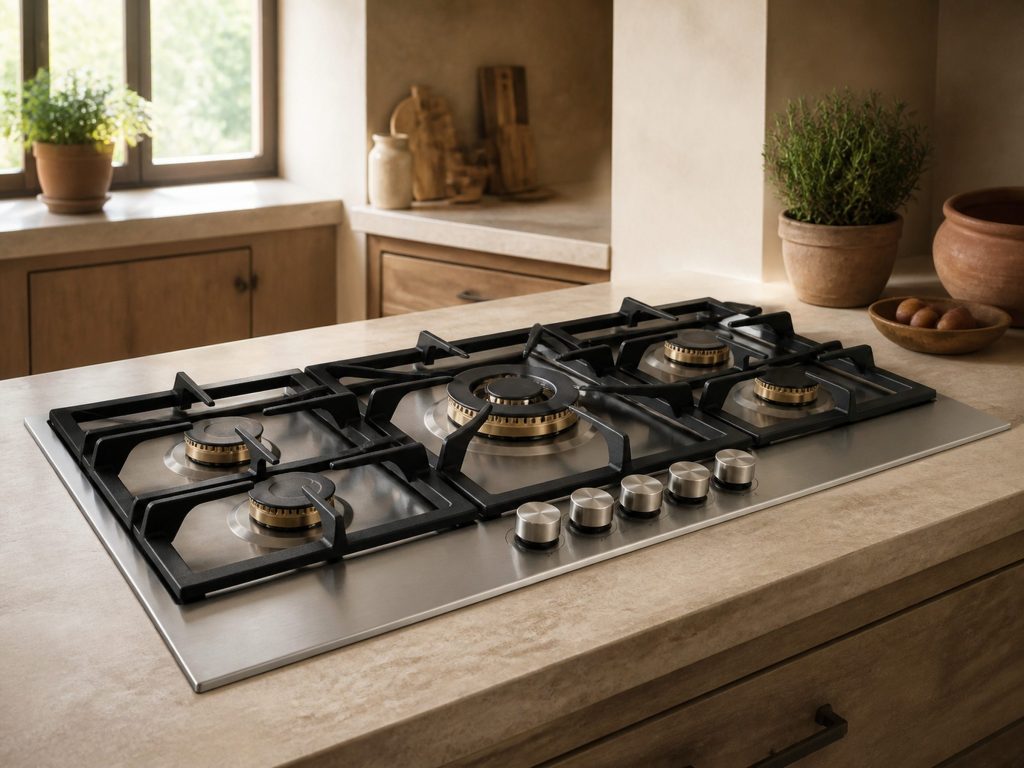
Thirty-four surfaces: nineteen gas, fifteen induction, and nine of them rangetops rather than cooktops — the same repair under a different word. Ten run the same brass burners as the ranges. The induction tops publish no code table — the maker issues installation sheets for them and nothing more — so what settles an induction call is the cabinet underneath and whether its boards can shed their heat.
- One induction zone cutting out while the rest keep going
- A gas burner clicking without catching, or dropping out on simmer
- A code on the induction panel that comes back after the power is cycled
-
Usually the cabinet, not the cooktop Induction zone cutting out
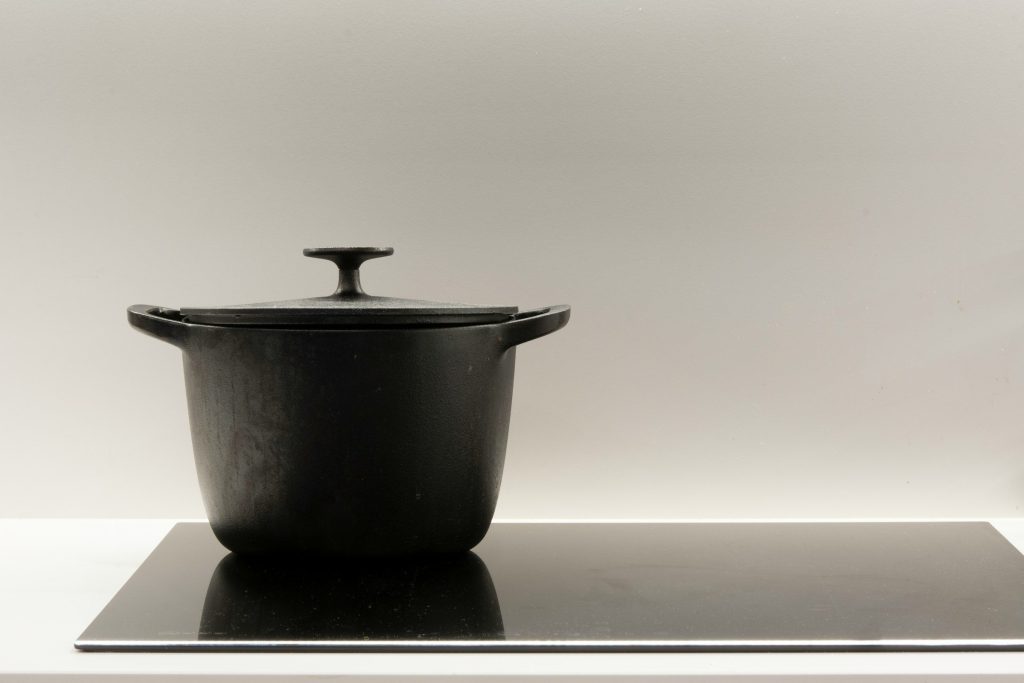
One zone stops mid-cook while the rest keep going, or the whole surface shuts down under load and comes back a few minutes later. Twenty-eight machines in this line are induction, and the cabinet under the counter is the answer far more often than the appliance is.
- One zone quitting while the others carry on
- A code that clears and returns
- It happens with a big pan and not a small one
-
from $295 Cooktop glass replacement cost
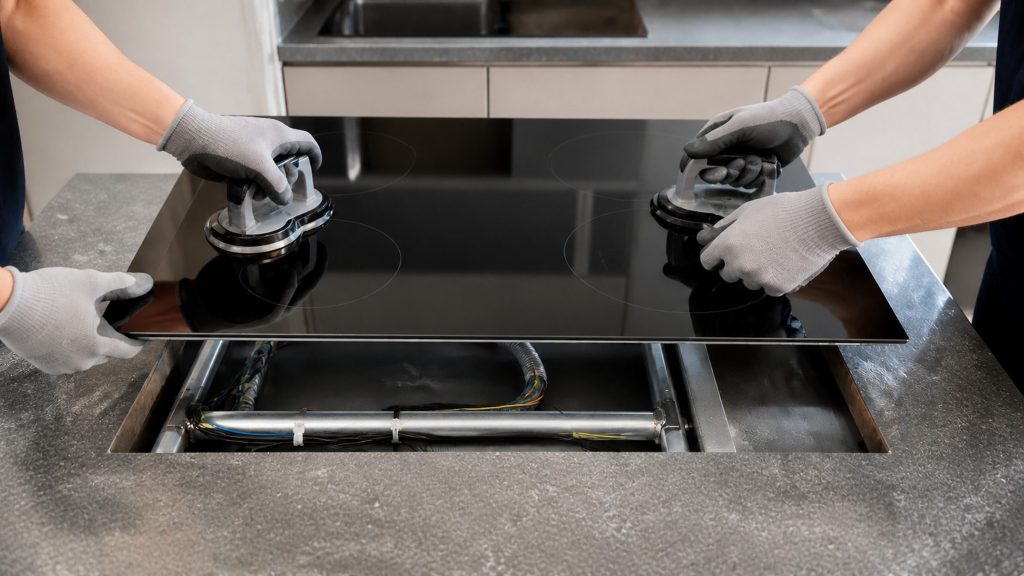
A parts-led figure, and the page says plainly that this is a replacement rather than a repair. Cracked ceramic glass is not repairable at any price, and a cracked top on an induction machine should not be used.
- The glass as a part, on induction and radiant surfaces
- Not repairable — the figure is parts-led
- A cracked induction top should be switched off at the breaker
Questions people ask about this
Why does sugar have to come off hot?
Because sugar cooling on ceramic glass bonds to the surface. When you eventually lift it, it can take a small piece of the glass with it, leaving a pit that never goes away and can become the start of a crack. It is the one exception to letting a cooktop cool first, and it is worth the care it takes.
Is a scraper really safe on the glass?
Held at a shallow angle, yes — it is the tool the surface is designed for. What scratches ceramic glass is rubbing with something gritty over a wide area, not a clean blade lifting residue at a low angle. Use a fresh blade and never one that has been used on anything else.
My controls stopped responding while I was cleaning.
Water on the touch panel. Touch controls read a change in capacitance, and a film of water looks exactly like a finger to them — so the cooktop locks itself rather than doing something random. Dry the panel and they come back. It is a designed behavior.
What about the rings and marks that will not come off?
Most of those are mineral from hard water rather than burnt food, and a cooktop cream removes them where a general cleaner does not. If a mark is under the glass rather than on it, nothing will touch it — that is the printed zone marking or discoloration in the coating.
Can I use oven cleaner on the cooktop?
No. Caustic cleaners attack the printed markings and any trim around the glass, and on a range they will find the brass or anodized parts nearby. There is a purpose-made product for this surface and it costs very little.
Do pans scratch it?
Sliding them does. Cast iron in particular, and any pan with a rough or distorted base. Lift rather than slide, and check the base of a favorite pan occasionally — a base that has become concave rocks on the zone, scratches, and induces less efficiently as well.
Maintenance & Prevention
More guides like this one
-
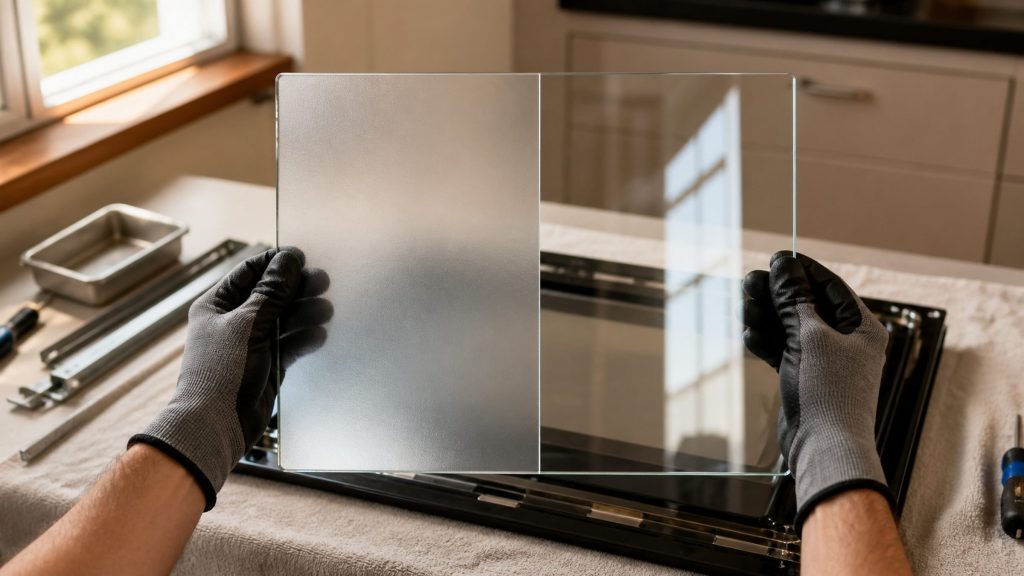
Cleaning Bertazzoni Oven Door Glass — and the Way Round It Goes Back
The maker publishes a warning almost no owner has read: the inner pane is heat-treated on one side and must go back shiny side out, or it absorbs heat and shatters.
Read more -
Cleaning a Bertazzoni Oven Without Costing Yourself a Repair
Cleaning products and the self-clean cycle are the two commonest owner-caused failures on this equipment. Here is what to use, what to keep away, and what a clean cycle does to the rest of the appliance.
Read more -
Clearing a Refrigerator Drain Hole Before It Becomes a Puddle
Water inside the cabinet and water on the floor are the same problem seen from two places, and the fix is ten minutes with warm water rather than a service call.
Read more
Tell us the model number and what it is doing.
This article is based on:
- Official manufacturer documentation
- Internal repair procedures
- Technician repair history
- Company quality standards