Common Problems
Is It Hard to Replace a Range Hood? What the Job Actually Involves
The hanging is the easy part and almost nothing else is. A hood swap is four separate jobs: taking the old unit down, which on an island hood needs two people; matching the new one to the cooking surface, because the maker requires the hood to be the same width as the surface below it and publishes minimum clearances of 17 to 20 inches for an over-the-range microwave hood and 25 and a half to 31 and a half inches for everything else; dealing with the duct, where a new hood with a different outlet size or position means a new transition and sometimes a new run; and the electrical, which is usually straightforward and occasionally is not. Before any of that, though, is the question worth asking first: most hood complaints are not the hood. A capacitor, a speed control, a grease-loaded blower wheel or a seized damper produce a hood that hums, runs slowly or clears nothing, and all four cost a fraction of a replacement.
The full guide
Is it hard to replace a range hood? The hanging is easy. The rest is the job.
A hood swap looks like one task and is four.
Job one: getting the old one down
On a wall hood, straightforward — filters out, a panel off, disconnect, unhook.
On an island hood, this is a two-person job and not negotiable. The unit hangs from the ceiling, there is nothing to rest it on, and a glass canopy or a chimney section weighs more than it looks. People do this alone and drop things onto cooktops.
Job two: matching it to the surface
This is where the maker is unusually firm, and it is worth quoting properly.
The hood must be the same width as the cooking surface below it. Not similar, not close. The maker gives it as a safety, efficiency and regulatory requirement, and the reason is capture area — a hood narrower than the surface cannot catch what happens at the edges of it, so the steam and grease you are trying to remove go past it into the room.
Clearances above the surface are published as well: 17 to 20 inches for an over-the-range microwave hood, and 25½ to 31½ inches for everything else. Always check the specific model's installation manual, because the exact figure inside those bands varies.
Fitting a hood outside its clearance range is one of the few decisions in a kitchen that is both a safety problem and a performance problem at once.
Job three: the duct, which is where projects go wrong
If the new hood's outlet is a different diameter, or in a different place, you need a transition — and a transition made badly costs more airflow than the new hood gained.
Things worth checking before you buy anything:
- What size the existing duct actually is, not what somebody said it was;
- How long the run is and how many elbows are in it — every bend costs you;
- whether any of it is flexible duct that has been crushed behind a cabinet;
- whether the wall or roof cap at the far end still opens.
This is the single most common reason a new hood disappoints its owner. The appliance was never the limit.
Job four: the electrical
Usually the simplest part — an existing circuit, a junction box, and a like-for-like connection. It stops being simple if the new hood draws significantly more, if there is no box where the new unit needs one, or if the old installation was never quite right.
The question that comes before all four
Is the hood actually the problem?
A hood that hums and does not spin is usually a run capacitor. A hood that works on high and not on low is a speed control. A hood that has become loud and slow over a couple of years is a blower wheel loaded with grease and out of balance. A hood that sounds perfectly normal and clears nothing is almost always the duct, the damper or the make-up air.
None of those is a replacement, and all of them cost a fraction of one.
When replacing genuinely is right
- The existing hood is the wrong width for the surface below it and always was;
- it is fitted outside the clearance range;
- the motor housing itself has corroded, which happens on coastal installations;
- you are changing the cooking surface to something with different requirements;
- the hood is recirculating and you now have a duct route — a real upgrade rather than a repair.
What to have ready
The width of your cooking surface. The height from surface to the underside of the current hood. The duct diameter and roughly how the run travels. Whether it ducts outside or recirculates. And a photograph of the hood from below with the filters out, which shows more than a description does.
If it turns out to be a repair
What this leads to, and what it costs
Every job on this site is priced the same way: an on-site diagnostic first, the figure agreed in writing before anybody starts.
-
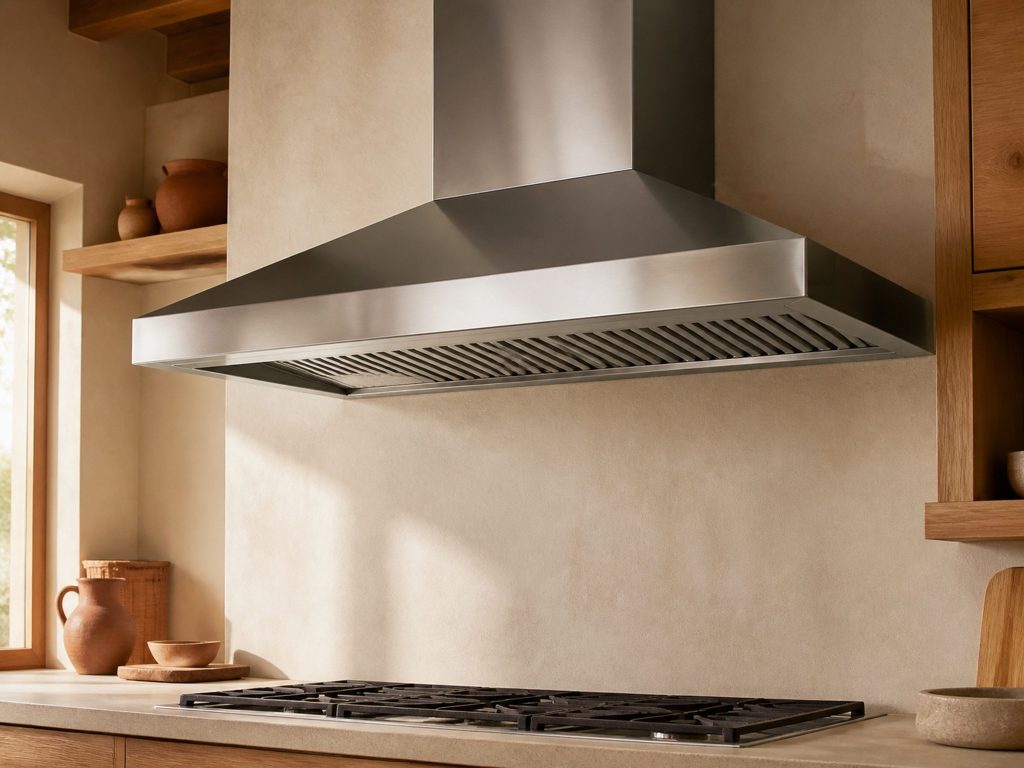
Wall mount · Island · Chimney · Insert · 600 CFM and up · 24" to 48" Range hoods and ventilation
Thirty-seven hoods, which is as many as there are ranges — this maker expects the two to be bought together. Twenty-one are wall mounts, seven chimney hoods, five inserts built into a cabinet, three island hoods hanging over a counter. Nineteen move 600 cubic feet a minute. When one stops pulling, most of the diagnosis is not in the hood.
- A hood that runs but no longer clears the steam
- Lights working, motor silent, or the reverse
- Controls that respond to some presses and not others
-
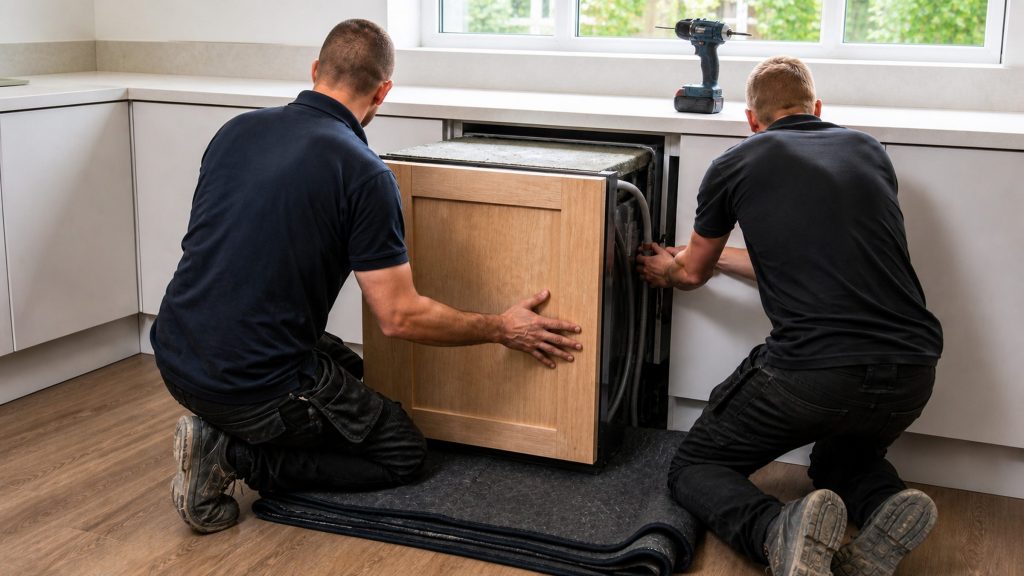
from $175 Appliance installation & refit
Setting a machine back into cabinetry it was taken out of, hanging a custom panel on a column, or putting right an installation that was never quite right. On this make it matters more than most: a great deal of the line is built in, and induction in a sealed island is the commonest self-inflicted failure we see.
- Clearances and ventilation checked against what the appliance actually needs
- Custom panels hung square and aligned to the neighboring cabinetry
- Anti-tip, gas connections and leveling treated as the safety items they are
-
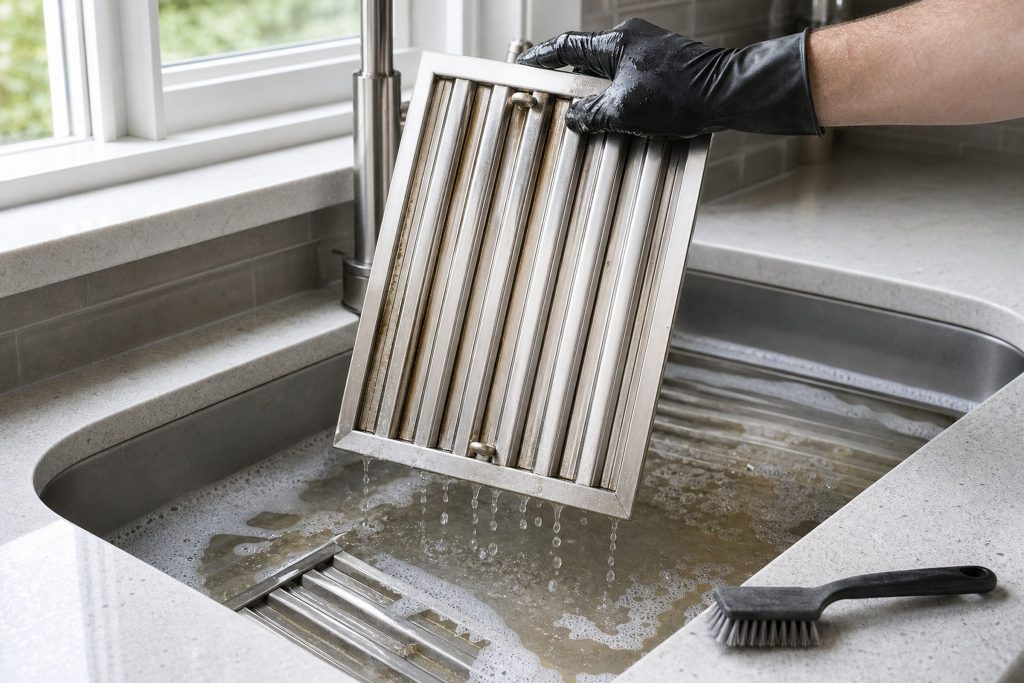
from $145 Range hood ducting & airflow service cost
One of the two cheapest rows on the site, and the one that ends most hood complaints. A real share of these visits finish with nothing fitted at all, because the appliance was never the problem.
- Duct run, transitions, damper, make-up air, filters
- A large share end with no part fitted
- The cheapest honest answer to "it does not clear steam"

Questions people ask about this
Does the hood have to be the same width as the range?
Yes. The maker states it as a safety, efficiency and regulatory requirement rather than a preference: matching the width is what gives the hood the capture area and the airflow to do its job over that surface. A 30-inch hood over a 36-inch rangetop will disappoint you permanently.
How high above the cooktop should it go?
For anything other than an over-the-range microwave hood, 25½ to 31½ inches from the cooking surface. Over-the-range microwave hoods sit lower, at 17 to 20 inches. Always check the installation manual for the specific model, because the range within those bands varies by hood.
Can I reuse the existing ductwork?
Sometimes, and it is the first thing to establish rather than the last. If the new hood's outlet is a different diameter or in a different position, you need a transition — and a badly made transition costs you more airflow than the upgrade gained. This is where hood projects go over budget.
Is it a two-person job?
A wall hood, usually not. An island hood, always: it hangs from the ceiling, it is awkward, and getting it level while supporting the weight is not a solo task. Chimney sections and glass canopies are heavier than they look.
My hood is not clearing steam. Should I just replace it?
Not before somebody has measured the airflow and looked at the duct. A long run, three elbows, a crushed section of flexible duct or a seized damper will defeat any hood you buy, and the new one will disappoint you in exactly the same way. That check is cheap and it decides the whole project.
Can it be converted to recirculate?
On many models yes, with the right charcoal filter accessory — the maker publishes a matrix of which hood takes which. It is worth knowing that a recirculating hood removes grease and odor but not heat or moisture, which changes what you should expect from it.
Common Problems
More guides like this one
-
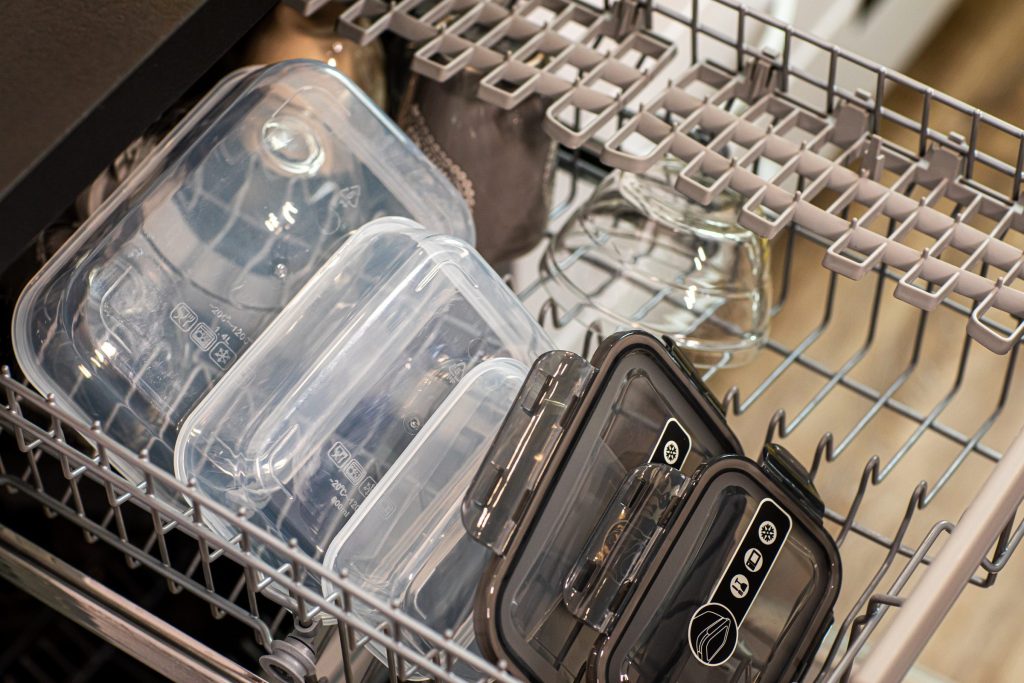
Dishes Come Out Wet: What a Bertazzoni Dishwasher Is Actually Doing
The maker's own answer is rinse aid plus the Extra Dry option, and it is right far more often than a heater problem is. Here is why plastics stay wet on a machine that is working perfectly.
Read more -
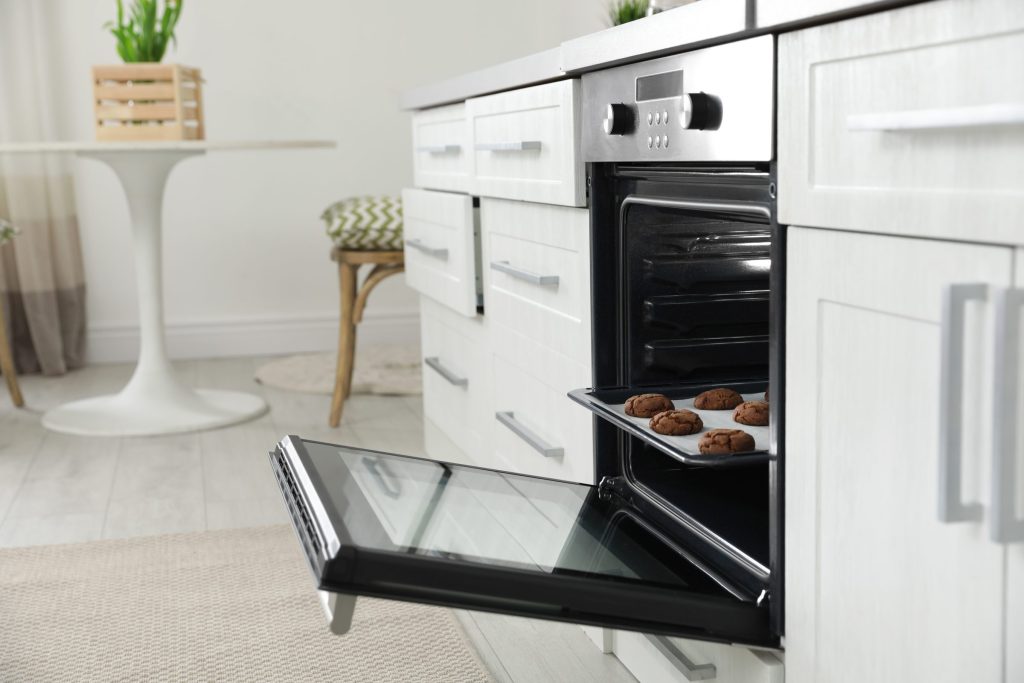
Oven Broils but Will Not Bake: What That Split Tells a Technician
A split problem names the part before anybody arrives. Broil works and bake does not, or the reverse, and either way half the appliance has just been eliminated from the diagnosis.
Read more -
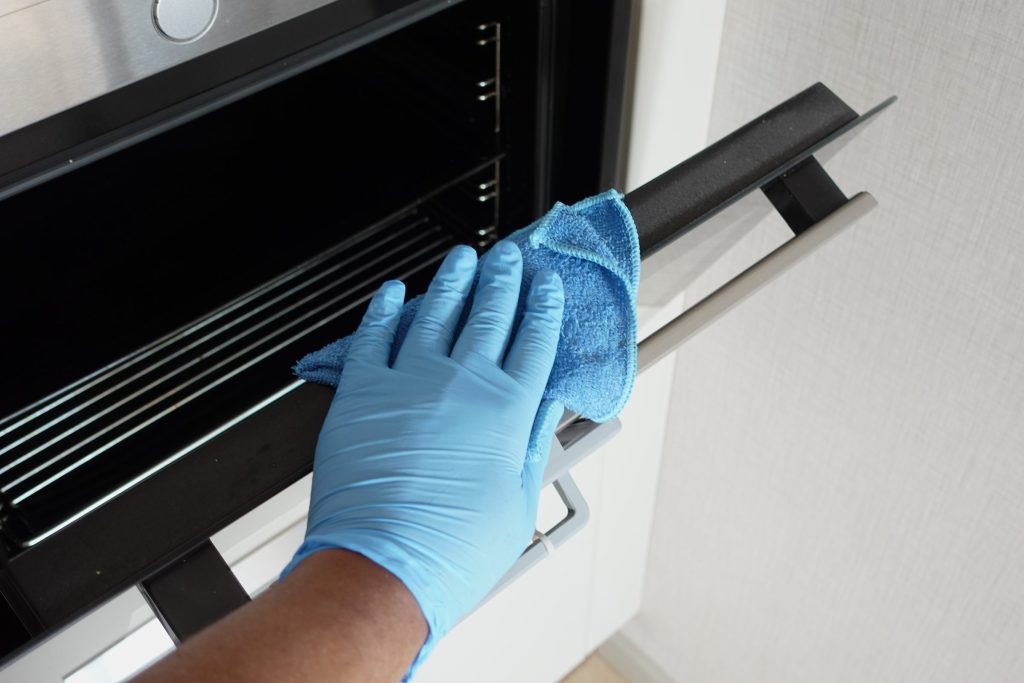
Why a Bertazzoni Oven Keeps Shutting Off, and Which Half of It Is Wrong
An oven that never heats and an oven that heats and then stops are different problems with different parts. On a gas machine the second one is nearly always flame sensing; on the electric half it is a thermal cut-out or a relay.
Read more
Tell us the model number and what it is doing.
This article is based on:
- Official manufacturer documentation
- Internal repair procedures
- Technician repair history
- Company quality standards