Common Problems
Why a Bertazzoni Oven Keeps Shutting Off, and Which Half of It Is Wrong
Time it before you call anybody, because how long it runs is most of the diagnosis. An oven that dies within seconds of you releasing the knob is not shutting off at all — it never really lit, and the problem is the thermocouple or the safety valve that should be holding the gas open. An oven that runs for twenty or thirty minutes and then stops is thermal: something has reached a temperature it will not accept and has cut the heat to protect the appliance, and the usual causes are a cooling fan that is no longer moving air, a blocked vent path, or a thermal cut-out that has aged and now trips early. An oven that stops at random with no pattern, sometimes cold and sometimes hot, is electrical rather than thermal — a relay on the control board, or a connection behind the panel that has cooked. On a dual-fuel machine only the electric cavity behaves this way; a gas cavity on the same appliance is a separate system with a separate error list.
The full guide
Why does my Bertazzoni oven keep shutting off? Time it first
Before anything else, time it twice and write the number down. On this equipment there is no code to read, so the interval between switching on and shutting off is the closest thing to a diagnosis you have.
Three intervals, three different problems.
Seconds: it never actually lit
If the oven dies within a few seconds of you releasing the knob, it is not shutting off. It never got past the safety circuit.
Every gas burner here has a thermocouple whose job is to prove there is a flame. Until it is hot, the gas valve will not stay open. An oven lit at a low setting, or released after two seconds instead of five, goes out every time — and so does an oven whose thermocouple has aged past the point of doing its job.
The way to tell those apart is to light it at full maximum and hold the knob for a genuine five seconds. If it holds, that was technique. If it still dies, the part has failed.
Twenty to thirty minutes: thermal
A repeatable interval means heat is accumulating somewhere it should not.
Three causes, cheapest first:
The cooling path. These ovens move air to keep the surrounding cabinetry and their own electronics within limits. On a counter-depth built-in, the maker vents that warm air through the gap above the oven door — which is normal and startles people. If anything has been stored against the appliance, or a cabinet has been built up around it since installation, that path is compromised and the oven will reach its limit.
The cooling fan. It exists, it runs on after you switch the oven off — also by design, also normal — and it can fail. When it does, the symptom is exactly this.
The thermal cut-out itself. These age. A cut-out that has been through several self-clean cycles trips earlier than it did when new, and eventually trips during ordinary cooking. It is an inexpensive part; reaching it is the work.
No pattern at all: electrical
An oven that stops after four minutes one day and ninety the next is not thermal. Heat does not behave that way.
That leaves a relay on the control board — the switch that actually connects the heating circuit — or a connection behind the panel that has been through enough heat cycles to become intermittent. Both present identically from the front, and both are found by measurement rather than by inspection.
This is the point at which somebody will offer to sell you a control board. Ask what was measured. On this make there is no code to justify one, so the justification has to be a reading.
The dual-fuel exception
Eleven machines in this line are dual-fuel: gas on top, electric in the cavity.
On those, an oven that shuts off is entirely an electric problem — element, sensor, relay, cut-out — and none of the gas reasoning on this page applies to it. The burners above it are a separate system with a separate list. It is worth saying which you have when you book, because it changes what travels on the van.
What to have ready
The model number from behind the kick panel. The interval, timed. Whether it is bake, broil or convection. Whether anything changed recently — a self-clean cycle, a power cut, a new cabinet. And whether the display and light stay on when the heat stops, because that one observation separates a supply problem from a relay.
If it turns out to be a repair
What this leads to, and what it costs
Every job on this site is priced the same way: an on-site diagnostic first, the figure agreed in writing before anybody starts.
-
Which mode fails tells you the part Oven not heating
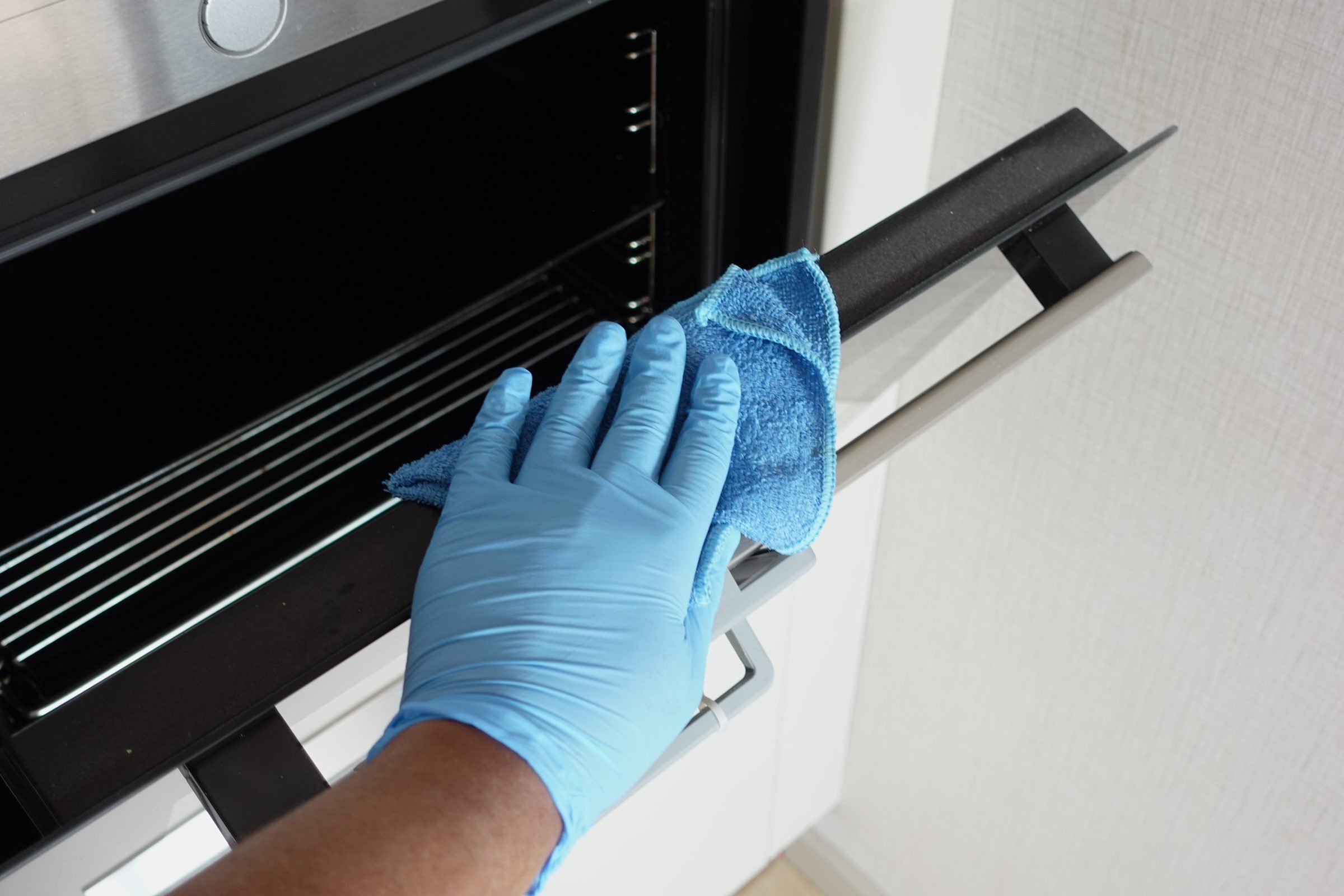
An oven that sets a temperature and stays cold, or heats on one mode and not another. There is no code to read on this make, and there does not need to be: trying each mode before you call halves the diagnosis for nothing.
- Sets a temperature and stays cold
- Broils but will not bake
- A gas oven that glows and never lights
-
from $195 Gas oven ignition & safety valve repair
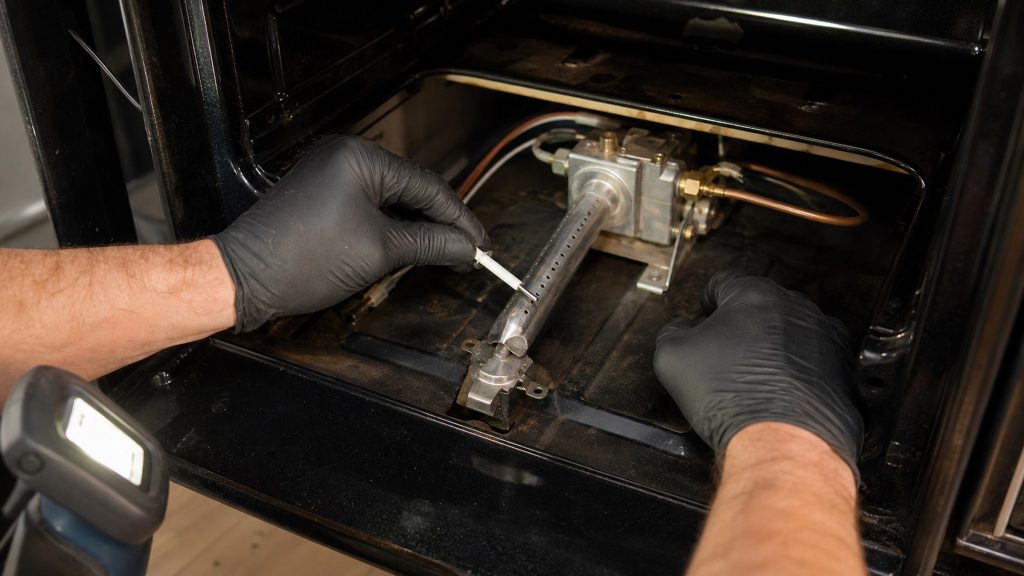
Eleven of these ranges are all gas, which means the oven is a burner too. A gas oven that will not heat is almost never the control and almost always the igniter and the safety valve working as a pair — and it is a repair that has to be done in the right order to be done safely.
- Igniter current measured under load, not judged by whether it glows
- The safety valve treated as half of the same circuit
- A full cycle watched from cold before we leave
-
from $215 Oven control & display repair
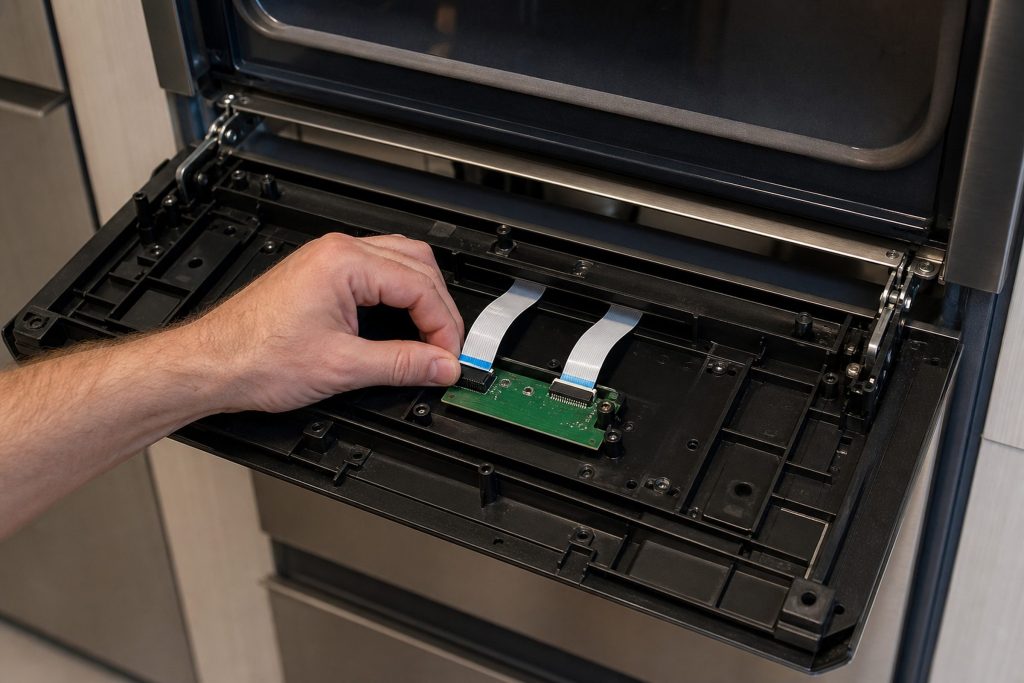
A display that has gone blank or half-lit, a touch panel that ignores half its pads, a clock that resets itself, an oven that will not accept a program. These are the electronics rather than the cooking, and the first job is to establish which of two boards it is — because they are different parts at different prices.
- The display board and the power board separated before anything is ordered
- Supply and connections checked first, because they mimic a failed board
- The oven programmed and run through a full cycle afterwards
Questions people ask about this
It shuts off after about half an hour, every time.
That regularity is the most useful thing you can report. A repeatable time means thermal, because heat accumulates at a predictable rate. Look at whether the cooling fan is still running — on most of these it should be audible with the oven up to temperature — and at whether anything has been stored against the appliance or its vent since it last worked properly.
Does the self-clean cycle have anything to do with it?
Frequently. A clean cycle runs the cavity far hotter than cooking ever does, and thermal cut-outs, locks and controls fail during or just after one more often than at any other time. If your oven started doing this after a clean cycle, say so when you book — it points straight at the cut-out and saves the first half of the diagnosis.
The oven light and the display stay on. Does that rule out power?
It rules out the supply to the appliance, which is worth knowing. It does not rule out a relay on the control board, because the heating circuit is switched separately from the lighting and display. A machine that looks entirely alive while producing no heat is a normal presentation of a relay problem.
Could it be the door?
It can contribute. A door that no longer seals lets heat out at the top and can make the cooling system work harder than it was designed to, which brings a marginal thermal cut-out to its limit sooner. It is rarely the whole story on its own, but it is cheap to check and cheap to fix.
It only happens with the convection fan on.
Then the convection element or its own limit is the first suspect rather than the bake circuit. Convection adds a second heat source and a fan, and a problem in either shows up only when that mode is selected. That is a genuinely narrowing observation.
Is it safe to keep using it?
An oven that is shutting itself off is doing what it is designed to do, so it is protecting you rather than endangering you. What is not safe is defeating it — if somebody suggests bypassing a thermal cut-out to keep the oven usable, that is the one repair we will refuse.
Common Problems
More guides like this one
-
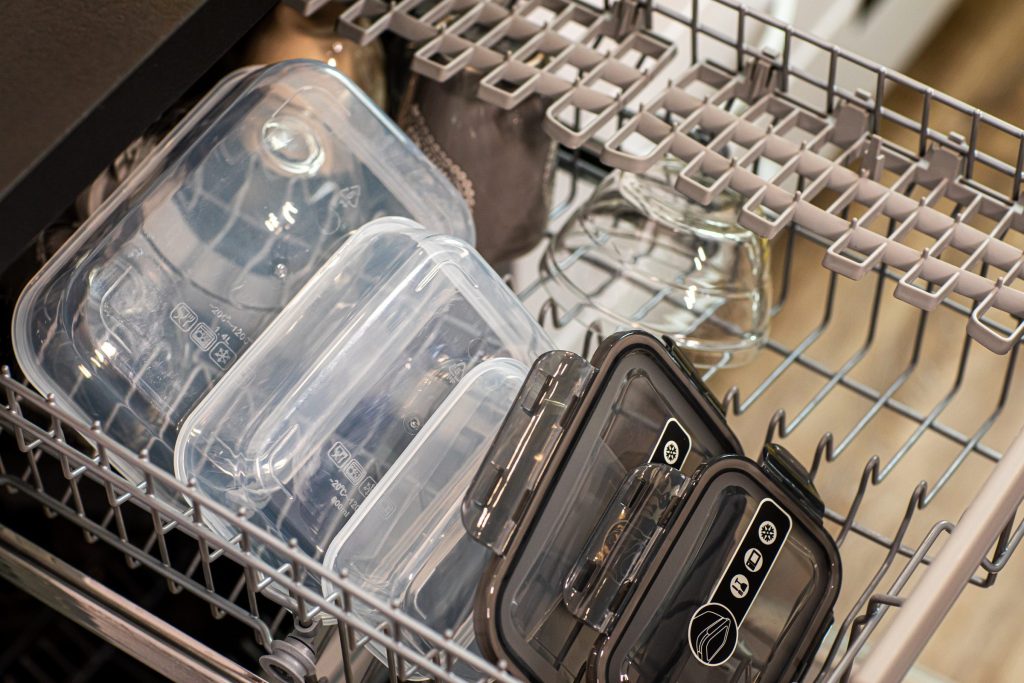
Dishes Come Out Wet: What a Bertazzoni Dishwasher Is Actually Doing
The maker's own answer is rinse aid plus the Extra Dry option, and it is right far more often than a heater problem is. Here is why plastics stay wet on a machine that is working perfectly.
Read more -
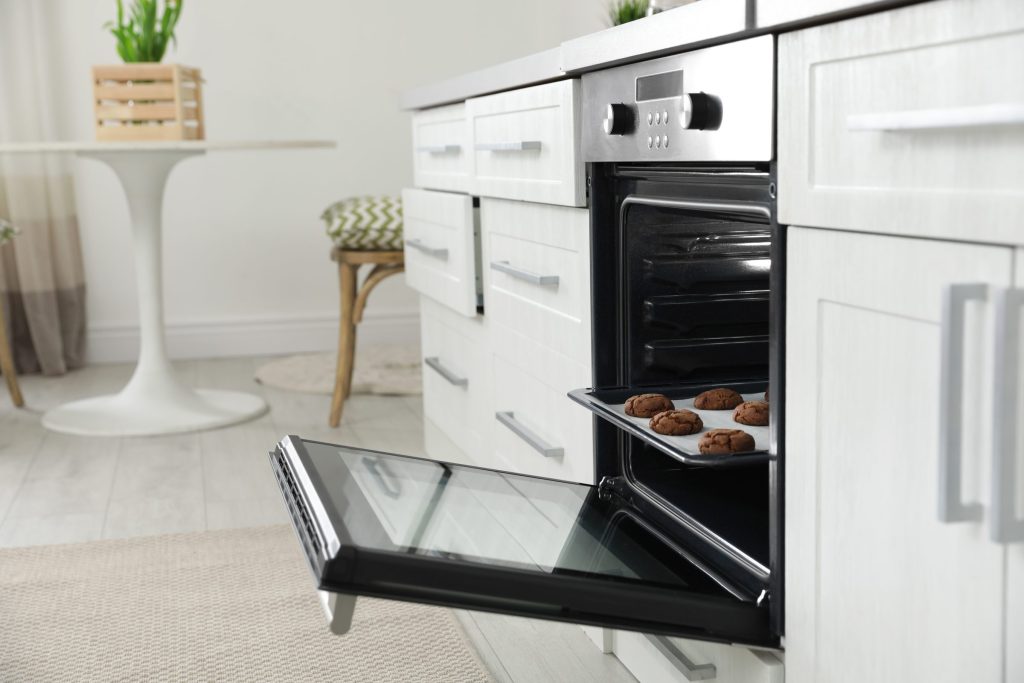
Oven Broils but Will Not Bake: What That Split Tells a Technician
A split problem names the part before anybody arrives. Broil works and bake does not, or the reverse, and either way half the appliance has just been eliminated from the diagnosis.
Read more -
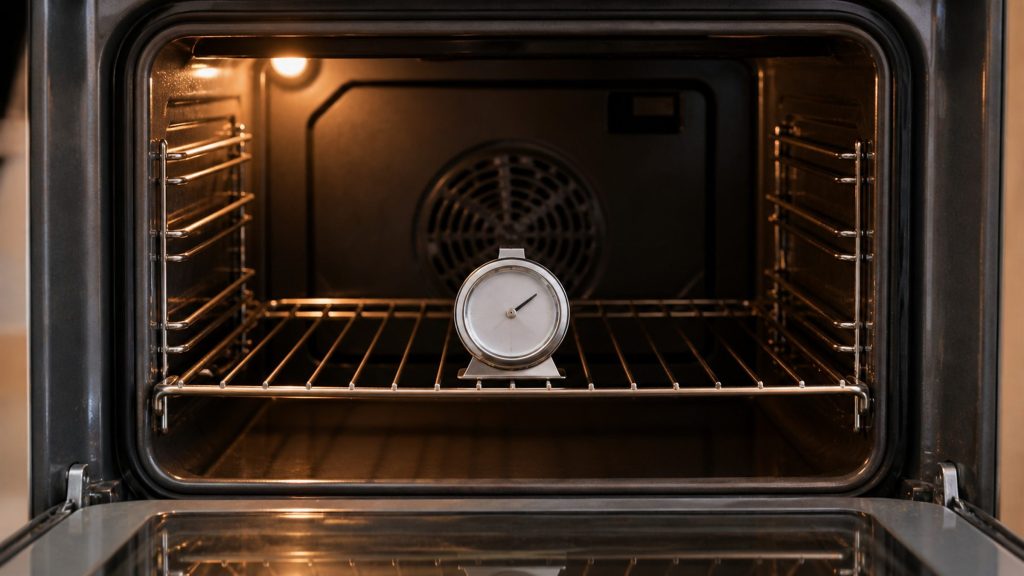
Reading the Analog Temperature Gauge on a Bertazzoni Range
The maker says plainly that the gauge is a reference point rather than a measurement. Owners read the gauge, see a gap, and book a calibration call. Here is what the gap means and where a real problem starts.
Read more
Tell us the model number and what it is doing.
This article is based on:
- Official manufacturer documentation
- Internal repair procedures
- Technician repair history
- Company quality standards