Common Problems
How Long a Bertazzoni Oven Takes to Preheat, and When Slow Means Something
Ten to fifteen minutes to 350°F is normal for these ovens, and fifteen to twenty to 450°F. A gas cavity is usually at the quicker end and a large electric cavity at the slower one, and both take longer with a full rack of cold trays in them. What matters far more than the exact number is whether it has changed: an oven that used to signal in twelve minutes and now takes twenty-five is telling you that its ignition or its element is drifting, and that is months of warning before it stops altogether. The other thing worth knowing is that the preheat signal is measuring air, not the oven. The walls and the racks are still catching up when it sounds, which is why bread and pizza in particular want another ten minutes and a stone or a heavy tray wants twenty. If yours is slow and always has been, that is not a problem; if yours is slow and did not use to be, book it before it becomes a cold oven on a Sunday.
The full guide
How long does it take to preheat a Bertazzoni oven? Ten to fifteen minutes, and the number matters less than the trend
350°F in ten to fifteen minutes. 450°F in fifteen to twenty. A gas cavity tends to the quick end of that, a large electric cavity to the slow end, and a rack full of cold trays adds to both.
Those are the numbers. The useful part of this page is what to do with them.
The signal is measuring air, not your oven
When the tone sounds, the air in the cavity has reached temperature. The walls, the racks and anything you left in there have not.
For a casserole in a dish this is irrelevant — the dish will come up with everything else. For bread, pizza, pastry, anything that meets a hot surface, it matters a great deal: a stone or a heavy tray is twenty to thirty minutes behind the air, and a loaf that goes in at the tone lands on something cooler than the recipe assumed.
The practical rule: for anything baked on a surface, wait ten minutes past the signal. For a stone, wait twenty.
On the ranges: the gauge is a reference, not an instrument
Several ranges in this line carry an analog temperature gauge on the door, and it causes more confusion than anything else on the appliance.
The maker is direct about it: the gauge is best used as a reference point for understanding when the oven has arrived and when it has cooled, and you should cook to the temperature set on the thermostat knob. It is not a laboratory instrument and it is not meant to agree exactly with the setting.
That is worth knowing before you spend an afternoon convinced the oven is fifty degrees out.
Slower than it was: the warning almost nobody reads
This is the part of the page that saves money.
A gas oven's ignitor is also the current-sensing element in its safety circuit. As it ages its resistance rises and the current through it falls, and the valve takes longer and longer to open. What you experience is not a failure — it is a preheat that has gone from twelve minutes to sixteen, then to twenty-two, over a period of months.
Then one Sunday it does not light at all.
If your oven has become noticeably slower to preheat and nothing else has changed, that is the appointment to book. The part is inexpensive. Booking it in advance is the difference between a scheduled visit and a cold oven with people arriving.
Things that are slow and are not problems
A cold kitchen with the air conditioning running hard. Marginal, but real in a house that keeps the kitchen at 68°F.
A full oven. Trays, stones and pans are mass, and mass takes heat.
A door opened during preheat. The air recovers fast and the walls do not.
A new appliance. The first few uses of any oven produce smells and slightly odd behavior as manufacturing residue burns off. That settles.
What to have ready if you do call
Two timed preheats to 350°F, taken on different days. What the time used to be, if you know. Whether it is gas or dual-fuel. And whether the oven eventually gets there or gives up, because an oven that arrives slowly and an oven that never arrives are two different repairs.
If it turns out to be a repair
What this leads to, and what it costs
Every job on this site is priced the same way: an on-site diagnostic first, the figure agreed in writing before anybody starts.
-
Which mode fails tells you the part Oven not heating
An oven that sets a temperature and stays cold, or heats on one mode and not another. There is no code to read on this make, and there does not need to be: trying each mode before you call halves the diagnosis for nothing.
- Sets a temperature and stays cold
- Broils but will not bake
- A gas oven that glows and never lights
-
from $195 Gas oven ignition & safety valve repair
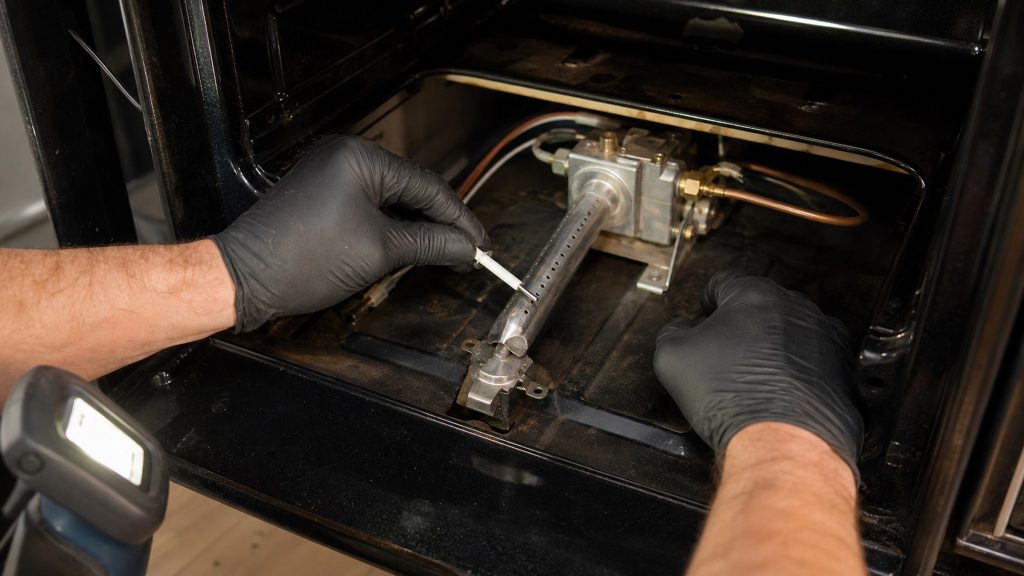
Eleven of these ranges are all gas, which means the oven is a burner too. A gas oven that will not heat is almost never the control and almost always the igniter and the safety valve working as a pair — and it is a repair that has to be done in the right order to be done safely.
- Igniter current measured under load, not judged by whether it glows
- The safety valve treated as half of the same circuit
- A full cycle watched from cold before we leave
Questions people ask about this
How do I know when a Bertazzoni oven is preheated?
The oven signals it, and on the built-in ovens that is a tone and a change on the display. On the ranges with an analog gauge, the needle arriving at your set temperature is the equivalent. Either way, treat it as the moment the air arrived rather than the moment the oven is ready — for anything baked on a surface rather than in a tin, give it another ten minutes.
Mine takes twenty-five minutes. Is that a problem?
If it always has, probably not — a large cavity, a cold kitchen and a full rack of trays add up. If it used to take twelve, yes. That change is the single most useful piece of evidence a gas oven produces, because ignition systems fail gradually and this is the first symptom.
Why do recipes tell me to preheat longer than the oven does?
Because the recipe is thinking about the stone or the tray and the oven is thinking about the air. Air heats in minutes; a cast-iron pan or a baking stone takes twenty to thirty. Bread, pizza and pastry all care about surface temperature at the moment they go in, which is why they suffer most from a preheat that stopped when the tone sounded.
Does opening the door during preheat matter?
It resets more than you would expect. Air leaves in seconds and the oven simply reheats it, so the signal comes back quickly — but the walls lost heat too and they recover slowly. If you have opened the door, add five minutes past the second signal.
Is convection faster?
It is more even rather than dramatically faster, and on some machines the preheat is actually a little slower because the fan is moving heat into the mass of the oven rather than letting it sit in the air. What convection changes is how the food cooks once you are up to temperature.
The oven says it is at 400 and my thermometer says 350.
Check where the thermometer is. Hanging from a rack in the middle it should be close; sitting on the floor of the cavity or pushed against a wall it will not be. If it is properly placed and the gap is fifty degrees or more, that is a calibration or sensor problem rather than a preheat one.
Common Problems
More guides like this one
-
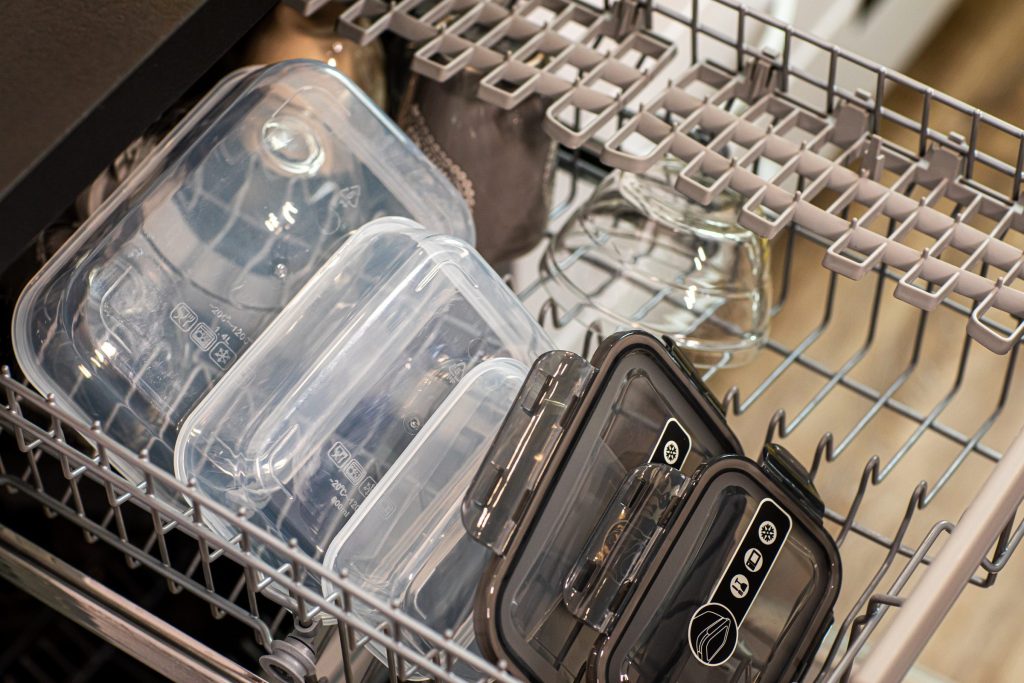
Dishes Come Out Wet: What a Bertazzoni Dishwasher Is Actually Doing
The maker's own answer is rinse aid plus the Extra Dry option, and it is right far more often than a heater problem is. Here is why plastics stay wet on a machine that is working perfectly.
Read more -
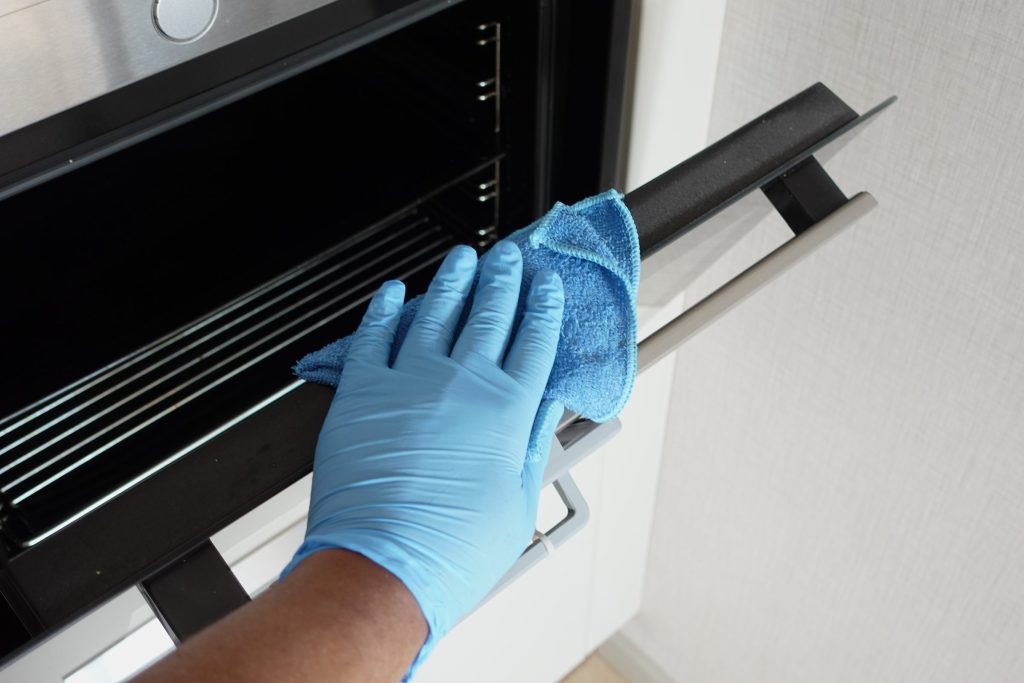
Why a Bertazzoni Oven Keeps Shutting Off, and Which Half of It Is Wrong
An oven that never heats and an oven that heats and then stops are different problems with different parts. On a gas machine the second one is nearly always flame sensing; on the electric half it is a thermal cut-out or a relay.
Read more -
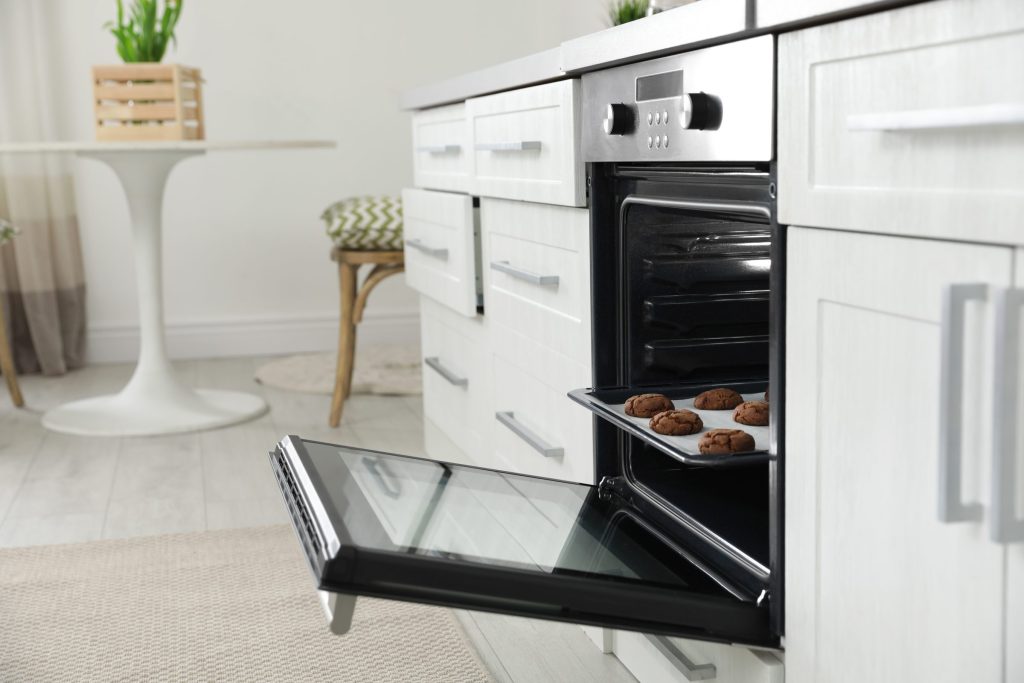
Oven Broils but Will Not Bake: What That Split Tells a Technician
A split problem names the part before anybody arrives. Broil works and bake does not, or the reverse, and either way half the appliance has just been eliminated from the diagnosis.
Read more
Tell us the model number and what it is doing.
This article is based on:
- Official manufacturer documentation
- Internal repair procedures
- Technician repair history
- Company quality standards